Introduction
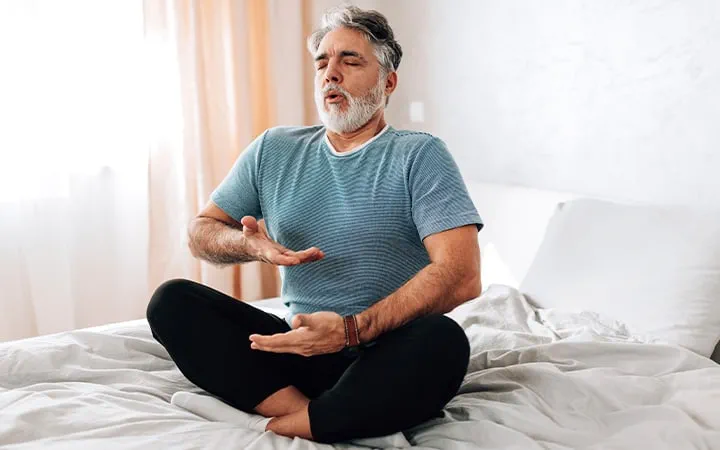
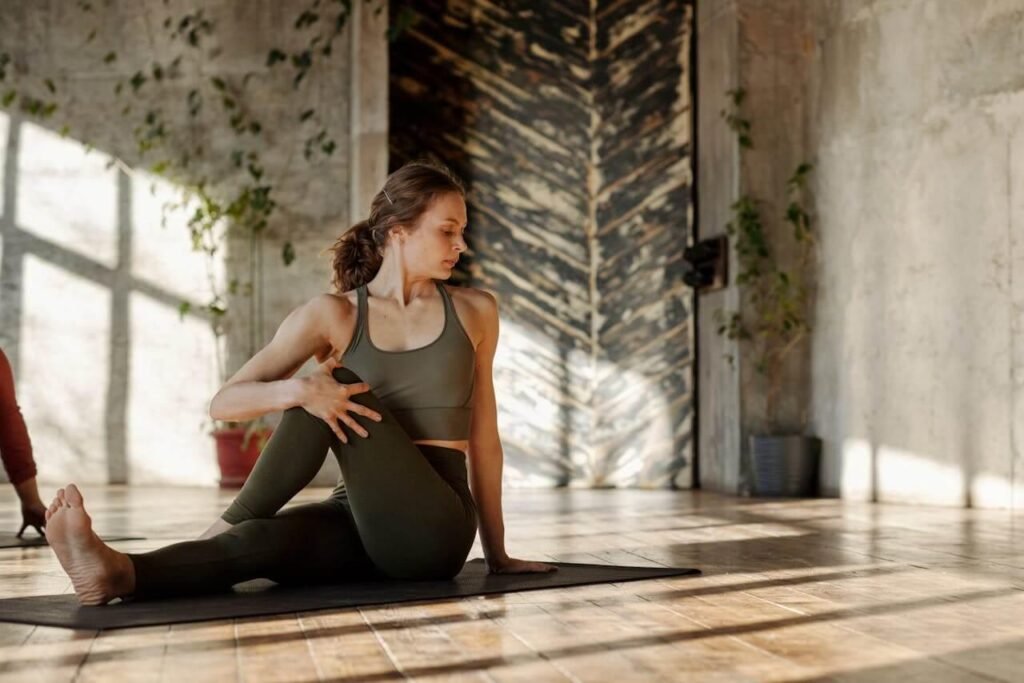
Stretching daily is a simple yet powerful habit that plays a crucial role in maintaining a healthy and injury-free body. When muscles and joints are regularly stretched, they become more flexible, allowing the body to move more efficiently and safely. Tight muscles are one of the main causes of strains, sprains, and other common injuries—especially during physical activities or sudden movements. It also reduces stiffness and increases the range of motion in joints, making everyday tasks and exercise easier to perform. Whether you are an athlete or someone with a regular routine, incorporating stretching into your daily life can significantly lower the risk of injuries and improve overall physical performance.
Stretching Daily for Injury Prevention: A Simple Habit That Protects Your Body
Stretching daily for injury prevention is one of the easiest and most effective habits to keep your body safe and flexible. Many injuries happen due to tight muscles and lack of movement, but regular stretching can help prevent these problems naturally. stretching. Whether you are a student, office worker, athlete, or someone with a busy routine, your body constantly goes through physical stress. Sitting for long hours, poor posture, and lack of movement slowly make your muscles tight and weak.The good news is that stretching is simple, free, and requires very little time. When done consistently, it becomes a powerful tool to keep your body strong, flexible, and injury-free.
Stretching Daily for Injury Prevention: Understanding How Injuries Happen
Before understanding how stretching prevents injuries, it is important to understand why injuries happen in the first place. Most injuries occur when muscles are tight, weak, or suddenly forced into movement without preparation. When muscles lack flexibility, they cannot handle sudden stress, leading to strains, tears, or joint issues.For example, if someone suddenly runs or lifts heavy weight without warming up, their muscles may not be ready for the load. Similarly, people who sit for long hours develop tight hip flexors, weak back muscles, and poor posture, all of which contribute to pain and injury over time.Stretching prepares your muscles and joints for movement. It improves elasticity, allowing your body to move smoothly and safely.
What Happens to Your Body When You Practice Stretching Daily for Injury Prevention
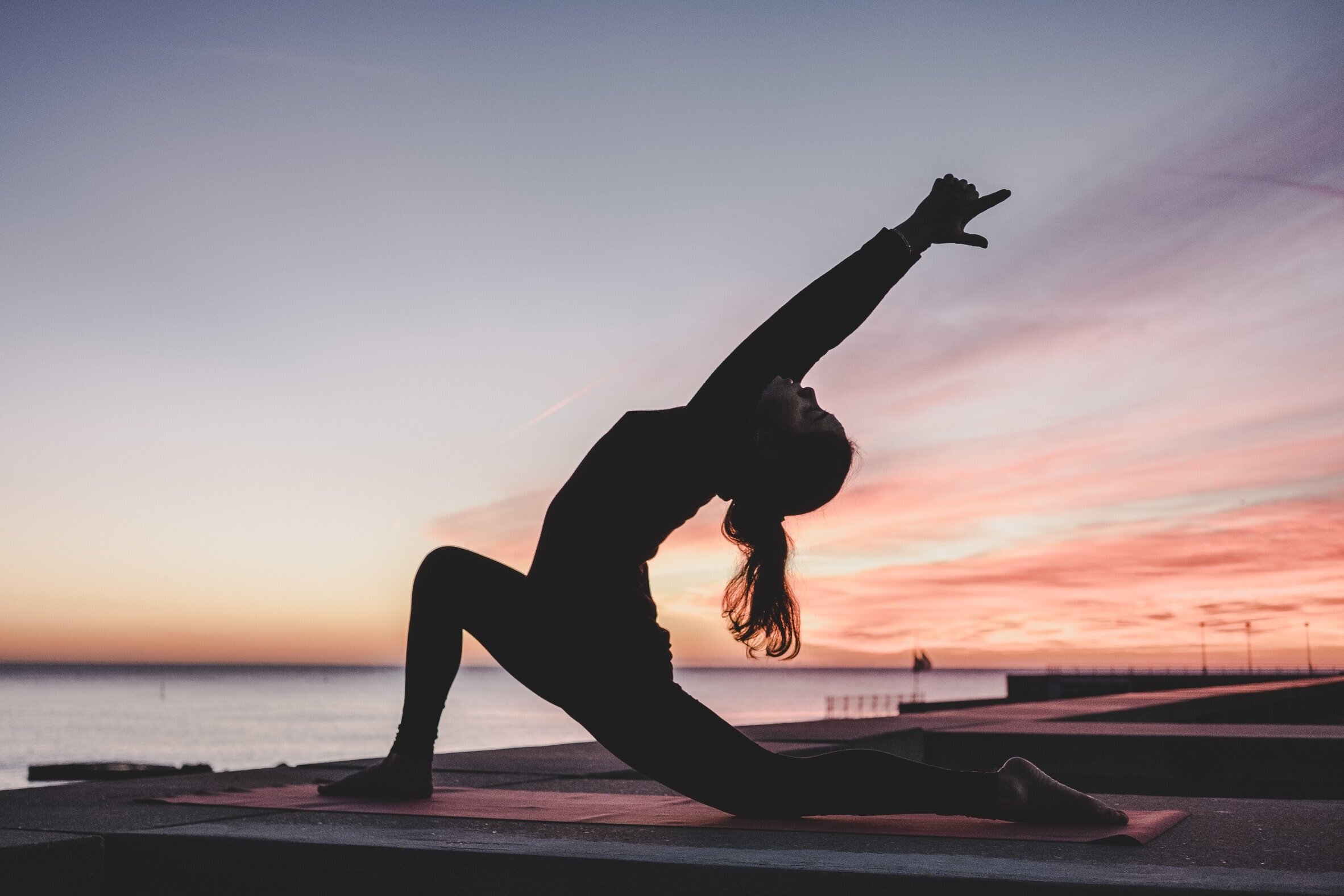
When you stretch regularly, your muscles become more flexible and adaptable. Stretching increases blood flow to the muscles, delivering oxygen and nutrients that help them function better. It also reduces muscle stiffness, making movement easier and more efficient.Over time, daily stretching improves your range of motion, which means your joints can move more freely without resistance. This reduces strain on your body and lowers the chances of injury during physical activity.Another important benefit is improved body awareness. When you stretch, you become more aware of how your body feels, helping you avoid movements that could cause harm.
Stretching Daily for Injury Prevention and Flexibility Connection
Flexibility plays a crucial role in injury prevention. When your muscles are flexible, they can absorb shock better and adapt to sudden movements. This is especially important for people who exercise regularly or play sports.Daily stretching keeps your muscles balanced and ensures that your body moves efficiently. It acts as a protective layer, reducing the chances of sudden injuries.Without flexibility, even simple activities like bending, lifting, or walking can put unnecessary stress on your body. Tight muscles restrict movement, forcing other parts of the body to compensate, which increases the risk of injury.
Stretching Daily for Injury Prevention for Sedentary Lifestyle
In modern life, many people spend long hours sitting—whether at work, studying, or using mobile devices. This sedentary lifestyle leads to muscle tightness, especially in the neck, shoulders, hips, and lower back.Daily stretching helps counter the negative effects of prolonged sitting. It relaxes tight muscles, improves posture, and reduces discomfort. Over time, this reduces the risk of chronic pain and injuries related to poor posture.Taking short breaks to stretch during the day can make a significant difference in how your body feels and functions.
Mental Benefits of Stretching
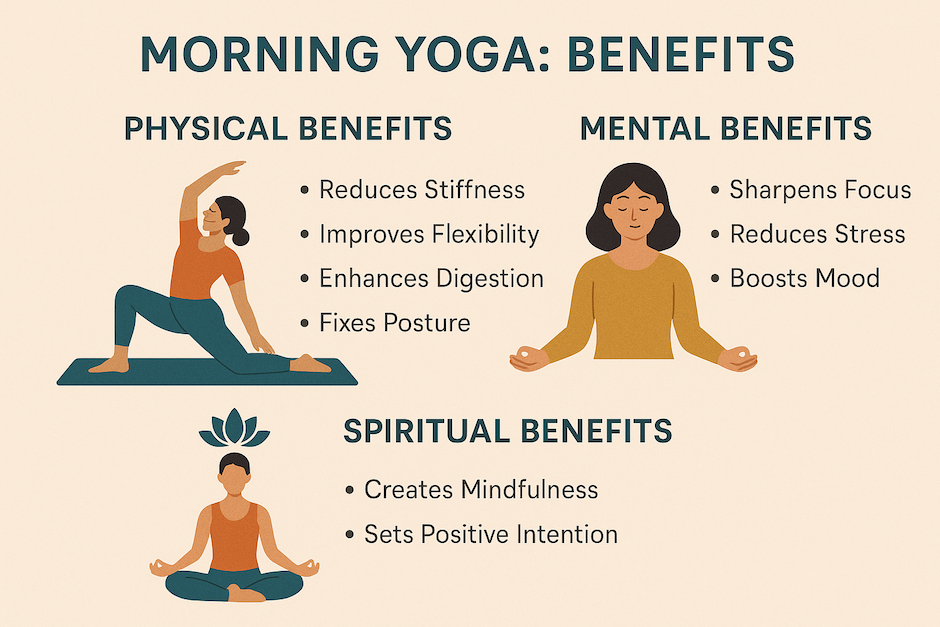
Stretching is not only beneficial for the body but also for the mind. When you stretch, your body releases tension and stress, creating a sense of relaxation. This helps improve focus, reduce anxiety, and promote mental clarity.A relaxed body leads to better coordination and movement, which further reduces the risk of injury. When your mind and body are in sync, you are less likely to make sudden or careless movements that can cause harm.
Best Time to Stretch for Maximum Benefits
Stretching can be done at different times of the day, depending on your routine. Morning stretching helps wake up your body, improve circulation, and prepare you for the day ahead. It reduces stiffness and increases energy levels.Stretching before exercise prepares your muscles for activity, while stretching after exercise helps in recovery and reduces soreness. Evening stretching, on the other hand, helps relax your body and improve sleep quality.The key is consistency rather than timing. Even a few minutes daily can bring long-term benefits.
Common Mistakes That Lead to Injuries
While stretching is beneficial, doing it incorrectly can lead to injuries. Many people stretch too aggressively, bounce while stretching, or ignore proper form. These mistakes can cause muscle strain instead of preventing it.It is important to stretch gently and listen to your body. Stretching should create a feeling of tension but not pain. Proper technique and consistency are key to getting the full benefits without risk.
Building a Daily Stretching Routine
Creating a daily stretching routine does not require much time or effort. Even 10–15 minutes a day is enough to improve flexibility and protect your body from injuries.Start with simple stretches targeting major muscle groups like the neck, shoulders, back, legs, and hips. Over time, your body will become more flexible, and stretching will feel more natural.Consistency is more important than intensity. Making stretching a daily habit ensures long-term benefits and injury prevention.

Long-Term Benefits of Daily Stretching
When practiced regularly, stretching improves overall physical performance, reduces muscle tension, and enhances posture. It allows your body to move freely and efficiently, reducing wear and tear on joints and muscles.In the long run, daily stretching helps you stay active, reduces the risk of chronic pain, and improves your quality of life. It is a simple habit with powerful results.
Frequently Asked Questions (FAQs)
1. Why is stretching daily important for injury prevention?
Daily stretching keeps muscles flexible and joints mobile, reducing the risk of strains, sprains, and other injuries caused by tight or stiff muscles.
2. How does stretching help prevent injuries?
Stretching improves muscle elasticity, increases blood flow, and prepares the body for movement, making it less likely to get injured during physical activity.
3. How long should I stretch each day?
You can benefit from just 10–15 minutes of daily stretching. Consistency matters more than duration.
4. Is stretching necessary even if I don’t exercise?
Yes, stretching is important for everyone. Even if you don’t exercise, it helps reduce stiffness, improve posture, and prevent injuries from daily activities.
5. What is the best time to stretch?
You can stretch:
- In the morning to reduce stiffness
- Before exercise to prepare muscles
- After exercise to improve recovery
- In the evening to relax the body
6. Can stretching reduce muscle pain?
Yes, regular stretching helps reduce muscle tension and soreness by improving blood circulation and flexibility.
7. Does stretching improve flexibility?
Yes, daily stretching gradually increases flexibility, allowing your body to move more freely and efficiently.
8. Can stretching help with posture?
Absolutely. Stretching tight muscles and strengthening weak ones improves posture and reduces the risk of back and neck pain.
9. Is stretching safe for beginners?
Yes, stretching is safe if done gently and correctly. Avoid pushing too hard and always listen to your body.
10. What are common mistakes people make while stretching?
Common mistakes include:
- Stretching too aggressively
- Bouncing during stretches
- Holding breath
- Ignoring proper form
11. Can stretching help people with a sedentary lifestyle?
Yes, stretching is especially important for people who sit for long hours. It reduces stiffness, improves circulation, and prevents posture-related injuries.
Final Thoughts: Protect Your Body with Simple Daily Stretching
Daily stretching is one of the easiest and most effective ways to prevent injuries. It does not require expensive equipment, special skills, or extra time. All it takes is consistency and awareness.When you take a few minutes each day to stretch, you are investing in your long-term health. Your body becomes stronger, more flexible, and better prepared for everyday challenges.Start today, stay consistent, and let your body thank you with strength, flexibility, and injury-free movement.
for more click here…