Introduction
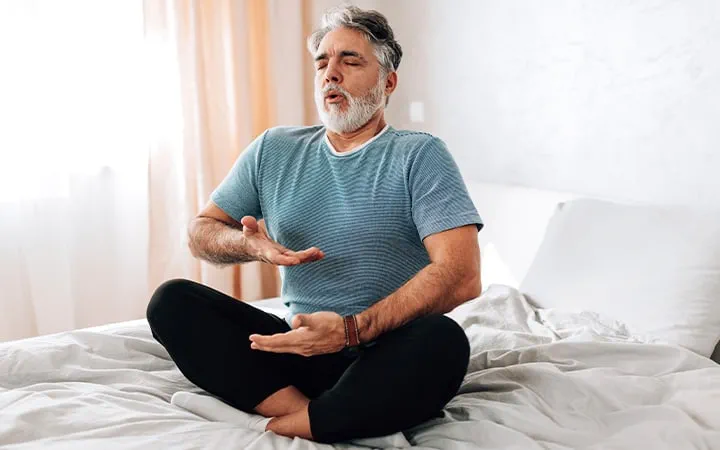
Back pain treatment helps millions of people manage discomfort, restore mobility, and improve their quality of life. Back pain can result from muscle strain, poor posture, injuries, herniated discs, arthritis, or underlying medical conditions. Effective treatment depends on identifying the root cause and combining appropriate therapies such as physical rehabilitation, medications, lifestyle modifications, exercise, and preventive care. Early intervention often reduces complications while promoting faster recovery. Whether experiencing acute or chronic discomfort, choosing the right back pain treatment plan can relieve symptoms, strengthen spinal health, prevent future injuries, and help individuals return to their normal daily activities safely and confidently.
Understanding Common Causes Behind Persistent Back Pain
Successful back pain treatment begins with identifying the underlying cause of discomfort rather than simply managing symptoms. Common causes include muscle strain, poor posture, spinal arthritis, herniated discs, osteoporosis, sports injuries, obesity, repetitive lifting, and prolonged sitting. Each condition requires a different treatment approach for optimal recovery. Proper diagnosis helps healthcare professionals recommend effective therapies while preventing complications. Understanding the source of pain improves treatment accuracy, supports faster healing, reduces recurring symptoms, strengthens long-term spinal health, and enhances overall quality of life.
Recognizing Early Symptoms Before Pain Becomes Severe
Early recognition plays a vital role in effective back pain treatment because prompt care can prevent worsening symptoms and long-term complications. Common warning signs include persistent aching, muscle stiffness, limited flexibility, sharp pain during movement, numbness, tingling sensations, and pain radiating into the legs. Seeking medical evaluation when symptoms first appear allows earlier intervention and personalized care. Timely treatment improves recovery outcomes, minimizes chronic pain risks, supports mobility, enhances physical function, and promotes long-term spinal wellness.
Accurate Medical Diagnosis Supports Effective Treatment Planning Successfully
An accurate diagnosis is the foundation of successful back pain treatment because different spinal conditions require different therapies. Healthcare providers review medical history, perform physical examinations, evaluate posture, and may recommend imaging tests such as X-rays, MRI scans, or CT scans when necessary. Comprehensive evaluation identifies the exact cause of pain and guides personalized treatment plans. Proper diagnosis improves therapeutic effectiveness, prevents unnecessary procedures, supports faster recovery, reduces complications, enhances patient confidence, and promotes better long-term health.
Lifestyle Habits Strongly Influence Long-Term Back Health Outcomes
Daily habits significantly affect the success of back pain treatment and long-term spinal health. Maintaining proper posture, exercising regularly, lifting objects correctly, sleeping on supportive mattresses, avoiding prolonged sitting, and managing body weight reduce stress on the spine. Healthy lifestyle choices complement medical treatments while preventing future injuries. Positive habits improve flexibility, strengthen core muscles, reduce inflammation, enhance mobility, increase physical endurance, support faster recovery, and contribute to lasting pain relief.
Professional Medical Evaluation Improves Recovery And Pain Management
Seeking professional care is essential for effective back pain treatment, especially when pain persists, worsens, or affects normal activities. Medical specialists evaluate symptoms carefully before recommending conservative therapies, rehabilitation programs, medications, or advanced interventions when appropriate. Professional guidance ensures safe and evidence-based care tailored to individual needs. Expert evaluation improves treatment accuracy, reduces unnecessary risks, enhances recovery speed, supports better pain management, increases mobility, and contributes to improved overall well-being.
Common Back Pain Causes And Treatments Comparison
| Back Pain Cause | Common Treatment Approach |
|---|---|
| Muscle Strain | Rest and physical therapy |
| Herniated Disc | Medication and rehabilitation |
| Poor Posture | Posture correction exercises |
| Arthritis | Anti-inflammatory treatment |
| Sciatica | Physical therapy |
| Osteoporosis | Bone-strengthening therapy |
| Spinal Stenosis | Conservative pain management |
| Sports Injury | Rehabilitation exercises |
| Obesity | Weight management |
| Repetitive Strain | Ergonomic adjustments |
Physical Therapy Strengthens Muscles Supporting Healthy Spine Function
Physical therapy is one of the most effective components of back pain treatment because it improves flexibility, strengthens supporting muscles, and restores spinal function. Therapists design individualized exercise programs targeting posture correction, balance improvement, and core muscle development. Consistent rehabilitation reduces pain while preventing recurring injuries. Physical therapy enhances mobility, improves joint stability, accelerates recovery, minimizes dependence on medication, supports daily activities, and contributes to long-term spinal health.
Regular Exercise Reduces Pain And Improves Mobility Naturally
Exercise is an important part of back pain treatment because movement strengthens muscles, increases flexibility, improves circulation, and supports spinal stability. Low-impact activities such as walking, swimming, stretching, yoga, and supervised strength training often provide significant benefits. Exercise should be performed gradually under professional guidance when pain is severe. Regular activity improves posture, reduces stiffness, enhances endurance, promotes healthy weight management, decreases inflammation, and supports long-term recovery.
Healthy Body Weight Supports Better Spinal Health Naturally
Maintaining a healthy weight improves the effectiveness of back pain treatment by reducing excess pressure on the spine, joints, and surrounding muscles. Excess body weight increases spinal stress, contributing to chronic discomfort and slower recovery. Balanced nutrition combined with regular physical activity supports healthy weight management while improving overall wellness. Weight control enhances mobility, decreases inflammation, strengthens musculoskeletal health, reduces injury risk, supports faster healing, and promotes lasting pain relief.
Proper Posture Prevents Chronic Back Pain Development Effectively
Good posture is essential during back pain treatment because it minimizes unnecessary spinal stress throughout daily activities. Sitting with proper support, standing evenly, maintaining neutral spinal alignment, and using ergonomic workstations reduce pressure on muscles and discs. Correct posture improves comfort while preventing recurring strain injuries. Consistent posture awareness enhances spinal stability, supports healthy movement patterns, reduces muscle fatigue, improves flexibility, increases productivity, and contributes to better long-term spinal health.
Early Conservative Treatment Prevents Serious Spinal Complications Successfully
Most cases of back pain treatment begin with conservative approaches such as activity modification, physical therapy, heat therapy, medications, and supervised exercise before considering invasive procedures. Early conservative management often provides significant symptom relief while avoiding unnecessary surgical interventions. Prompt treatment supports faster recovery and improved daily function. Conservative care enhances patient safety, minimizes healthcare costs, strengthens rehabilitation outcomes, reduces chronic pain risks, and promotes sustainable spinal wellness.
Healthy Habits Supporting Back Pain Recovery
- Maintain proper sitting posture
- Exercise regularly with guidance
- Stretch daily for flexibility
- Lift heavy objects correctly
- Sleep on supportive mattresses
- Maintain healthy body weight
- Strengthen core muscles
- Stay physically active
- Avoid prolonged sitting
- Follow medical recommendations
Medication Options Help Control Back Pain Symptoms Effectively
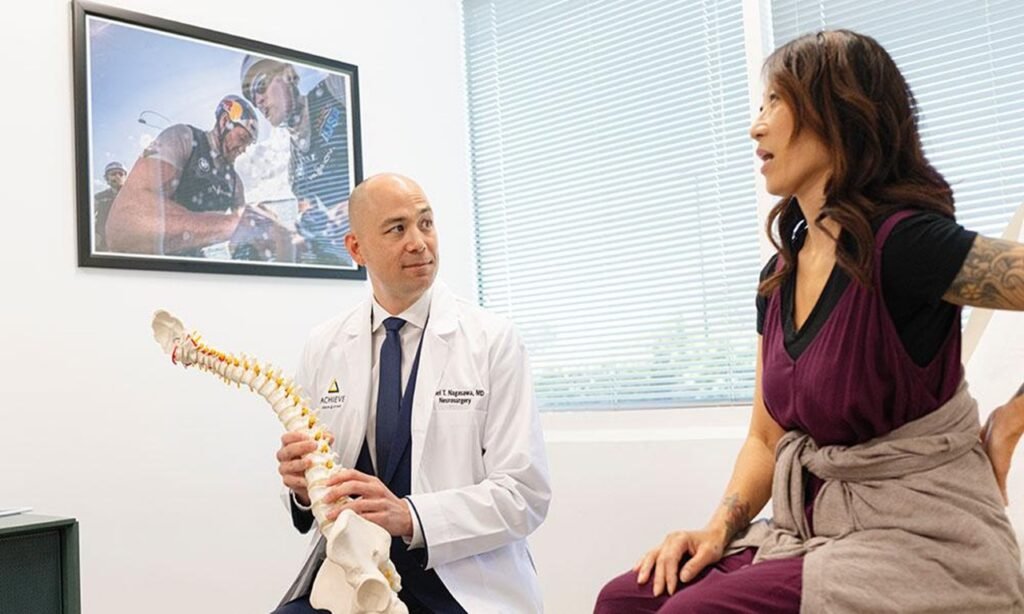
Professional back pain treatment may include medications to relieve pain, reduce inflammation, and improve daily function. Healthcare providers often recommend over-the-counter pain relievers, nonsteroidal anti-inflammatory drugs, muscle relaxants, or prescription medications depending on the severity and underlying cause. Medicines should always be used under medical supervision to minimize potential side effects. Appropriate medication management supports faster recovery, improves comfort, enhances mobility, reduces muscle spasms, complements rehabilitation programs, and helps patients participate more effectively in daily activities.
Heat And Cold Therapy Relieve Pain Naturally
Heat and cold therapy are valuable components of back pain treatment because they provide non-invasive relief for many types of back discomfort. Cold packs help reduce swelling and inflammation shortly after injuries, while heat therapy relaxes muscles, improves circulation, and decreases stiffness during recovery. Alternating both therapies may provide additional benefits for some patients. Proper application reduces discomfort, supports muscle relaxation, enhances flexibility, improves blood flow, accelerates tissue healing, and contributes to effective pain management.
Core Strengthening Exercises Improve Spinal Stability Significantly Today
Strong core muscles play an essential role in successful back pain treatment by supporting the spine and reducing unnecessary stress during movement. Exercise programs focusing on abdominal muscles, lower back muscles, hips, and pelvic stability improve balance and posture while decreasing injury risk. Core strengthening should be performed under professional guidance when pain is significant. Consistent training enhances spinal support, improves flexibility, increases endurance, promotes safer movement, reduces recurring pain episodes, and supports long-term recovery.
Ergonomic Workspaces Reduce Daily Back Pain Stress Effectively
An ergonomic workspace greatly enhances back pain treatment by minimizing strain during prolonged sitting or computer work. Proper chair support, monitor height, keyboard placement, and desk positioning encourage healthy posture while reducing pressure on spinal structures. Small ergonomic adjustments can significantly improve comfort throughout the workday. A well-designed workspace supports productivity, decreases muscle fatigue, improves posture, reduces repetitive stress injuries, enhances circulation, prevents chronic discomfort, and promotes long-term spinal health.
Quality Sleep Supports Faster Back Pain Recovery Naturally
Adequate sleep is an important part of back pain treatment because the body repairs muscles, ligaments, and soft tissues during restful sleep. Sleeping on a supportive mattress with proper spinal alignment reduces nighttime discomfort and improves healing. Maintaining consistent sleep habits further enhances physical recovery. Restful sleep decreases inflammation, improves energy levels, supports immune function, reduces pain sensitivity, enhances tissue repair, promotes emotional well-being, and contributes to lasting spinal health.
Non-Surgical Back Pain Treatment Methods Comparison
| Treatment Method | Primary Benefit |
|---|---|
| Pain Medication | Symptom relief |
| Heat Therapy | Muscle relaxation |
| Cold Therapy | Reduces inflammation |
| Core Exercises | Improves spinal stability |
| Ergonomic Adjustments | Better posture support |
| Quality Sleep | Faster tissue healing |
| Physical Therapy | Improved mobility |
| Stretching Exercises | Greater flexibility |
| Weight Management | Reduced spinal pressure |
| Lifestyle Changes | Long-term prevention |
Stretching Exercises Improve Flexibility And Reduce Stiffness
Regular stretching is a highly effective part of back pain treatment because it loosens tight muscles, improves joint mobility, and reduces stiffness that contributes to discomfort. Gentle stretching of the lower back, hamstrings, hips, and surrounding muscles improves movement while lowering injury risk. Stretching routines should be performed consistently and within comfortable limits. Improved flexibility enhances posture, supports balanced movement, decreases muscle tension, promotes circulation, reduces recurring pain, and strengthens long-term spinal health.
Hydration Supports Healthy Spinal Disc Function Naturally
Proper hydration contributes to successful back pain treatment by helping spinal discs maintain their cushioning ability and flexibility. Water supports nutrient transport, tissue repair, and overall musculoskeletal function throughout the body. Dehydration may reduce disc elasticity and contribute to stiffness or discomfort over time. Drinking sufficient water each day improves joint health, supports muscle performance, enhances recovery, promotes healthy circulation, reduces fatigue, and contributes to better spinal function.
Stress Management Reduces Muscle Tension And Discomfort Effectively
Emotional stress can increase muscle tension and worsen symptoms during back pain treatment. Relaxation techniques such as deep breathing, meditation, mindfulness, and gentle physical activity help reduce stress while improving pain management. Lower stress levels promote muscle relaxation and improve overall well-being during recovery. Effective stress management enhances sleep quality, supports emotional resilience, improves physical comfort, decreases muscle tightness, encourages healthy habits, and contributes to successful treatment outcomes.
Nutrition Plays Important Role During Back Pain Recovery
Balanced nutrition supports back pain treatment by providing essential vitamins, minerals, and protein needed for tissue repair and inflammation control. Foods rich in calcium, vitamin D, magnesium, lean protein, fruits, vegetables, and healthy fats strengthen bones and muscles while promoting recovery. A nutritious diet also supports healthy body weight and overall wellness. Proper nutrition improves healing, strengthens musculoskeletal health, reduces inflammation, increases energy levels, supports rehabilitation, and contributes to long-term spinal function.
Regular Follow-Up Improves Long-Term Treatment Success Consistently
Routine follow-up appointments are essential during back pain treatment because they allow healthcare providers to monitor progress, adjust therapies, evaluate symptom improvement, and address new concerns promptly. Ongoing medical supervision ensures treatment remains effective as recovery progresses. Regular evaluations strengthen communication between patients and providers while preventing setbacks. Consistent follow-up improves treatment accuracy, supports rehabilitation goals, reduces recurrence risks, enhances patient confidence, promotes lasting recovery, and contributes to improved quality of life.

Lifestyle Practices Supporting Successful Back Pain Treatment
- Maintain proper daily posture
- Perform stretching exercises regularly
- Strengthen core muscles consistently
- Stay well hydrated daily
- Follow a balanced nutritious diet
- Get adequate restful sleep
- Manage emotional stress effectively
- Use ergonomic workstations
- Attend regular medical follow-ups
- Follow prescribed treatment plans
Alternative Therapies Complement Traditional Back Pain Treatment Effectively
Many individuals include complementary therapies alongside back pain treatment to improve comfort and overall recovery. Options such as massage therapy, acupuncture, chiropractic care, therapeutic stretching, and relaxation techniques may reduce muscle tension and improve mobility when provided by qualified professionals. These therapies should complement, not replace, evidence-based medical care. Alternative approaches enhance circulation, support muscle relaxation, improve flexibility, reduce stress, encourage natural healing, strengthen rehabilitation efforts, and contribute to comprehensive pain management.
Interventional Procedures Manage Chronic Back Pain Safely Today
When conservative back pain treatment does not provide sufficient relief, healthcare providers may recommend interventional procedures for selected patients. These treatments can include epidural steroid injections, nerve blocks, radiofrequency ablation, or minimally invasive pain management techniques. Such procedures aim to reduce inflammation and interrupt pain signals while supporting rehabilitation. Appropriate patient selection improves treatment success, enhances mobility, decreases discomfort, reduces medication dependence, supports physical therapy participation, and improves overall quality of life.
Surgical Treatment Reserved For Severe Back Conditions Only
Surgery is considered during back pain treatment only when serious spinal conditions fail to respond to conservative therapies or when neurological complications develop. Procedures such as spinal decompression, discectomy, or spinal fusion may relieve pressure on nerves and restore stability. Surgical decisions require careful evaluation by experienced spine specialists. Proper patient assessment improves surgical outcomes, reduces complications, supports functional recovery, enhances mobility, restores daily independence, and contributes to long-term spinal health.
Preventive Strategies Reduce Future Back Pain Episodes Successfully
Long-term success in back pain treatment depends on preventing future injuries through healthy lifestyle habits and proper body mechanics. Maintaining good posture, exercising regularly, strengthening core muscles, lifting safely, staying physically active, and avoiding prolonged sitting significantly reduce recurrence risks. Preventive care protects spinal structures while improving overall physical fitness. Healthy routines strengthen muscles, improve flexibility, enhance balance, reduce injury risk, support mobility, and promote lifelong spinal wellness.
Personalized Treatment Plans Improve Recovery Outcomes Significantly Always
Every patient benefits from an individualized back pain treatment plan because spinal conditions vary in severity, cause, and recovery needs. Healthcare professionals combine medical history, diagnostic findings, physical abilities, and personal goals to develop customized treatment strategies. Personalized care improves patient participation while increasing treatment effectiveness. Individualized plans enhance recovery speed, strengthen long-term outcomes, improve functional ability, reduce recurring symptoms, increase patient satisfaction, and support better overall health.
Advanced Back Pain Treatment Options Comparison
| Treatment Option | Primary Benefit |
|---|---|
| Massage Therapy | Relieves muscle tension |
| Acupuncture | Natural pain management |
| Epidural Injection | Reduces nerve inflammation |
| Nerve Block | Interrupts pain signals |
| Spinal Surgery | Corrects severe conditions |
| Chiropractic Care | Improves spinal alignment |
| Radiofrequency Ablation | Long-term pain relief |
| Rehabilitation Program | Restores mobility |
| Preventive Care | Reduces recurrence |
| Personalized Treatment Plan | Better recovery outcomes |
Daily Mobility Exercises Maintain Healthy Spine Function Consistently
Performing daily mobility exercises supports back pain treatment by maintaining spinal flexibility and reducing stiffness. Gentle movements improve joint function, increase circulation, and prepare muscles for daily activities without placing excessive stress on the spine. Consistent mobility routines reduce discomfort while enhancing overall movement quality. Regular exercise improves posture, strengthens supporting muscles, increases flexibility, supports recovery, reduces future injury risks, and promotes long-term spinal health.
Patient Education Strengthens Long-Term Pain Management Success Continuously
Education is an essential part of effective back pain treatment because informed patients make better decisions regarding posture, exercise, medication use, and lifestyle habits. Understanding the causes of back pain and available treatment options encourages active participation throughout recovery. Knowledge improves treatment adherence while reducing preventable complications. Patient education enhances confidence, supports healthier choices, improves communication with healthcare providers, strengthens rehabilitation efforts, increases treatment success, and promotes lasting wellness.
Regular Activity Prevents Stiffness During Recovery Period Effectively
Remaining moderately active during back pain treatment often produces better outcomes than prolonged bed rest for many common back conditions. Light walking, supervised stretching, and gradual movement help maintain muscle strength while preventing joint stiffness. Activity levels should always match medical recommendations and individual tolerance. Regular movement enhances circulation, accelerates recovery, supports flexibility, decreases muscle weakness, improves endurance, encourages independence, and contributes to successful rehabilitation.

Professional Rehabilitation Restores Strength After Back Pain Recovery
Comprehensive rehabilitation is a valuable phase of back pain treatment, particularly after surgery, significant injury, or prolonged inactivity. Rehabilitation specialists develop structured programs that improve strength, coordination, balance, endurance, and flexibility while helping patients return safely to daily activities. Progressive rehabilitation minimizes future injury risks and promotes functional independence. Professional guidance enhances recovery, improves physical performance, strengthens confidence, supports mobility, reduces recurring pain, and contributes to long-term spinal health.
Comprehensive Care Ensures Lasting Back Pain Relief Successfully Always
Comprehensive back pain treatment combines accurate diagnosis, personalized medical care, physical therapy, exercise, healthy lifestyle habits, preventive strategies, and continuous follow-up to achieve lasting results. Addressing both symptoms and underlying causes provides the greatest opportunity for long-term recovery. Working closely with qualified healthcare professionals helps patients restore function while reducing future complications. Comprehensive care strengthens mobility, improves quality of life, minimizes chronic pain, enhances physical independence, supports overall wellness, and promotes lifelong spinal health.
Comprehensive Back Pain Treatment Benefits Comparison
| Treatment Goal | Expected Benefit |
|---|---|
| Accurate Diagnosis | Targeted treatment planning |
| Personalized Care | Better patient outcomes |
| Physical Therapy | Improved strength and mobility |
| Daily Exercise | Increased flexibility |
| Healthy Lifestyle | Reduced recurrence risk |
| Preventive Strategies | Long-term spinal wellness |
| Professional Rehabilitation | Faster functional recovery |
| Patient Education | Better self-management |
| Continuous Follow-Up | Ongoing treatment success |
| Comprehensive Care | Lasting pain relief and improved quality of life |
Frequently Asked Questions
What is the best treatment for back pain?
The best back pain treatment depends on the underlying cause and may include physical therapy, medication, exercise, lifestyle changes, or medical procedures.
When should I see a doctor for back pain?
You should seek medical attention if back pain lasts more than a few weeks, becomes severe, or is accompanied by numbness, weakness, fever, or loss of bladder or bowel control.
Can exercise help relieve back pain?
Yes. Low-impact exercises, stretching, and core-strengthening activities improve flexibility, reduce pain, strengthen spinal support, and help prevent future injuries.
Can poor posture cause chronic back pain?
Yes. Poor posture places continuous stress on the spine, muscles, and ligaments, increasing the risk of persistent back pain over time.
Is surgery always necessary for back pain?
No. Most people recover successfully through conservative back pain treatment such as physical therapy, medications, exercise, and lifestyle modifications without surgery.
How can I prevent future back pain?
Maintain proper posture, exercise regularly, strengthen core muscles, maintain a healthy weight, lift correctly, and stay physically active to reduce future back problems.
How long does back pain recovery usually take?
Recovery varies depending on the cause. Mild cases often improve within a few weeks, while chronic conditions may require ongoing treatment and rehabilitation.
Conclusion
Effective back pain treatment focuses on identifying the underlying cause, relieving pain, restoring mobility, and preventing future spinal problems. A comprehensive treatment plan may include physical therapy, medications, exercise, healthy lifestyle habits, ergonomic improvements, rehabilitation, and preventive care. Early diagnosis and professional medical guidance often lead to faster recovery and better long-term outcomes. Maintaining proper posture, strengthening core muscles, staying physically active, and following individualized treatment recommendations significantly improve spinal health. Whether experiencing acute or chronic discomfort, choosing the right back pain treatment approach helps reduce pain, improve daily function, enhance overall quality of life, minimize recurring injuries, and support long-term physical wellness through evidence-based care and healthy lifestyle practices.