
Introduction
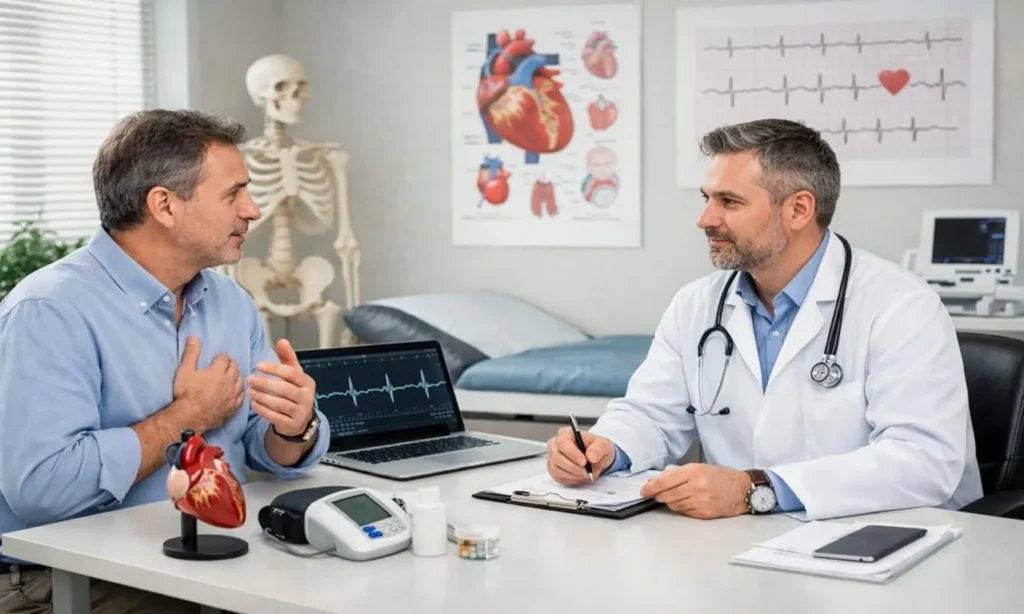
Heart disease treatment helps manage cardiovascular conditions, improve heart function, reduce symptoms, and prevent life-threatening complications such as heart attacks, strokes, and heart failure. Modern treatment combines early diagnosis, healthy lifestyle changes, medications, minimally invasive procedures, surgery, and long-term medical monitoring to achieve the best possible outcomes. Cardiologists develop personalized treatment plans based on the type and severity of heart disease, age, medical history, and overall health. Whether treating coronary artery disease, heart failure, arrhythmias, valve disorders, or congenital heart conditions, professional heart disease treatment improves quality of life, supports better heart health, reduces future cardiovascular risks, and helps patients live longer, healthier, and more active lives.
Understanding Heart Disease Treatment Options Available Today
Professional heart disease treatment includes comprehensive medical care designed to manage cardiovascular diseases and prevent serious complications. Treatment may involve lifestyle modifications, prescription medications, minimally invasive procedures, cardiac rehabilitation, and surgical interventions depending on the patient’s condition. Cardiologists evaluate symptoms, diagnostic test results, risk factors, and overall health before developing individualized treatment plans. Early intervention significantly improves long-term outcomes while reducing hospitalization risks. Comprehensive cardiovascular care helps patients maintain healthier hearts and better overall quality of life.
Common Causes Requiring Heart Disease Treatment Today
Several conditions require professional heart disease treatment, including coronary artery disease, high blood pressure, heart valve disorders, heart failure, arrhythmias, congenital heart defects, and cardiomyopathy. Risk factors such as smoking, obesity, diabetes, high cholesterol, family history, and physical inactivity contribute to disease progression. Understanding underlying causes allows physicians to recommend targeted therapies that improve heart function. Early diagnosis supports timely intervention while reducing future cardiovascular complications.
Recognizing Early Heart Disease Warning Symptoms Quickly Today
Early identification of symptoms improves the success of heart disease treatment. Common warning signs include chest pain, shortness of breath, fatigue, irregular heartbeat, dizziness, swelling in the legs, nausea, excessive sweating, and unexplained weakness. Patients experiencing persistent symptoms should seek immediate medical evaluation. Prompt diagnosis helps prevent severe complications while improving treatment effectiveness. Early intervention significantly increases long-term survival and recovery outcomes.
Medical Diagnosis Supports Accurate Heart Disease Treatment Plans
Accurate diagnosis forms the foundation of successful heart disease treatment. Cardiologists perform physical examinations, electrocardiograms, echocardiograms, stress tests, cardiac CT scans, MRI scans, coronary angiography, and blood tests to identify heart conditions. Comprehensive diagnostic evaluations determine disease severity while guiding personalized treatment recommendations. Professional assessment improves treatment accuracy and supports better cardiovascular outcomes.
Lifestyle Changes Improve Long-Term Heart Health Outcomes Today
Healthy lifestyle modifications remain an essential part of heart disease treatment. Physicians encourage balanced nutrition, regular physical activity, smoking cessation, weight management, stress reduction, quality sleep, alcohol moderation, and blood pressure control. Positive lifestyle habits reduce cardiovascular risks while improving medication effectiveness. Consistent healthy choices strengthen heart function and support long-term disease management.
Healthy Lifestyle Habits Supporting Heart Disease Treatment Today
- Eat a heart-healthy diet
- Exercise regularly
- Stop smoking completely
- Maintain healthy weight
- Control blood pressure
- Lower cholesterol levels
- Manage diabetes carefully
- Reduce daily stress
- Sleep seven to eight hours
- Attend regular medical checkups
Heart Disease Medications Improve Cardiovascular Function Safely Today
Prescription medications play a major role in heart disease treatment by controlling symptoms and preventing disease progression. Cardiologists may prescribe blood pressure medications, cholesterol-lowering drugs, blood thinners, beta-blockers, ACE inhibitors, calcium channel blockers, diuretics, or antiarrhythmic medications. Individual treatment depends on the specific heart condition and patient needs. Proper medication management improves heart function while reducing cardiovascular risks.
Coronary Artery Disease Treatment Prevents Serious Heart Complications Today
Coronary artery disease remains one of the most common reasons for heart disease treatment. Treatment focuses on improving blood flow to the heart through medications, lifestyle modifications, angioplasty, stent placement, or coronary artery bypass surgery. Early treatment reduces heart attack risk while preserving heart muscle function. Professional cardiovascular care supports long-term heart health and improved patient survival.
Table 1: Common Heart Disease Treatments
| Treatment Method | Primary Purpose |
|---|---|
| Lifestyle Modification | Improve heart health |
| Blood Pressure Medication | Control hypertension |
| Cholesterol Medication | Lower LDL cholesterol |
| Blood Thinners | Prevent blood clots |
| Beta Blockers | Reduce heart workload |
| Angioplasty | Restore blood flow |
| Coronary Stents | Keep arteries open |
| Heart Surgery | Treat severe disease |
| Cardiac Rehabilitation | Improve recovery |
| Regular Follow-Up | Monitor long-term progress |
Cardiac Rehabilitation Strengthens Recovery After Heart Disease Treatment
Cardiac rehabilitation is an important component of comprehensive heart disease treatment. Supervised rehabilitation programs include exercise training, nutritional counseling, emotional support, medication education, and cardiovascular risk management. Rehabilitation improves physical strength while reducing future heart-related complications. Structured recovery programs help patients safely return to daily activities and healthier lifestyles.
Diagnostic Tests Used During Heart Disease Treatment Today
- Electrocardiogram (ECG)
- Echocardiogram
- Cardiac stress test
- Blood tests
- Coronary angiography
- Cardiac CT scan
- Cardiac MRI
- Holter monitor
- Chest X-ray
- Cardiac catheterization
Minimally Invasive Procedures Restore Heart Function Effectively Today
Modern heart disease treatment often includes minimally invasive procedures such as coronary angioplasty, stent placement, transcatheter valve repair, catheter ablation, and pacemaker implantation. These procedures improve blood circulation while reducing recovery times compared to traditional surgery. Advanced technology allows cardiologists to treat many heart conditions safely with fewer complications. Professional intervention improves long-term cardiovascular health.

Heart Surgery Provides Advanced Treatment For Severe Disease
Some patients require surgical heart disease treatment when medications or minimally invasive procedures cannot adequately manage their condition. Common surgeries include coronary artery bypass grafting, valve repair or replacement, heart transplant, and congenital defect correction. Skilled cardiovascular surgeons perform these procedures to restore heart function and improve survival. Surgical treatment offers hope for patients with advanced cardiovascular disease.
Managing Cardiovascular Risk Factors Prevents Disease Progression Today
Effective heart disease treatment includes controlling cardiovascular risk factors through routine monitoring and preventive care. Physicians help patients manage blood pressure, cholesterol, diabetes, obesity, smoking, stress, and sedentary lifestyles. Reducing risk factors slows disease progression while lowering the chances of future cardiovascular events. Preventive care supports healthier hearts and longer lives.
Building Healthy Habits Supports Lifelong Heart Disease Management Today
Long-term success with heart disease treatment depends on maintaining healthy daily habits and regular medical follow-up. Patients should continue prescribed medications, attend routine appointments, monitor symptoms, exercise consistently, and maintain healthy nutrition. Ongoing commitment improves treatment effectiveness while reducing future complications. Consistent cardiovascular care promotes lasting heart health and overall wellness.
Choosing Specialized Cardiac Care Improves Treatment Success Today
Selecting experienced cardiologists for heart disease treatment provides patients with advanced diagnostic expertise, evidence-based therapies, personalized care plans, and continuous medical support. Specialized cardiovascular teams coordinate every aspect of treatment while monitoring progress and adjusting therapy as needed. Professional heart care improves symptom management, strengthens long-term outcomes, reduces cardiovascular complications, and helps patients achieve healthier, more active, and longer lives.
Preventing Heart Attacks Through Early Medical Treatment Today
Early heart disease treatment significantly lowers the risk of heart attacks by identifying blocked arteries, controlling blood pressure, reducing cholesterol, and managing diabetes. Cardiologists develop personalized prevention strategies that combine medications, healthy lifestyle changes, regular monitoring, and patient education. Timely intervention improves blood circulation while protecting heart muscle from permanent damage. Preventive treatment strengthens long-term cardiovascular health and reduces emergency hospitalizations. Early diagnosis remains one of the most effective ways to improve survival and overall quality of life.
Managing High Blood Pressure For Better Heart Health Today
Controlling high blood pressure is a vital part of effective heart disease treatment. Physicians recommend antihypertensive medications, sodium reduction, weight management, regular exercise, stress control, smoking cessation, and routine blood pressure monitoring. Proper blood pressure management reduces strain on the heart while lowering the risk of stroke, heart failure, kidney disease, and coronary artery disease. Consistent treatment improves cardiovascular function and promotes long-term health.
Lowering Cholesterol Supports Successful Heart Disease Treatment Today
High cholesterol contributes significantly to cardiovascular disease, making cholesterol management essential for heart disease treatment. Cardiologists recommend heart-healthy nutrition, regular physical activity, cholesterol-lowering medications, weight management, and routine lipid testing. Lower cholesterol levels reduce plaque buildup inside arteries while improving blood circulation. Professional treatment helps prevent heart attacks and supports healthier cardiovascular function throughout life.
Diabetes Management Protects Long-Term Cardiovascular Health Successfully Today
Diabetes greatly increases cardiovascular risk, making blood sugar control an important aspect of heart disease treatment. Physicians recommend glucose monitoring, medication management, healthy nutrition, physical activity, weight reduction, and regular medical evaluations. Proper diabetes control protects blood vessels while reducing complications involving the heart, kidneys, eyes, and nervous system. Comprehensive care supports better long-term cardiovascular outcomes.
Smoking Cessation Improves Heart Disease Recovery Significantly Today
Quitting smoking remains one of the most effective ways to enhance heart disease treatment outcomes. Smoking damages blood vessels, increases blood pressure, reduces oxygen delivery, and accelerates plaque formation within arteries. Physicians offer counseling, nicotine replacement therapy, medications, and behavioral support to help patients stop smoking permanently. Smoking cessation rapidly improves heart health while reducing future cardiovascular events and improving overall life expectancy.
Daily Habits That Strengthen Heart Health Naturally Today
- Eat more fruits daily
- Exercise for thirty minutes
- Maintain healthy body weight
- Quit tobacco products completely
- Limit alcohol consumption
- Sleep consistently every night
- Manage daily stress effectively
- Drink enough clean water
- Monitor blood pressure regularly
- Follow prescribed medications carefully
Heart Healthy Nutrition Supports Effective Disease Management Today
Proper nutrition plays a central role in successful heart disease treatment. Cardiologists encourage eating vegetables, fruits, whole grains, lean proteins, healthy fats, nuts, seeds, legumes, and low-fat dairy products. Patients should limit processed foods, excess sodium, added sugars, saturated fats, and trans fats. Balanced nutrition improves cholesterol levels, supports healthy blood pressure, and strengthens cardiovascular function over time.
Table 2: Heart Disease Risk Factors
| Risk Factor | Health Impact |
|---|---|
| High Blood Pressure | Increased heart strain |
| High Cholesterol | Artery blockage |
| Smoking | Blood vessel damage |
| Diabetes | Cardiovascular complications |
| Obesity | Increased heart workload |
| Physical Inactivity | Poor circulation |
| Poor Diet | Higher cardiovascular risk |
| Chronic Stress | Elevated blood pressure |
| Family History | Increased disease risk |
| Aging | Greater cardiovascular risk |
Stress Management Reduces Cardiovascular Disease Risk Successfully Today
Chronic stress negatively affects cardiovascular health, making stress reduction important during heart disease treatment. Healthcare providers recommend meditation, deep breathing, yoga, mindfulness, counseling, relaxation techniques, and healthy work-life balance. Managing emotional stress lowers blood pressure, reduces inflammation, and improves overall heart function. Positive mental health supports stronger physical recovery and better treatment outcomes.
Maintaining Healthy Weight Supports Better Heart Function Today
Healthy body weight contributes significantly to successful heart disease treatment. Weight management reduces blood pressure, improves cholesterol levels, lowers diabetes risk, decreases heart workload, and improves overall cardiovascular performance. Physicians recommend balanced nutrition, regular exercise, behavior modification, and personalized weight-loss strategies. Achieving a healthy weight strengthens heart health while reducing future cardiovascular complications.
Regular Medical Monitoring Improves Long-Term Treatment Success Today
Every patient receiving heart disease treatment should attend routine medical appointments for ongoing evaluation. Cardiologists monitor blood pressure, cholesterol, heart rhythm, medication effectiveness, symptoms, laboratory results, and overall cardiovascular function. Regular follow-up appointments allow early detection of complications while supporting timely treatment adjustments. Continuous monitoring improves long-term outcomes and patient safety.
Medical Specialists Supporting Heart Disease Treatment Today
- Cardiologist
- Cardiac surgeon
- Primary care physician
- Cardiac rehabilitation therapist
- Registered dietitian
- Clinical pharmacist
- Endocrinologist
- Exercise physiologist
- Mental health counselor
- Specialized cardiac nurse
Medication Adherence Improves Long-Term Heart Disease Outcomes Today
Taking prescribed medications exactly as directed remains essential for successful heart disease treatment. Patients should never stop medications without consulting their healthcare providers. Consistent medication use controls blood pressure, cholesterol, heart rhythm, and blood clot formation while reducing serious complications. Proper adherence improves treatment effectiveness and supports healthier long-term cardiovascular outcomes.

Advanced Cardiac Technology Improves Treatment Precision Every Day
Modern heart disease treatment benefits from advanced medical technologies including robotic surgery, artificial intelligence diagnostics, wearable heart monitors, remote patient monitoring, minimally invasive procedures, advanced imaging systems, and implantable cardiac devices. These innovations improve diagnostic accuracy while enhancing treatment precision. Technology continues transforming cardiovascular care and improving patient recovery.
Table 3: Heart-Healthy Lifestyle Recommendations
| Healthy Habit | Benefit |
|---|---|
| Eat Balanced Meals | Better cholesterol control |
| Exercise Regularly | Stronger heart muscles |
| Maintain Healthy Weight | Lower cardiovascular risk |
| Quit Smoking | Improved circulation |
| Limit Alcohol | Better blood pressure |
| Sleep Well | Heart recovery |
| Manage Stress | Reduced heart strain |
| Drink Water | Healthy circulation |
| Take Medications | Stable heart function |
| Attend Checkups | Early problem detection |
Choosing Experienced Cardiology Specialists Ensures Better Treatment Outcomes Today
Selecting experienced cardiovascular specialists for heart disease treatment provides patients with advanced diagnostic expertise, evidence-based therapies, personalized treatment plans, modern technology, and continuous follow-up care. Skilled healthcare teams coordinate every aspect of cardiovascular management while monitoring recovery and adjusting treatment when necessary. Working with qualified cardiology professionals remains one of the most effective ways to improve heart function, prevent future complications, enhance quality of life, and achieve long-term cardiovascular wellness.
Recovering After Heart Disease Treatment Requires Continuous Care Today
Successful heart disease treatment continues long after hospitalization through consistent follow-up care and healthy lifestyle habits. Patients should attend scheduled medical appointments, monitor symptoms, take prescribed medications, participate in cardiac rehabilitation, and maintain regular physical activity. Ongoing recovery helps strengthen heart function while preventing future cardiovascular complications. Professional supervision allows physicians to adjust treatment plans based on recovery progress. Long-term commitment improves quality of life and supports healthier cardiovascular outcomes for patients recovering from heart disease.
Heart Valve Disorders Need Specialized Treatment Approaches Today
Heart valve disorders often require advanced heart disease treatment depending on the severity of valve damage. Cardiologists evaluate symptoms, valve function, blood flow, and overall heart performance before recommending medications, minimally invasive valve repair, or valve replacement surgery. Early diagnosis prevents worsening complications while improving heart efficiency. Personalized treatment restores proper circulation and supports long-term cardiovascular health. Professional care significantly improves daily functioning and reduces future medical risks.
Heart Rhythm Disorders Require Comprehensive Medical Management Today
Abnormal heart rhythms frequently require specialized heart disease treatment to restore normal electrical activity. Physicians diagnose arrhythmias using electrocardiograms, Holter monitors, electrophysiology studies, and wearable monitoring devices. Treatment may include medications, catheter ablation, pacemakers, implantable defibrillators, or lifestyle modifications. Early intervention reduces stroke risk while improving heart rhythm stability. Professional cardiac care supports safer long-term cardiovascular function and better patient outcomes.
Coronary Stent Procedures Restore Healthy Blood Flow Today
Modern heart disease treatment often includes coronary angioplasty with stent placement for blocked arteries. Cardiologists insert small expandable stents that improve blood flow to the heart muscle while reducing chest pain and heart attack risk. These minimally invasive procedures require shorter recovery periods than traditional surgery. Proper post-procedure care includes medications, healthy nutrition, exercise, and routine follow-up. Professional intervention significantly improves cardiovascular health and quality of life.
Heart Transplant Offers Hope For Advanced Disease Today
For patients with severe heart failure, advanced heart disease treatment may involve heart transplantation when other therapies are no longer effective. Specialized transplant teams carefully evaluate candidates before surgery and provide lifelong monitoring afterward. Immunosuppressive medications help prevent organ rejection while regular medical follow-up supports transplant success. Heart transplantation offers improved survival and quality of life for carefully selected patients with end-stage heart disease.
Foods Supporting Better Heart Disease Treatment Results Today
- Fresh leafy vegetables
- Whole grain foods
- Fatty fish
- Fresh berries
- Mixed nuts
- Olive oil
- Legumes and beans
- Low-fat dairy
- Fresh fruits
- Lean poultry
Monitoring Cholesterol Levels Improves Cardiovascular Health Today
Routine cholesterol monitoring remains an important part of effective heart disease treatment. Cardiologists evaluate LDL cholesterol, HDL cholesterol, triglycerides, and total cholesterol to measure cardiovascular risk. Regular testing allows physicians to adjust medications and recommend dietary improvements when necessary. Maintaining healthy cholesterol levels reduces plaque buildup while protecting arteries from future damage. Consistent monitoring supports long-term cardiovascular wellness and improved treatment success.
Blood Pressure Monitoring Prevents Serious Heart Complications Today
Blood pressure management plays a major role in successful heart disease treatment. Patients should regularly monitor blood pressure at home while attending scheduled medical appointments. Stable blood pressure reduces stress on the heart, blood vessels, kidneys, and brain. Physicians may adjust medications and recommend lifestyle improvements based on blood pressure readings. Ongoing monitoring helps prevent heart attacks, strokes, and heart failure.
Managing Sleep Improves Heart Disease Recovery Naturally Today
Quality sleep contributes significantly to successful heart disease treatment and cardiovascular recovery. Adults should aim for seven to eight hours of restful sleep each night while maintaining consistent sleep schedules. Adequate sleep helps regulate blood pressure, hormone balance, inflammation, and heart rhythm. Physicians may evaluate sleep disorders such as sleep apnea that increase cardiovascular risk. Healthy sleep habits improve recovery and long-term heart function.
Family Support Strengthens Heart Disease Recovery Every Day
Family members play an important role in supporting successful heart disease treatment. Emotional encouragement, medication reminders, healthy meal preparation, transportation to appointments, and participation in physical activities improve patient motivation. Strong family support reduces stress while increasing treatment adherence. Positive relationships contribute to better emotional well-being and improved cardiovascular recovery throughout long-term disease management.
Routine Health Screenings Detect Future Heart Problems Early
Regular health screenings remain essential after heart disease treatment to identify potential complications before symptoms become severe. Cardiologists monitor blood pressure, cholesterol, blood sugar, heart rhythm, kidney function, weight, and medication effectiveness during follow-up appointments. Early detection allows physicians to adjust treatment promptly. Preventive monitoring supports healthier cardiovascular outcomes while reducing emergency hospitalizations.

Important Warning Signs Requiring Immediate Medical Attention Today
- Severe chest pain
- Sudden shortness of breath
- Loss of consciousness
- Rapid irregular heartbeat
- Severe dizziness
- Sudden weakness
- Difficulty speaking
- Swelling worsening rapidly
- Persistent nausea
- Cold sweating
Avoiding Risk Factors Protects Long-Term Heart Health Today
Preventing future cardiovascular problems remains an essential goal of heart disease treatment. Patients should avoid smoking, excessive alcohol, unhealthy diets, physical inactivity, uncontrolled diabetes, unmanaged stress, and poor medication adherence. Eliminating harmful habits protects heart function while reducing disease progression. Preventive strategies improve overall cardiovascular wellness and long-term survival.
Future Heart Disease Treatment Continues Advancing Through Innovation Today
Medical innovation continues transforming heart disease treatment through artificial intelligence, robotic-assisted surgery, precision medicine, wearable monitoring devices, advanced imaging technology, gene research, remote patient monitoring, and minimally invasive procedures. These advancements improve diagnostic accuracy while creating safer, more personalized treatment options. Continuous innovation offers hope for improved cardiovascular outcomes worldwide.
Table 4: Common Diagnostic Tests
| Diagnostic Test | Purpose |
|---|---|
| Electrocardiogram (ECG) | Measure heart rhythm |
| Echocardiogram | Evaluate heart structure |
| Cardiac Stress Test | Assess exercise response |
| Blood Tests | Detect cardiac markers |
| Coronary Angiography | Identify artery blockage |
| Cardiac CT Scan | Detailed heart imaging |
| Cardiac MRI | Evaluate heart tissue |
| Holter Monitor | Continuous rhythm monitoring |
| Chest X-ray | Assess heart size |
| Cardiac Catheterization | Examine coronary arteries |
Choosing Specialized Cardiology Centers Improves Recovery Outcomes Today
Selecting experienced cardiovascular specialists for heart disease treatment gives patients access to advanced diagnostics, modern technology, evidence-based therapies, multidisciplinary medical teams, personalized care plans, and continuous follow-up. Specialized cardiac centers provide comprehensive treatment for coronary artery disease, heart failure, arrhythmias, valve disorders, and other cardiovascular conditions. Receiving expert care significantly improves recovery, reduces future complications, enhances quality of life, and supports long-term heart health through comprehensive medical management.
Frequently Asked Questions
What is the best heart disease treatment?
- The best heart disease treatment depends on the specific heart condition and may include lifestyle changes, medications, procedures, or surgery.
Can heart disease be treated without surgery?
- Yes. Many patients successfully manage heart disease through medications, healthy lifestyle changes, cardiac rehabilitation, and regular medical care.
What foods help improve heart health?
- Fruits, vegetables, whole grains, fish, nuts, legumes, olive oil, and low-fat dairy products support better cardiovascular health.
How long does heart disease treatment last?
- Most heart conditions require lifelong monitoring, healthy habits, routine checkups, and ongoing medication management.
Can exercise improve heart disease?
- Yes. Physician-approved exercise strengthens the heart, improves circulation, lowers blood pressure, and reduces cardiovascular risk.
When should I seek emergency medical care?
- Seek immediate medical attention for severe chest pain, difficulty breathing, sudden weakness, fainting, or symptoms of a heart attack.
Conclusion
Professional heart disease treatment combines early diagnosis, personalized medical care, healthy lifestyle changes, prescription medications, minimally invasive procedures, cardiac rehabilitation, and advanced surgical options to improve cardiovascular health and reduce life-threatening complications. Experienced cardiologists carefully evaluate each patient’s condition before developing individualized treatment plans that support long-term recovery and prevention. Whether managing coronary artery disease, heart failure, arrhythmias, valve disorders, or congenital heart conditions, comprehensive cardiovascular care improves quality of life, strengthens heart function, lowers future health risks, and promotes longer, healthier living. Regular follow-up appointments, medication adherence, healthy nutrition, exercise, stress management, and preventive care remain essential for achieving lasting success with heart disease treatment.







“Thanks for always delivering such high-quality content.”,
thanks for cmt but my website underdevelping
thanks