
Importance of Fiber for Digestive Health in Daily Life
The Role of Fiber in Digestive Health is essential in today’s modern lifestyle, where digestive issues have become increasingly common. Many people experience bloating, constipation, acidity, and irregular bowel movements without understanding the root cause.In today’s modern lifestyle, digestive issues have become increasingly common. Many people experience bloating, constipation, acidity, and irregular bowel movements, often without understanding the root cause. One of the biggest reasons behind these problems is a lack of dietary fiber.When you include enough fiber in your meals, your digestive system functions more efficiently, your gut stays balanced, and your overall health improves. Understanding the role of fiber for digestion can completely transform the way your body processes food and eliminates waste.
Modern Lifestyle and Rising Digestive Issues
Fiber is a type of carbohydrate that the body cannot fully digest. Unlike other nutrients, it passes through the digestive system relatively intact. While this might sound unusual, it is exactly what makes fiber so beneficial.There are two main types of fiber: soluble and insoluble. Soluble fiber dissolves in water and forms a gel-like substance that helps slow digestion and stabilize blood sugar levels. Insoluble fiber, on the other hand, adds bulk to stool and helps food move smoothly through the digestive tract.
Both types of fiber work together to support digestion. They help regulate bowel movements, feed beneficial gut bacteria, and reduce the risk of digestive disorders.The role of fiber in digestive health becomes clear when we understand how fiber works inside the body.
Digestive Health Strengthened Through Fiber Intake
Fiber acts as a natural cleanser for your digestive system. It helps remove waste, toxins, and unwanted substances from the body. When your digestive system is functioning properly, you feel lighter, more energetic, and more comfortable.One of the key benefits of fiber for digestion is its ability to prevent constipation. By adding bulk to stool and improving movement in the intestines, fiber ensures regular and smooth bowel movements.Additionally, fiber supports the growth of good bacteria in the gut. These bacteria play a vital role in breaking down food, absorbing nutrients, and protecting against harmful microbes.The role of fiber in digestive health is vital because it acts as a natural cleanser for your digestive system.
Fiber and Bowel Regularity
One of the most noticeable effects of fiber is improved bowel regularity. When your body receives enough fiber, digestion becomes smoother and more predictable.Irregular bowel movements can lead to discomfort, bloating, and long-term digestive problems. Fiber helps prevent these issues by ensuring that waste moves efficiently through the digestive system.A fiber-rich diet promotes consistency, which is a key indicator of a healthy digestive system.
Fiber and Gut Microbiome Health
Your gut is home to trillions of microorganisms that influence your health in many ways. These microorganisms, collectively known as the gut microbiome, depend heavily on fiber.Fiber acts as food for beneficial bacteria, helping them grow and thrive. When these bacteria are healthy, they improve digestion, strengthen immunity, and even support mental health.A lack of fiber can disrupt this balance, leading to digestive discomfort and other health issues. Including fiber-rich foods in your diet helps maintain a healthy and diverse gut environment.The role of fiber in digestive health also includes supporting beneficial gut bacteria.
Best Sources of Fiber for Daily Diet

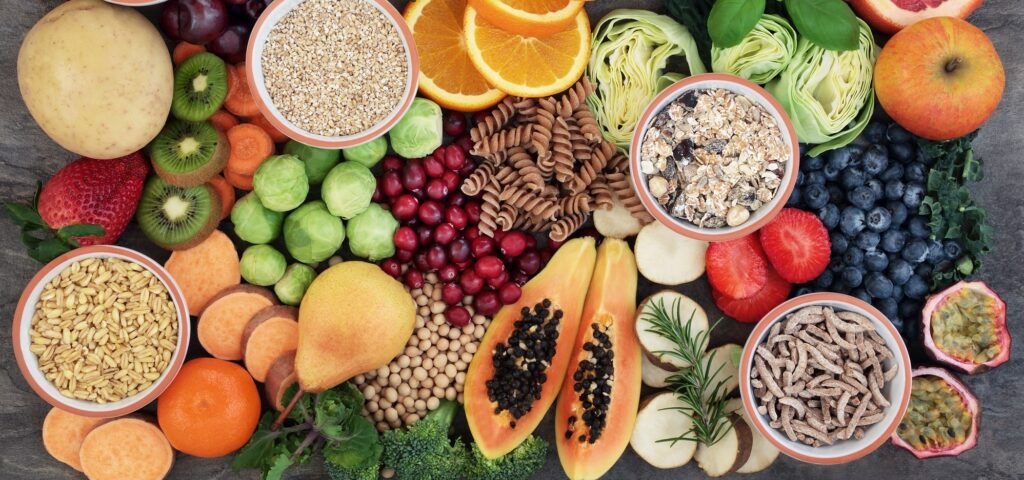
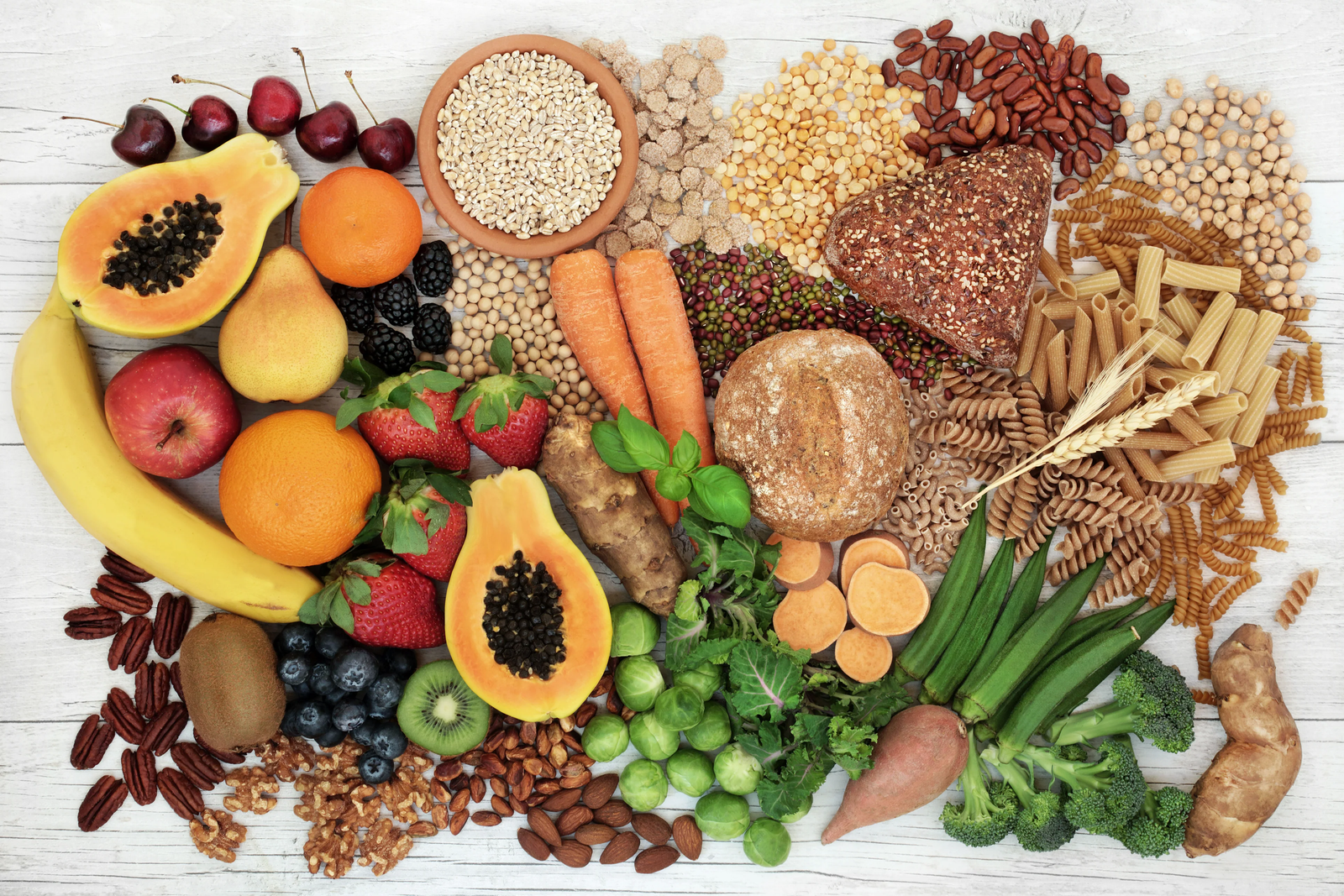
Fiber is naturally found in a variety of plant-based foods. Fruits, vegetables, whole grains, legumes, nuts, and seeds are all excellent sources.Foods like apples, bananas, berries, oats, lentils, beans, and leafy greens are particularly rich in fiber. Including a mix of these foods ensures that your body receives both soluble and insoluble fiber.Fresh, natural foods are always the best choice. Processed foods often lack fiber and can negatively affect digestion.Understanding the role of fiber in digestive health helps you choose better daily food options.
Natural Ways to Boost Daily Fiber Intake
Improving your fiber intake does not require drastic changes. Small adjustments in your daily meals can make a big difference over time.Choosing whole grains instead of refined grains, adding vegetables to every meal, and including fruits as snacks are simple ways to boost fiber intake. Drinking enough water is also important, as fiber works best when combined with proper hydration.Gradual changes are more sustainable and help your body adjust comfortably.
Effects of Low Fiber Intake on Digestive Health
A lack of fiber can lead to several digestive problems. Constipation is one of the most common issues, but low fiber intake can also cause bloating, irregular digestion, and discomfort.Over time, poor dietary habits can increase the risk of more serious conditions, including digestive disorders and metabolic problems. This highlights the importance of maintaining a balanced and fiber-rich diet.
The Importance of Water with Fiber
Fiber and water work together to support digestion. Without enough water, fiber cannot move smoothly through the digestive system.Staying hydrated ensures that fiber can do its job effectively, helping maintain soft stool and smooth digestion. Drinking water throughout the day is essential for overall health and digestive comfort.
Fiber Beyond Digestion: Additional Health Benefits

While fiber is best known for its role in digestion, its benefits go far beyond that. It helps regulate blood sugar levels, supports heart health, and contributes to weight management.A fiber-rich diet keeps you feeling full for longer, reducing unnecessary snacking and helping maintain a healthy weight. It also supports long-term health by reducing the risk of chronic diseases.
Frequently Asked Questions (FAQs)
1. Why is fiber important for digestive health?
Fiber helps regulate digestion, improves bowel movements, and keeps the digestive system clean and balanced by removing waste and toxins from the body.
2. What are the main types of dietary fiber?
There are two main types:
- Soluble fiber (helps control blood sugar and slows digestion)
- Insoluble fiber (adds bulk to stool and promotes smooth bowel movement)
3. How does fiber help prevent constipation?
Fiber adds bulk to stool and helps it pass easily through the intestines, reducing the chances of constipation and discomfort.
4. How much fiber should I consume daily?
Most adults should aim for 25–30 grams of fiber per day, depending on age and gender.
5. What are the best sources of fiber?
Good sources include:
- Fruits (apples, bananas, berries)
- Vegetables (leafy greens, carrots)
- Whole grains (oats, brown rice)
- Legumes (lentils, beans)
- Nuts and seeds
6. Can fiber improve gut health?
Yes, fiber feeds beneficial gut bacteria, helping maintain a healthy gut microbiome, which supports digestion and immunity.
7. What happens if I don’t eat enough fiber?
Low fiber intake can lead to constipation, bloating, irregular digestion, and an increased risk of digestive disorders.
8. Does fiber help with weight management?
Yes, fiber keeps you full for longer, reducing overeating and helping maintain a healthy weight.
9. Is it important to drink water with fiber?
Absolutely. Fiber works best when combined with enough water, which helps soften stool and supports smooth digestion.
10. Can too much fiber be harmful?
Yes, excessive fiber intake without enough water can cause bloating, gas, or discomfort. It’s best to increase fiber gradually.
11. How can I increase fiber intake naturally?
You can:
- Replace refined grains with whole grains
- Add vegetables to every meal
- Eat fruits as snacks
- Include legumes in your diet
12. Does fiber help control blood sugar levels?
Yes, soluble fiber slows down sugar absorption, helping maintain stable blood sugar levels.
Final Thoughts: Build a Fiber-Rich Lifestyle
The role of fiber in digestive health cannot be ignored if you want a healthier and more balanced life.By making simple changes—choosing natural foods, staying hydrated, and maintaining consistency—you can significantly improve your digestive health.You don’t need complicated diets or expensive supplements. Just focus on real, wholesome foods and let your body benefit naturally.
for more click here…







Good 👍🏻😊