Introduction
In today’s fast-moving world, finding mental peace has become one of the biggest challenges. People are constantly dealing with stress, pressure, anxiety, and overthinking. That’s why many individuals search for daily habits for mental peace to bring balance and calmness into their lives.Mental peace doesn’t come from big changes overnight. Instead, it develops through small, consistent actions. When you adopt the right daily habits for mental peace, you begin to feel more relaxed, focused, and emotionally strong.
This guide will explain simple, practical, and effective habits you can follow every day to achieve a peaceful mind and a healthier lifestyle.

Why Mental Peace is Important
Mental peace is not just about feeling relaxed—it affects every part of your life.
When you have mental peace:
- You think clearly
- You make better decisions
- You handle stress easily
- Your relationships improve
- Your physical health becomes stronger
Without mental peace, even small problems can feel overwhelming. That’s why building daily habits for mental peace is essential for long-term happiness.
1. Start Your Day with Gratitude
One of the simplest daily habits for mental peace is practicing gratitude.
When you wake up, take a few moments to think about what you’re thankful for. It could be your family, health, or even small things like a good meal.
Benefits:
- Reduces stress
- Improves mood
- Creates positive thinking
How to Practice:
- Write 3 things you’re grateful for daily
- Say “Alhamdulillah” with meaning
- Focus on what you have, not what you lack
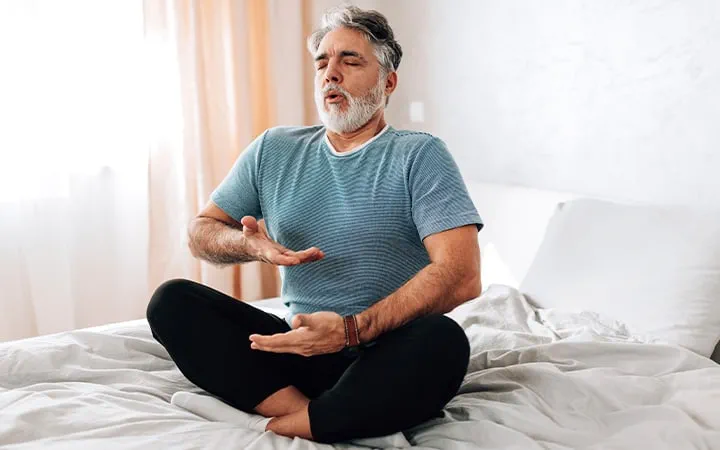
2. Practice Deep Breathing or Meditation
Meditation is one of the most powerful daily habits for mental peace.

Even 5–10 minutes of deep breathing can calm your mind and reduce anxiety.
Simple Method:
- Sit quietly
- Close your eyes
- Take slow deep breaths
- Focus only on your breathing
Benefits:
- Reduces anxiety
- Improves focus
- Controls overthinking
3. Limit Social Media Usage
Excessive social media can disturb your mental peace.limiting social media usage is good daily habits for mental peace.
Comparisons, negative news, and constant scrolling increase stress and anxiety.
Healthy Habit:
- Limit usage to 1–2 hours daily
- Avoid phone right after waking up
- Take digital breaks
This is one of the most underrated daily habits for mental peace.
4. Maintain a Healthy Sleep Routine
Sleep plays a huge role in mental health.
Lack of sleep leads to:
- Irritability
- Stress
- Lack of focus
Tips for Better Sleep:
- Sleep 7–8 hours daily
- Avoid mobile before bed
- Sleep at the same time every day
Good sleep is a foundation for daily habits for mental peace.
5. Exercise Regularly
Physical activity is not just for the body—it’s also for the mind.
Exercise releases “feel-good” hormones that reduce stress.
Options:
- Walking
- Jogging
- Yoga
- Home workouts
Benefits:
- Improves mood
- Reduces anxiety
- Boosts energy
Even 20 minutes daily can make a big difference.Exercise regularly is for good health is a good daily habits for mental peace.
6. Eat Healthy and Balanced Diet
Your food directly affects your mental state.
Avoid:
- Junk food
- Excess sugar
- Too much caffeine
Include:
- Fruits
- Vegetables
- Water
- Nuts
A balanced diet supports mental peace and emotional stability.
7. Stay Organized
A messy environment creates a messy mind.
Keeping your space clean is one of the easiest daily habits for mental peace.
Tips:
- Organize your room
- Plan your day
- Write a to-do list
This reduces stress and increases productivity.
8. Avoid Negative People and Thoughts
Your environment shapes your mindset.
Stay away from:
- Toxic people
- Constant negativity
- Stressful conversations
Instead:
- Surround yourself with positive people
- Focus on solutions, not problems
This habit protects your mental energy.
9. Spend Time with Nature
Nature has a calming effect on the mind.
Activities:
- Walk in a park
- Sit in sunlight
- Enjoy fresh air
Benefits:
- Reduces stress
- Improves mood
- Refreshes mind
Even 15–20 minutes daily helps a lot.

10. Practice Self-Talk
The way you talk to yourself matters.
Negative self-talk creates anxiety and stress.
Replace:
- “I can’t do this” → “I will try my best”
- “I’m not good enough” → “I am improving daily”
Positive thinking is a key part of daily habits for mental peace.
11. Take Breaks During Work
Working continuously leads to mental fatigue.
Healthy Practice:
- Take short breaks every 1–2 hours
- Stretch your body
- Relax your mind
This improves focus and reduces stress.
12. Learn to Say No
Overcommitting causes stress and pressure.
You don’t have to say yes to everything.
Benefits:
- Protects your time
- Reduces stress
- Builds confidence
This is a powerful but often ignored habit.
13. Practice Forgiveness
Holding grudges destroys mental peace.
Forgiveness doesn’t mean forgetting—it means letting go.
Benefits:
- Reduces anger
- Improves emotional health
- Brings inner peace
Let go of past negativity.
14. Engage in Hobbies
Doing something you enjoy is important for mental peace.
Examples:
- Reading
- Writing
- Drawing
- Gardening
Hobbies relax your mind and make you happy.
15. Stay Spiritually Connected
For many people, spirituality is the strongest source of peace.
Practices:
- Prayer (Namaz)
- Quran recitation
- Dhikr
This brings deep inner calm and purpose.
16. Avoid Overthinking
Overthinking is one of the biggest enemies of mental peace.
Tips:
- Focus on present
- Accept what you cannot control
- Take action instead of worrying
Train your mind to stay calm.
17. Set Realistic Goals
Unrealistic expectations lead to stress.
Break big goals into small steps.
Benefits:
- Reduces pressure
- Increases motivation
- Builds confidence
18. Practice Kindness
Helping others brings inner satisfaction.
Examples:
- Help someone in need
- Speak kindly
- Support friends
Kindness creates positivity in your life.
19. Limit News Consumption
Too much negative news affects mental health.
Stay informed but avoid overload.
Tip:
- Check news once a day only
20. End Your Day Positively
Your night routine is as important as your morning.
Practice:
- Reflect on your day
- Avoid stress before sleep
- Think positive thoughts
This improves sleep and mental peace.
Advanced Strategies to Strengthen Daily Habits for Mental Peace
Building daily habits for mental peace is not just about following simple routines—it’s about creating a lifestyle that supports emotional balance, clarity, and inner calm. Once you’ve started basic habits, the next step is to go deeper and make these practices more meaningful and consistent.
21. Build a Consistent Morning Routine
Your morning routine has a powerful impact on your mental state. Starting your day in a rushed or stressful way can affect your mood for the entire day. On the other hand, a calm and structured morning helps you feel more in control.A good morning routine should be simple and peaceful. Wake up early, avoid checking your phone immediately, and give yourself a few quiet moments. Drinking water, stretching lightly, or offering prayer can create a strong foundation for the day.By following Daily Habits for Mental Peace, you can improve your mindset and reduce everyday stress
Consistency is key. When your mind gets used to a calm start every day, it naturally becomes more stable and less reactive to stress.
22. Create a Night Routine for Mental Relaxation
Just like your morning, your night routine is equally important for maintaining mental peace. Many people go to bed with stress, overthinking, or screen exposure, which affects sleep quality and mental clarity.To improve this, create a relaxing night routine. Turn off screens at least 30 minutes before sleep, reflect on your day, and think about positive moments. Reading something calming or practicing gratitude can also help.A peaceful night routine improves sleep, and good sleep is directly linked to better mental health.By following Daily Habits for Mental Peace, you can improve your mindset and reduce everyday stress
23. Identify the Root Causes of Stress
One of the most important steps in building daily habits for mental peace is understanding what causes your stress. Many people try to manage stress without identifying its source, which makes the problem worse.Take some time to reflect on your daily life. Are you stressed work pressure, financial issues, or relationships? Once you identify the cause, you can take specific steps to reduce it.Writing your thoughts in a notebook can help you gain clarity. Awareness is the first step toward change.By following Daily Habits for Mental Peace, you can improve your mindset and reduce everyday stress
24. Practice Mindfulness in Everyday Life
Mindfulness is the practice of being fully present in the moment. Instead of thinking about the past or worrying about the future, mindfulness helps you focus on what is happening right now.You can practice mindfulness in simple ways. Eat your meals without distractions, listen carefully during conversations, and focus on your breathing during quiet moments.This habit reduces overthinking and helps your mind stay calm and balanced. Over time, mindfulness becomes a natural part of your personality.
25. Learn to Control Your Reactions
You cannot control every situation in life, but you can control how you respond. Many people lose their mental peace because they react emotionally instead of responding calmly.Before reacting, take a pause. Give yourself a moment to think. Ask yourself if your reaction will improve the situation or make it worse.Developing this habit takes time, but it greatly improves your emotional strength and helps you maintain peace even in difficult situations.
26. Take Regular Digital Breaks
Technology is a big part of modern life, but excessive use can harm your mental health. Constant notifications, social media comparisons, and information overload increase stress and anxiety.
Make it a habit to take digital breaks during the day. Set specific times for using your phone and avoid unnecessary scrolling. You can also choose one day per week for a complete or partial digital detox.
This helps your mind relax and gives you time to focus on real-life experiences.
27. Improve Emotional Intelligence
Emotional intelligence is your ability to understand and manage your emotions. It plays a major role in achieving mental peace.
When you understand your emotions, you can control your reactions better. This reduces conflicts and helps you maintain healthy relationships.
To improve emotional intelligence, practice listening, stay calm during disagreements, and try to understand others’ perspectives. This creates a more peaceful and balanced life.
28. Accept Imperfection
Many people feel stressed because they try to be perfect in everything. This creates unnecessary pressure and disappointment.
The truth is that perfection does not exist. Everyone makes mistakes, and that is part of learning and growth.
Accept your imperfections and focus on progress instead of perfection. This mindset reduces stress and helps you feel more relaxed and confident.
29. Manage Your Time Effectively
Poor time management often leads to stress and anxiety. When tasks pile up, your mind feels overwhelmed.
To avoid this, plan your day in advance. Create a simple to-do list and prioritize important tasks. Break large tasks into smaller steps so they feel more manageable.
When you manage your time well, you feel more in control and less stressed, which supports your daily habits for mental peace.
30. Strengthen Your Relationships
Healthy relationships provide emotional support and stability. Spending time with positive and supportive people improves your mental well-being.
Make an effort to communicate openly, listen to others, and avoid unnecessary conflicts. Even small gestures like checking on a friend or spending time with family can make a big difference.
Strong relationships create a sense of belonging and reduce feelings of loneliness and stress.
31. Let Go of the Past
Holding onto past mistakes or painful experiences can disturb your mental peace. Many people keep thinking about what went wrong, which leads to stress and regret.
Learn to let go. Accept that the past cannot be changed and focus on the present moment. Forgiveness—both for yourself and others—is an important step in this process.
Letting go does not mean forgetting; it means freeing yourself from unnecessary emotional burden.
32. Practice Journaling for Mental Clarity
Journaling is a simple yet powerful habit that helps clear your mind. Writing down your thoughts allows you to understand your emotions better.
You can write about your daily experiences, worries, or goals. There are no rules—just express yourself honestly.
This habit reduces mental clutter and helps you gain clarity, making it easier to handle stress.
33. Focus on What You Can Control
Many people waste energy worrying about things they cannot control. This leads to frustration and anxiety.
Instead, focus on your actions, effort, and attitude. Accept that some things are beyond your control and learn to let them go.
This mindset shift is one of the most effective ways to maintain mental peace.
34. Develop Patience
Patience is essential for a peaceful mind. In today’s fast-paced world, people expect quick results, which often leads to frustration.
Understand that good things take time. Whether it’s personal growth, career success, or relationships, patience helps you stay calm during delays and challenges.
Practicing patience reduces stress and builds emotional strength.
35. Create a Calm and Organized Environment
Your surroundings have a direct impact on your mental state. A messy or noisy environment can increase stress and reduce focus.
Keep your space clean and organized. Even small changes like arranging your desk or adding a plant can create a calming effect.
A peaceful environment supports your mental health and makes it easier to follow your daily habits.
Common Mistakes That Disturb Mental Peace
While building good habits is important, avoiding harmful habits is equally necessary. Some common mistakes include:
- Overthinking every situation
- Comparing yourself to others
- Ignoring your physical health
- Spending too much time on social media
- Lack of routine and discipline
Being aware of these mistakes helps you avoid unnecessary stress.
How Long Does It Take to Achieve Mental Peace?
Many people expect quick results, but mental peace is a gradual process.
You may start noticing small changes within a few days, such as feeling calmer or more focused. However, long-term results usually take a few weeks or even months.
The key is consistency. Even small daily efforts can lead to significant improvements over time.
🌿 Conclusion
Achieving mental peace is not difficult—it just requires consistency.
By following these daily habits for mental peace, you can slowly transform your life. Start with small steps, stay consistent, and be patient with yourself.
Remember:
Mental peace is not something you find—it’s something you create daily.
for more click here…