Impact of Healthy Digestion on Your Body and Mind
Improve digestion and gut health is essential for overall well-being, as your digestive system plays a key role in nutrient absorption, immunity, and energy levels. If you want to improve digestion and gut health, simple daily habits like eating fiber-rich foods, staying hydrated, and managing stress can make a big difference. Your gut is home to trillions of bacteria, collectively known as the gut microbiome.
These bacteria play a key role in:
- Digesting food
- Absorbing nutrients
- Supporting immunity
- Regulating hormones
- Improving mood and mental clarity
The good news? You don’t need expensive supplements or extreme diets. Simple daily habits can dramatically improve digestion and gut health. This guide explains easy, natural, and proven ways to improve digestion that anyone can follow at home.
Understanding Your Digestive System (Simple Explanation)
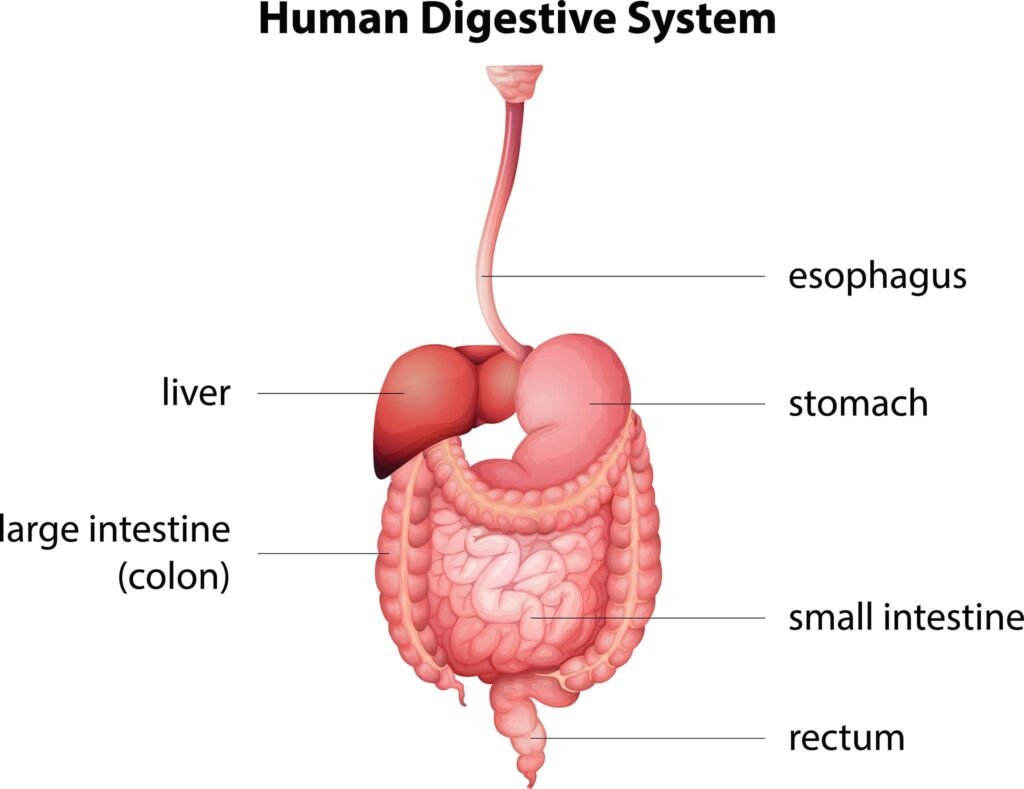
Your digestive system includes:
- Mouth
- Esophagus
- Stomach
- Small intestine
- Large intestine (colon)
- Liver, pancreas, and gallbladder
Each organ works together to break down food into nutrients and remove waste. When this system is disturbed, digestion slows down and harmful bacteria can grow.
Common Signs of Poor Digestion and Gut Health
If you experience these regularly, your gut may need attention:
- Bloating after meals
- Gas and acidity
- Constipation or diarrhea
- Stomach pain
- Food intolerances
- Low energy levels
- Frequent infections
- Brain fog
- Skin problems (acne, eczema)
Improving digestion can help relieve many of these symptoms naturally.
1. Eat More Fiber-Rich Foods
Fiber is essential for healthy digestion. It feeds good gut bacteria and helps move food smoothly through the intestines.
Best Fiber Sources:
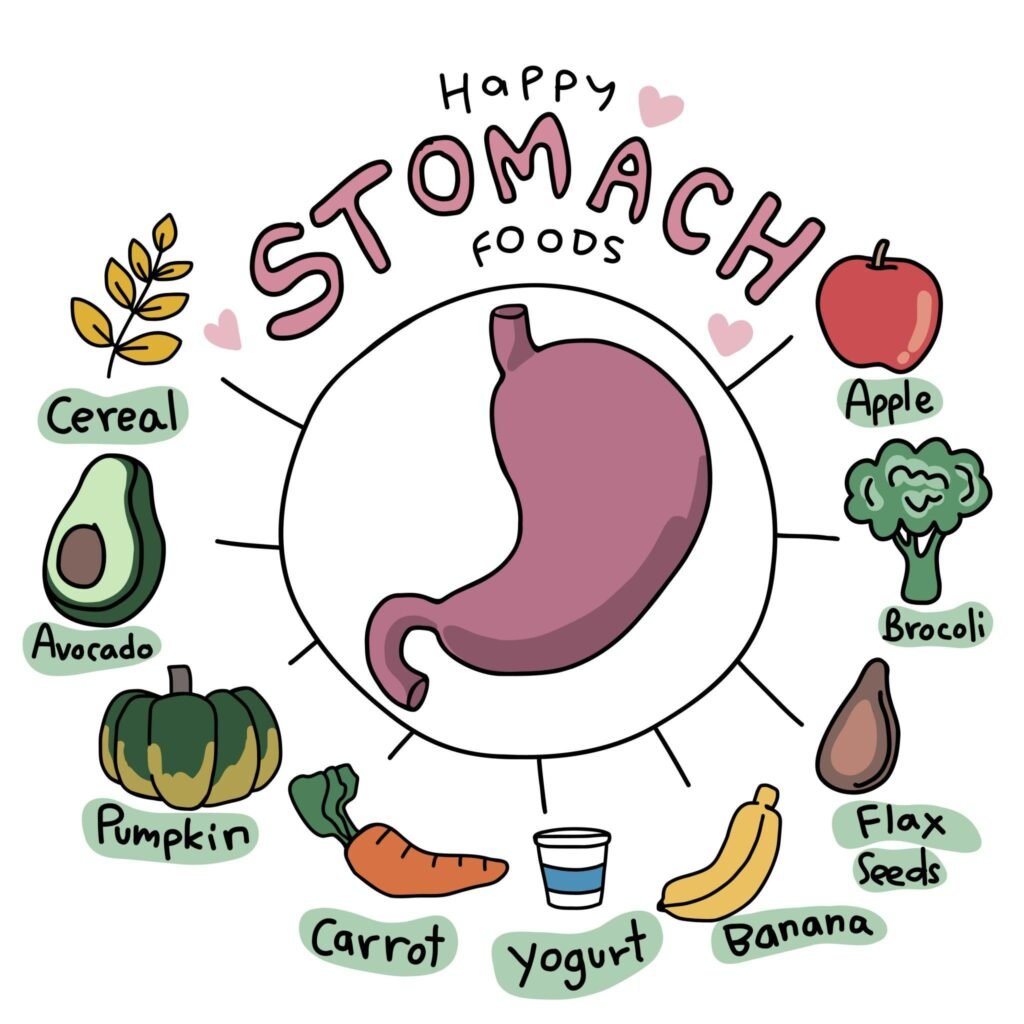
- Fruits: apples, bananas, berries, pears
- Vegetables: carrots, spinach, broccoli
- Whole grains: oats, brown rice, whole wheat
- Legumes: lentils, beans, chickpeas
- Seeds: chia seeds, flaxseeds
Tip: Increase fiber gradually and drink enough water to avoid bloating.
2. Drink Enough Water Daily
Water helps break down food and allows nutrients to be absorbed properly. Dehydration can cause constipation and slow digestion.
Simple Hydration Tips:
- Drink 8–10 glasses of water daily
- Start your day with warm water
- Drink water between meals, not too much during meals
3. Chew Your Food Properly
Digestion starts in the mouth. When you chew slowly, enzymes begin breaking down food, reducing pressure on your stomach.
Benefits of Chewing Well:
- Better nutrient absorption
- Less bloating
- Reduced acidity
- Improved gut comfort
Rule: Chew each bite at least 20–30 times.
4. Add Probiotic Foods to Your Diet

Probiotics are “good bacteria” that improve gut balance.
Natural Probiotic Foods:
- Yogurt (plain, unsweetened)
- Kefir
- Sauerkraut
- Kimchi
- Pickles (naturally fermented)
These foods help reduce harmful bacteria and improve digestion.
5. Eat Prebiotic Foods
Prebiotics feed good bacteria already living in your gut.
Best Prebiotic Foods:
- Garlic
- Onion
- Banana
- Oats
- Asparagus
Probiotics + prebiotics together create a strong gut environment.
6. Reduce Processed and Junk Foods
Highly processed foods contain preservatives, refined sugar, and unhealthy fats that damage gut bacteria.
Avoid or Limit:
- Fast food
- Sugary drinks
- Packaged snacks
- Artificial sweeteners
Replace them with fresh, whole foods whenever possible.
7. Manage Stress for Better Gut Health
Your gut and brain are directly connected. Stress can slow digestion and cause stomach discomfort.
Simple Stress-Reduction Habits:
- Deep breathing
- Walking outdoors
- Prayer or meditation
- Adequate sleep
Calm mind = healthy digestion.
8. Exercise Regularly
Physical activity helps food move through the digestive tract.
Best Exercises for Digestion:
- Walking after meals
- Yoga
- Stretching
- Light jogging
Even 20–30 minutes daily makes a difference.
9. Eat on a Regular Schedule
Eating at irregular times confuses your digestive system.
Healthy Eating Routine:
- Eat meals at the same time daily
- Avoid late-night heavy meals
- Give 3–4 hours gap between meals
This helps regulate digestive enzymes naturally.
10. Limit Overeating
Large meals overload the stomach and cause indigestion.
Tip:
Eat slowly and stop when you feel 80% full.
11. Improve Sleep Quality
Poor sleep affects gut bacteria balance.
Sleep Tips:
- Sleep 7–8 hours daily
- Avoid screens before bedtime
- Eat dinner at least 2–3 hours before sleep
12. Natural Remedies for Better Digestion

Effective Natural Remedies:
- Ginger tea
- Peppermint tea
- Fennel seeds after meals
- Warm lemon water in the morning
These remedies soothe the stomach and reduce bloating.
13. Avoid Smoking and Excess Alcohol
Both damage gut lining and reduce healthy bacteria. Reducing or quitting improves digestion significantly.
14. Listen to Your Body
Everyone’s digestion is different. Notice which foods suit you and which cause discomfort. Keep a food journal if needed.
Long-Term Benefits of Good Gut Health
When digestion improves, you may experience:
- Better immunity
- Clearer skin
- Improved mood
- More energy
- Healthy weight management
A healthy gut supports the entire body.
Final Thoughts
In conclusion, to improve digestion and gut health, focus on consistent habits like clean eating, hydration, exercise, and stress management. Your gut is your body’s second brain—take care of it, and it will take care of you.
FAQs: Simple Ways to Improve Digestion and Gut Health
1. What is gut health and why is it important?
Gut health refers to how well your digestive system functions and the balance of good bacteria in your intestines. A healthy gut supports digestion, boosts immunity, and improves overall well-being.
2. What are simple ways to improve digestion?
You can improve digestion by eating fiber-rich foods, drinking plenty of water, chewing food properly, and maintaining a balanced diet with fruits and vegetables.
3. How does fiber help digestion?
Fiber adds bulk to stool and helps food move smoothly through the digestive system, preventing constipation and promoting regular bowel movements.
4. Which foods are good for gut health?
Foods like yogurt, kefir, bananas, apples, whole grains, and leafy greens are beneficial as they contain probiotics and nutrients that support healthy digestion.
5. Does drinking water help digestion?
Yes, water helps break down food and absorb nutrients efficiently. It also prevents constipation and keeps the digestive system running smoothly.
Conclusion
Improving digestion and gut health doesn’t require major changes. Simple habits like eating healthy foods, staying hydrated, managing stress, and staying active can make a big difference. A healthy gut leads to better overall health and a more energetic life.