Introduction
Personal hygiene is a key foundation of a healthy life, yet it is often overlooked. Simple habits like handwashing, oral care, and body cleanliness help prevent infections, reduce illness, and improve confidence. In today’s environment filled with germs and pollution, maintaining hygiene is essential—not optional. It supports physical, mental, and social well-being while protecting overall health.
What Is Personal Hygiene?
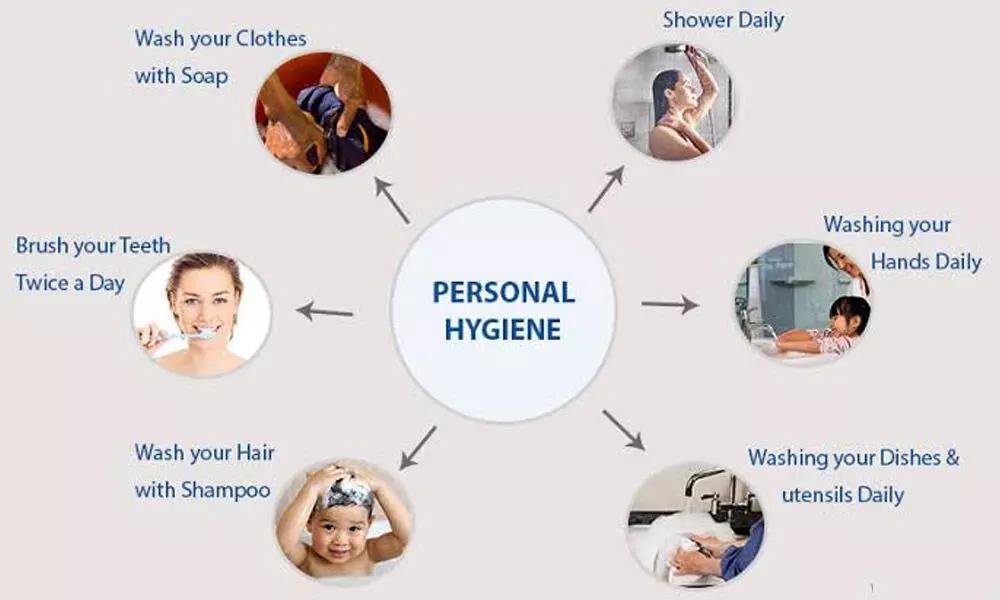
Personal hygiene refers to the daily practices individuals follow to keep their body clean, healthy, and free from disease-causing germs. It includes habits related to:
- Body cleanliness
- Hand hygiene
- Oral care
- Hair and nail care
- Clothing cleanliness
- Intimate hygiene
Good hygiene is a key part of preventive healthcare.

Why Is Personal Hygiene Important?
Maintaining personal hygiene helps to:
- Prevent infections and illnesses
- Stop the spread of germs
- Improve mental health and self-esteem
- Enhance social acceptance
- Promote a longer, healthier life
Poor hygiene can lead to skin infections, digestive issues, dental problems, and serious diseases.
Benefits of Maintaining Good Personal Hygiene
1. Prevents Diseases and Infections
Good hygiene blocks the entry and spread of harmful bacteria, viruses, and fungi. Proper handwashing alone can prevent:
- Flu and colds
- Diarrheal diseases
- Skin infections
- Eye and ear infections
Simple hygiene habits save lives.
2. Improves Physical Health
Maintaining cleanliness helps:
- Keep skin healthy
- Prevent body odor
- Reduce acne and rashes
- Improve digestion and immunity
A clean body functions better internally and externally.
3. Boosts Mental Health and Confidence
Good personal hygiene:
- Makes you feel fresh and confident
- Reduces anxiety and embarrassment
- Improves self-image
- Enhances mood and motivation
When you feel clean, you naturally feel more positive.
4. Enhances Social and Professional Life
People with good hygiene:
- Leave a positive impression
- Feel comfortable in social situations
- Perform better at work or school
- Build stronger relationships
Cleanliness reflects discipline and self-respect.
Daily Personal Hygiene Practices You Should Follow
1. Hand Hygiene (Most Important)
Wash your hands:
- Before eating
- After using the toilet
- After coughing or sneezing
- After touching dirty surfaces
Use soap and water for at least 20 seconds.
2. Daily Bathing and Body Care
Bathing removes:
- Sweat
- Dirt
- Dead skin cells
- Bacteria causing odor
Tips:
- Bathe daily or at least 4–5 times a week
- Focus on underarms, feet, and private areas
- Use mild soap to protect skin health

3. Oral Hygiene (Teeth & Mouth Care)
Good oral hygiene prevents:
- Bad breath
- Cavities
- Gum disease
- Tooth loss
Daily routine:
- Brush twice a day
- Floss once daily
- Rinse mouth after meals
- Replace toothbrush every 3 months
4. Hair and Scalp Hygiene
Clean hair:
- Prevents dandruff
- Reduces scalp infections
- Improves appearance
Wash hair:
- 2–3 times per week
- More often if oily or sweaty
- Use suitable shampoo for your hair type
5. Nail and Foot Hygiene 👣
Tips:
- Keep nails short and clean
- Wash feet daily
- Dry between toes
- Wear clean socks
- Avoid walking barefoot in dirty areas
This prevents fungal infections and bad odor.
6. Clean Clothing and Personal Items
Wear:
- Clean clothes daily
- Fresh undergarments
- Washed towels and bedsheets
Dirty clothes can carry bacteria and cause skin problems.
7. Intimate Hygiene (Men & Women)
Proper intimate hygiene:
- Prevents infections
- Reduces irritation and odor
- Supports reproductive health
Tips:
- Clean daily with water
- Avoid harsh chemicals
- Wear breathable cotton underwear
Hygiene Habits for Special Situations
✔ Hygiene During Illness
- Wash hands frequently
- Use separate towels
- Cover mouth when coughing
✔ Hygiene While Traveling
- Carry hand sanitizer
- Use wet wipes
- Drink clean water
✔ Hygiene for Children
- Teach handwashing early
- Supervise bathing
- Encourage clean habits daily
Common Hygiene Mistakes to Avoid
Skipping handwashing
Overusing strong chemicals
Wearing dirty clothes repeatedly
Ignoring oral hygiene
Not changing towels regularly
Balance cleanliness with skin care.
Tips to Build Long-Lasting Hygiene Habits
- Create a daily routine
- Use reminders
- Keep hygiene products accessible
- Teach family members
- Stay consistent
Good habits become automatic with time.
Personal Hygiene and Disease Prevention

Personal hygiene plays a major role in preventing:
- Viral infections
- Bacterial diseases
- Food poisoning
- Skin and eye conditions
Hygiene is your first line of defense.
FAQs:
1. What is personal hygiene?
Personal hygiene refers to keeping your body clean to prevent illness and maintain overall health. It includes habits like bathing, handwashing, oral care, and wearing clean clothes.
2. Why is personal hygiene important?
Good hygiene helps prevent infections, reduces the spread of germs, and improves confidence. It also protects you from diseases caused by bacteria and viruses.
3. How often should I bathe?
You should bathe at least once a day, especially in hot weather or after sweating. Regular bathing removes dirt, sweat, and bacteria from your skin.
4. How important is handwashing?
Handwashing is one of the most effective ways to prevent illness. You should wash your hands before eating, after using the toilet, and after touching dirty surfaces.
5. What are the basics of oral hygiene?
Brush your teeth twice a day, floss regularly, and use mouthwash if needed. This helps prevent cavities, bad breath, and gum disease.
Conclusion
Maintaining personal hygiene is one of the simplest yet most powerful ways to protect your health. Clean habits not only prevent disease but also improve confidence, comfort, and quality of life. You don’t need expensive products—consistency, awareness, and discipline are enough. Start with small changes today, and you will see big improvements in your health tomorrow. A clean body reflects a healthy mind and a responsible lifestyle.
for more click here..