Introduction to Early Health Awareness
Modern lifestyles bring hidden health risks that often remain unnoticed. Many conditions develop silently, without visible symptoms in the early stages. A consistent and informed approach to personal health can reduce these risks significantly.The idea behind how to detect diseases before they start has become central in preventive healthcare. Early identification leads to better outcomes, lower treatment costs, and improved quality of life.Health awareness, combined with regular monitoring, creates a strong foundation for long-term wellness. A structured routine helps maintain balance and reduces the chances of severe illness.
Early Identification Improves Long-Term Health Outcomes
Early identification plays a major role in maintaining health stability. Diseases detected at an early stage are easier to manage and often require less complex treatment.
The concept of how to detect diseases before they start supports:
- Reduced severity of illness
- Faster recovery periods
- Lower medical expenses
- Better daily functioning
Preventive care strengthens both physical and mental health, creating a balanced lifestyle.
Body Signals That Indicate Hidden Health Changes
The human body continuously provides signals. Subtle changes can indicate underlying health conditions that require attention.

Common Indicators:
- Persistent fatigue
- Sudden weight changes
- Irregular sleep patterns
- Digestive discomfort
- Skin changes or irritation
Recognizing these early signals contributes to the process of how to detect diseases before they start and supports timely action.
Medical Testing as a Preventive Strategy
Routine medical testing provides detailed insights into internal health conditions. Many diseases remain undetected without proper screening.
Essential Tests Include:
- Blood glucose levels
- Lipid profile
- Liver function analysis
- Kidney function screening
- Blood pressure monitoring
Regular testing strengthens efforts related to how to detect diseases before they start and ensures early intervention.
Genetic Awareness and Risk Assessment
Family medical history offers valuable information about potential health risks. Genetic patterns often influence disease development.
Conditions Linked to Family History:
- Cardiovascular disease
- Diabetes
- Hypertension
- Certain cancers
Awareness of genetic factors supports planning and enhances the effectiveness of how to detect diseases before they start.
Mental Health Monitoring and Its Role in Prevention
Mental well-being directly impacts physical health. Long-term stress weakens the immune system and increases vulnerability to illness.
Early Mental Indicators:
- Chronic stress
- Mood instability
- Sleep disturbances
- Reduced concentration
Balanced mental health contributes to better implementation of how to detect diseases before they start.

Technology and Continuous Health Monitoring
Modern technology offers advanced solutions for daily health tracking. These tools provide real-time insights and help identify irregular patterns.
Useful Devices:
- Smartwatches
- Fitness trackers
- Sleep monitoring systems
- Home diagnostic tools
Technology improves consistency in applying how to detect diseases before they start and supports proactive health management.
Lifestyle Habits That Reduce Disease Risk
Daily habits have a direct impact on long-term health outcomes. A disciplined lifestyle reduces the chances of developing chronic conditions.
Key Practices:
- Balanced nutrition
- Regular physical activity
- Adequate hydration
- Consistent sleep schedule
Healthy habits form the base for maintaining how to detect diseases before they start effectively.
Preventive Care and Vaccination
Preventive care reduces exposure to infectious diseases. Vaccination strengthens the immune system and protects against serious conditions.
Preventive Measures:
- Routine immunization
- Personal hygiene practices
- Regular medical consultation
Preventive care supports the goal of how to detect diseases before they start and ensures long-term protection.
Screening and Early Diagnosis
Screening plays an important role in identifying diseases at an early stage. Many serious conditions do not show symptoms initially.
Important Screenings:
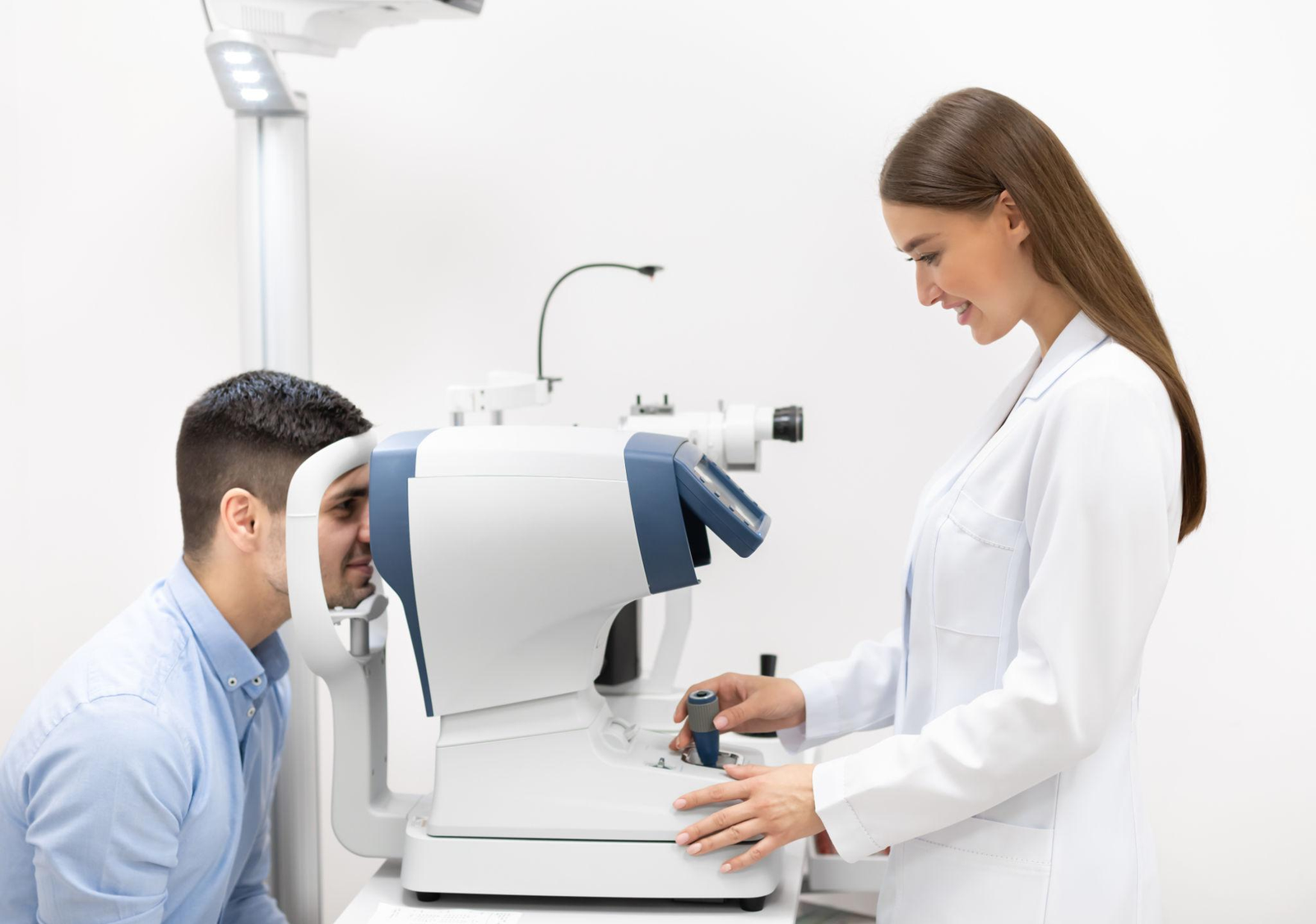
- Cancer screening
- Eye examination
- Dental checkups
Screening enhances the process of how to detect diseases before they start and improves treatment outcomes.
Symptoms That Require Immediate Medical Attention
Certain symptoms indicate the need for urgent care and should not be ignored.
Critical Signs:
- Chest discomfort
- Breathing difficulty
- Sudden weakness
- Severe headaches
Timely response improves outcomes and supports how to detect diseases before they start effectively.
Preventive Routine for Consistent Health Monitoring
Consistency plays a major role in maintaining health. A structured routine ensures continuous monitoring.
Weekly Activities:
- Exercise
- Sleep tracking
Monthly Activities:
- Weight monitoring
- Diet evaluation
Yearly Activities:
- Complete health checkup
Routine management strengthens the system of how to detect diseases before they start.
Future Developments in Early Detection
Healthcare technology continues to advance rapidly. New systems provide more accurate and faster detection methods.
Emerging Innovations:
- Artificial intelligence diagnostics
- Wearable biosensors
- Genetic screening technologies
- Remote monitoring systems
These developments improve the efficiency of how to detect diseases before they start and expand access to healthcare.
Risk Factors That Increase Disease Chances
Certain conditions develop more rapidly when risk factors are present. Identifying these factors early supports the system of how to detect diseases before they start and improves long-term health stability. A proactive approach allows timely lifestyle adjustments and reduces the chances of serious complications.
Common Risk Factors
- Sedentary lifestyle with minimal physical activity
- High intake of processed foods and sugar
- Smoking and alcohol consumption
- Excess body weight and obesity
- Chronic stress and mental fatigue
- Irregular sleep patterns
Monitoring these factors regularly strengthens awareness and helps maintain balance. Addressing these risks plays a key role in how to detect diseases before they start and ensures better control over health outcomes.
Role of Immune System in Early Detection
The immune system often reacts before a condition becomes severe. Subtle responses from the body can indicate internal imbalance and signal the need for attention. Recognizing these early responses helps maintain consistency in how to detect diseases before they start.
Early Immune Responses
- Frequent minor infections
- Slow healing of wounds
- Persistent tiredness
- Mild recurring fever
A strong immune system not only protects against illness but also acts as an early indicator of health issues. Supporting immunity through proper nutrition and rest enhances the ability related to how to detect diseases before they start.
Importance of Regular Vital Monitoring
Vital signs provide continuous insight into internal health conditions. Even small variations can signal the beginning of a health issue. Regular tracking supports early identification and aligns with how to detect diseases before they start.
Key Vital Signs to Monitor
- Blood pressure
- Heart rate
- Body temperature
- Oxygen saturation
Consistent monitoring improves awareness and allows early action. Keeping track of these indicators helps maintain stability and reduces the risk of complications.
Hormonal Balance and Early Health Indicators
Hormones regulate many essential functions in the body. Imbalance in hormone levels can appear before visible symptoms of disease. Observing these changes contributes to how to detect diseases before they start.
Common Signs of Hormonal Imbalance
- Unexplained weight changes
- Mood fluctuations
- Hair thinning or loss
- Sleep disturbances
Maintaining hormonal balance through proper diet, exercise, and medical guidance supports early detection and improves overall well-being.
Stress Management and Disease Prevention
Stress has a direct impact on physical health. Long-term stress affects immunity, heart health, and metabolism. Managing stress effectively improves the system of how to detect diseases before they start.
Stress Management Techniques
- Meditation and relaxation exercises
- Deep breathing practices
- Regular physical activity
- Structured daily routine
Reducing stress levels enhances mental clarity and supports better decision-making related to health monitoring.
Nutrition-Based Early Prevention
Diet plays a major role in maintaining internal balance. Proper nutrition supports organ function and strengthens the immune system. A balanced diet contributes to how to detect diseases before they start by keeping the body stable.
Recommended Dietary Habits
- Include fresh fruits and vegetables
- Consume whole grains regularly
- Choose lean protein sources
- Add healthy fats in moderation
Nutritional balance improves energy levels and reduces the likelihood of developing chronic conditions.
Role of Professional Medical Advice
Professional guidance ensures accurate interpretation of symptoms and test results. Self-monitoring is useful, but medical expertise provides clarity and direction.
Doctors assist with:
- Risk evaluation
- Preventive care planning
- Personalized health strategies
Regular consultation enhances the effectiveness of how to detect diseases before they start and ensures timely intervention when needed.
Data Tracking and Health Journaling
Recording daily health patterns helps identify changes over time. Consistent tracking reveals trends that may not be noticeable otherwise. This practice supports how to detect diseases before they start.
Important Data to Track
- Sleep duration and quality
- Daily energy levels
- Dietary habits
- Physical activity
Health journaling improves consistency and allows better awareness of body patterns.
Age-Based Preventive Care
Health needs change with age. Different stages of life require different preventive measures. Structured planning improves the process of how to detect diseases before they start.
General Guidelines
- 20s–30s: Focus on lifestyle and basic screening
- 30s–40s: Monitor heart health and hormones
- 40+: Regular screening for chronic conditions
Age-based strategies ensure appropriate care and early identification of potential risks.
Natural Preventive Approaches
Natural methods support long-term health and complement medical care. Consistent habits help maintain balance and reduce risk factors.
Healthy Practices
- Regular sunlight exposure
- Adequate hydration
- Daily physical movement
- Balanced natural diet
These approaches strengthen the foundation of how to detect diseases before they start and support overall wellness.
Common Mistakes in Early Detection
Many individuals overlook early signs due to common mistakes. Avoiding these errors improves accuracy in how to detect diseases before they start.
Mistakes to Avoid
- Ignoring mild symptoms
- Skipping routine checkups
- Self-diagnosing without proper tests
- Inconsistent health monitoring
Awareness of these mistakes helps improve decision-making and supports timely action.
🧾 Conclusion for Long–Term Health Stability
Consistent awareness and regular monitoring create a strong defense against disease. Preventive strategies reduce risks and improve overall well-being.The approach of how to detect diseases before they start allows individuals to maintain control over their health and build a stable future.A combination of healthy habits, medical support, and modern technology ensures long-term wellness and reduces the likelihood of serious health conditions.
❓ FAQ Section for Search Optimization
Early detection benefits
Improved recovery rates, lower costs, and better quality of life.
Recommended checkup frequency
Annual testing with additional screening based on risk factors.
Role of monitoring devices
Continuous tracking helps identify abnormal patterns early.
for more click here…