
Introduction
Cancer treatment involves a combination of medical therapies designed to destroy cancer cells, slow disease progression, relieve symptoms, and improve quality of life. Modern treatment options include surgery, chemotherapy, radiation therapy, immunotherapy, targeted therapy, hormone therapy, stem cell transplantation, and precision medicine. The most effective treatment depends on the cancer type, stage, genetic characteristics, and overall patient health. Early diagnosis and personalized treatment planning significantly improve survival rates and long-term outcomes. Working with experienced oncologists and specialized cancer centers ensures patients receive advanced care, comprehensive support, and the latest evidence-based therapies throughout every stage of their cancer journey.
Understanding Cancer Treatment Options For Better Recovery
Modern cancer treatment includes several medical approaches designed to eliminate cancer cells while protecting healthy tissues whenever possible. Doctors develop personalized treatment plans based on cancer type, stage, genetic mutations, patient age, and overall health. Common therapies include surgery, chemotherapy, radiation therapy, immunotherapy, targeted therapy, hormone therapy, and stem cell transplantation. Many patients receive a combination of treatments for the best outcomes. Personalized medical care increases treatment effectiveness while reducing complications and improving long-term survival rates through evidence-based clinical strategies.
Early Cancer Diagnosis Improves Treatment Success Significantly Today
Early detection greatly improves the success of cancer treatment by identifying tumors before they spread to other organs. Routine screenings, diagnostic imaging, laboratory testing, biopsies, and genetic evaluations help physicians diagnose cancer at earlier stages. Earlier diagnosis often allows less aggressive treatments, shorter recovery times, and higher survival rates. Prompt medical evaluation after unusual symptoms also improves outcomes. Preventive healthcare and regular screenings remain essential for reducing cancer-related complications and improving long-term quality of life.
Choosing Personalized Cancer Treatment Plans For Better Outcomes
Every cancer treatment plan should be customized according to the patient’s diagnosis, cancer stage, genetic profile, lifestyle, and overall medical condition. Personalized medicine allows oncologists to select therapies that offer the highest probability of success while minimizing side effects. Treatment planning often includes multidisciplinary teams consisting of oncologists, surgeons, radiologists, pathologists, and specialized nurses. Individualized care improves treatment precision and supports better physical and emotional recovery throughout the cancer journey.
Surgery Remains Essential For Many Cancer Treatments Today
Surgery continues to play a critical role in cancer treatment for many localized cancers. Surgeons remove tumors, nearby tissues, and affected lymph nodes while preserving as much healthy tissue as possible. Surgical procedures may be combined with chemotherapy or radiation before or after surgery to improve outcomes. Advances in minimally invasive and robotic-assisted surgery reduce recovery time, minimize complications, and improve overall patient experiences. Early surgical intervention frequently offers the best chance for long-term disease control.
Chemotherapy Helps Destroy Rapidly Growing Cancer Cells Effectively
Chemotherapy remains one of the most widely used forms of cancer treatment. Powerful medications circulate throughout the body to destroy rapidly dividing cancer cells and reduce tumor growth. Chemotherapy may be administered before surgery, after surgery, or as the primary treatment for advanced cancers. Modern supportive medications help reduce common side effects such as nausea, fatigue, and infections. Careful monitoring allows physicians to adjust treatment plans for maximum effectiveness and patient safety.
Common Goals Of Cancer Treatment Include
- Eliminate cancer cells
- Shrink tumor size
- Prevent cancer spread
- Reduce symptoms
- Improve quality of life
- Extend survival
- Prevent recurrence
- Preserve healthy organs
- Support emotional wellbeing
- Improve long-term recovery
Radiation Therapy Targets Cancer Cells With Precision Today
Radiation therapy remains an important component of cancer treatment by using high-energy radiation to destroy cancer cells while minimizing damage to surrounding healthy tissue. Radiation may be delivered externally or internally depending on the cancer type and location. Treatment commonly complements surgery and chemotherapy for many cancers. Modern radiation technologies improve accuracy, reduce side effects, and enhance treatment effectiveness through carefully planned precision targeting.
Table 1: Major Cancer Treatment Options
| Treatment Method | Primary Purpose |
|---|---|
| Surgery | Remove cancerous tumors |
| Chemotherapy | Destroy cancer cells |
| Radiation Therapy | Target localized tumors |
| Immunotherapy | Boost immune response |
| Targeted Therapy | Attack specific cancer cells |
| Hormone Therapy | Block hormone-sensitive cancers |
| Stem Cell Transplant | Restore bone marrow |
| Precision Medicine | Personalized treatment planning |
| Palliative Care | Relieve symptoms |
| Clinical Trials | Access innovative therapies |
Targeted Therapy Provides Highly Personalized Cancer Care Today
Targeted therapy represents an advanced form of cancer treatment designed to attack specific genetic mutations or proteins responsible for cancer growth. Unlike traditional chemotherapy, targeted medications focus primarily on cancer cells while reducing damage to healthy tissues. Genetic testing identifies patients most likely to benefit from these therapies. Precision medicine improves treatment success, minimizes unnecessary side effects, and supports personalized oncology care based on molecular characteristics.
Hormone Therapy Controls Certain Hormone Sensitive Cancers Effectively
Hormone therapy plays an important role in cancer treatment for breast, prostate, and several hormone-sensitive cancers. These medications reduce hormone production or block hormone receptors that stimulate cancer growth. Hormone therapy may be used alone or combined with surgery, radiation, or chemotherapy. Careful medical monitoring ensures effective long-term disease management while minimizing treatment-related complications. Personalized hormonal strategies improve patient outcomes and disease control.
Healthy Lifestyle Habits During Cancer Treatment Include
- Eat balanced nutritious meals
- Stay physically active
- Drink adequate water
- Follow medication schedules
- Attend medical appointments
- Get sufficient sleep
- Manage emotional stress
- Avoid tobacco products
- Limit alcohol consumption
- Maintain infection prevention
Stem Cell Transplantation Supports Blood Cancer Recovery Successfully
Stem cell transplantation offers specialized cancer treatment for leukemia, lymphoma, multiple myeloma, and certain blood disorders. Healthy stem cells replace damaged bone marrow following intensive chemotherapy or radiation therapy. Transplantation restores blood cell production while supporting immune system recovery. Careful patient selection and specialized medical supervision improve transplant success and long-term survival. Advances in transplantation continue improving outcomes for eligible patients.
Clinical Trials Expand Future Cancer Treatment Opportunities Continuously
Clinical trials play an essential role in advancing cancer treatment by evaluating innovative medications, surgical techniques, immunotherapies, targeted therapies, and precision medicine approaches. Participation provides eligible patients access to promising therapies before widespread availability. Clinical research also helps physicians improve future standards of care while expanding treatment options for many cancer types. Scientific innovation continues improving survival and patient quality of life.
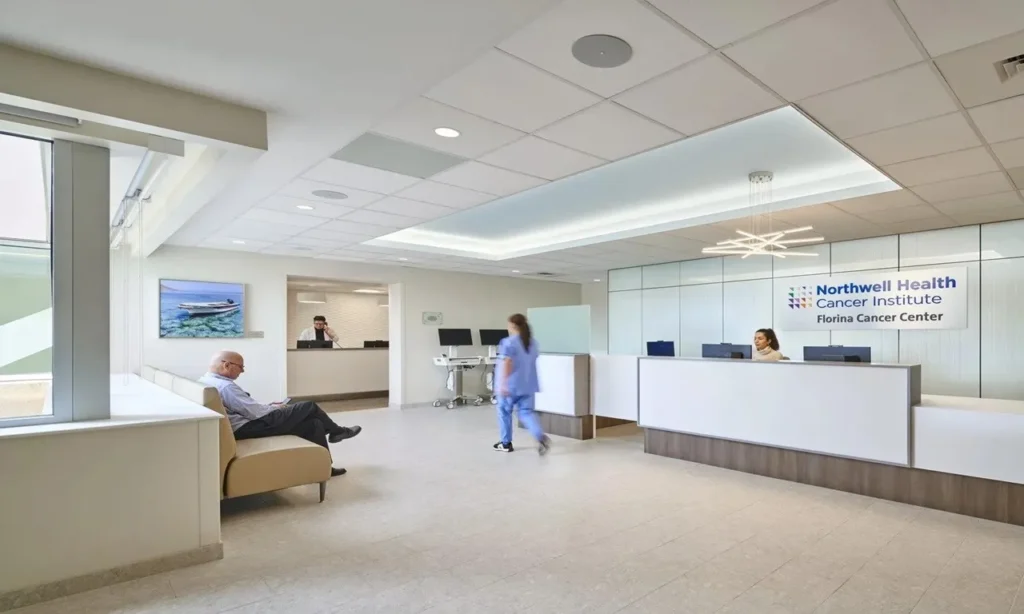
Managing Cancer Treatment Side Effects Improves Patient Comfort
Managing side effects remains an essential component of successful cancer treatment. Physicians address nausea, fatigue, infections, pain, appetite changes, anemia, nerve damage, and emotional distress using supportive medications, nutritional guidance, rehabilitation, and counseling services. Comprehensive supportive care improves physical comfort while helping patients complete recommended treatment plans. Early management significantly enhances quality of life throughout therapy.
Emotional Support Strengthens Cancer Recovery Throughout Treatment Journey
Emotional wellbeing remains equally important during cancer treatment. Counseling, family support, cancer support groups, psychologists, social workers, and spiritual care providers help patients manage anxiety, depression, fear, and uncertainty. Strong emotional support improves resilience while encouraging treatment adherence and healthier coping strategies. Comprehensive cancer care addresses both physical and emotional recovery to improve overall patient outcomes.
Choosing Specialized Cancer Treatment Centers Improves Patient Outcomes
Selecting experienced oncology specialists and accredited cancer centers significantly improves cancer treatment outcomes. Specialized centers offer multidisciplinary teams, advanced diagnostic technologies, clinical trials, personalized medicine, and comprehensive supportive care. Patients benefit from coordinated treatment planning and access to the latest evidence-based therapies. Receiving care from experienced oncology professionals increases survival opportunities while improving overall quality of life throughout treatment.
Precision Medicine Revolutionizes Modern Cancer Treatment Approaches Today
Modern cancer treatment increasingly relies on precision medicine, which uses genetic testing and molecular profiling to identify therapies specifically suited to each patient’s cancer. Instead of applying identical treatments to every patient, oncologists select medications based on unique genetic mutations and tumor characteristics. Personalized therapy improves treatment effectiveness while reducing unnecessary side effects. Precision medicine also helps physicians predict treatment responses and adjust strategies throughout care. Continuous scientific advances are making individualized oncology treatment the future of cancer management worldwide.
Genetic Testing Supports Personalized Cancer Treatment Planning Today
Genetic testing has become an essential part of advanced cancer treatment because it identifies inherited and acquired genetic mutations associated with different cancers. Test results help physicians determine targeted therapies, estimate recurrence risks, evaluate family history, and guide preventive healthcare decisions. Personalized genetic information enables more accurate diagnosis and individualized treatment planning. Modern molecular testing improves clinical outcomes while allowing patients to receive therapies that best match their specific cancer profile and medical condition.
Nutrition Plays Important Role During Cancer Treatment Recovery
Proper nutrition significantly improves cancer treatment outcomes by supporting immune function, maintaining muscle strength, reducing fatigue, and improving overall recovery. Dietitians recommend balanced meals containing lean proteins, whole grains, fruits, vegetables, healthy fats, and adequate hydration. Individual nutritional plans address appetite changes, digestive issues, weight loss, and treatment side effects. Maintaining proper nutrition enhances energy levels while supporting healing throughout therapy. Healthy eating remains an important component of comprehensive cancer care.
Exercise Supports Physical Strength Throughout Cancer Treatment Journey
Regular physical activity can greatly improve cancer treatment recovery by maintaining muscle strength, improving cardiovascular health, reducing fatigue, and supporting emotional wellbeing. Physicians often recommend walking, stretching, light resistance exercises, yoga, or supervised rehabilitation programs according to each patient’s condition. Exercise also improves sleep quality and overall quality of life. Personalized fitness plans help patients remain active safely while minimizing complications during treatment. Consistent movement contributes to stronger long-term recovery outcomes.
Pain Management Improves Cancer Treatment Quality Of Life Significantly
Pain management remains an important aspect of successful cancer treatment. Physicians utilize medications, nerve blocks, radiation therapy, physical rehabilitation, counseling, and palliative care techniques to reduce discomfort caused by cancer or its treatment. Effective pain control allows patients to maintain daily activities and complete recommended therapies more comfortably. Comprehensive symptom management improves emotional wellbeing while enhancing treatment adherence. Individualized pain management plans support better overall patient experiences throughout cancer care.
Daily Self Care During Cancer Treatment Includes
- Eat nutritious balanced meals
- Stay well hydrated
- Exercise as recommended
- Get enough sleep
- Take medications correctly
- Practice infection prevention
- Attend follow-up appointments
- Manage emotional stress
- Report new symptoms immediately
- Stay connected with family
Table 2: Common Cancer Treatment Side Effects
| Side Effect | Management Strategy |
|---|---|
| Fatigue | Rest and light exercise |
| Nausea | Anti-nausea medication |
| Hair Loss | Protective scalp care |
| Appetite Loss | Nutritional counseling |
| Pain | Pain management therapy |
| Infection Risk | Preventive hygiene measures |
| Mouth Sores | Oral care routine |
| Anemia | Medical monitoring |
| Emotional Stress | Counseling and support |
| Sleep Problems | Healthy sleep habits |
Cancer Rehabilitation Supports Long Term Functional Recovery Today
Cancer rehabilitation has become an important part of modern cancer treatment by helping patients regain strength, mobility, independence, and daily functioning after therapy. Rehabilitation specialists develop personalized programs including physical therapy, occupational therapy, speech therapy, nutritional counseling, and psychological support. Early rehabilitation reduces disability while improving long-term recovery. Comprehensive rehabilitation enhances physical performance and supports successful reintegration into normal daily life after treatment.
Follow Up Care Prevents Future Cancer Complications Successfully
Long-term follow-up remains essential after completing cancer treatment. Regular medical appointments allow physicians to monitor recovery, detect recurrence early, evaluate long-term side effects, and manage ongoing health concerns. Follow-up care often includes imaging studies, laboratory tests, physical examinations, and lifestyle counseling. Continuous monitoring improves long-term survival while helping patients maintain better overall health. Consistent medical supervision remains vital after successful cancer therapy.
Cancer Survivorship Requires Comprehensive Long Term Healthcare Planning
Successful cancer treatment often marks the beginning of long-term survivorship care. Survivors benefit from personalized healthcare plans addressing physical recovery, emotional wellbeing, healthy lifestyle habits, preventive screenings, fertility concerns, employment issues, and future medical monitoring. Comprehensive survivorship programs improve long-term quality of life while supporting ongoing health maintenance. Personalized planning helps patients transition confidently beyond active cancer therapy.

Family Support Strengthens Every Cancer Treatment Recovery Journey
Family involvement plays a valuable role during cancer treatment by providing emotional encouragement, transportation assistance, medication reminders, nutritional support, and practical caregiving. Strong family communication reduces anxiety while helping patients remain motivated throughout therapy. Caregivers also benefit from education and counseling that improves caregiving skills and emotional resilience. Collaborative family support strengthens recovery while improving treatment adherence and patient wellbeing.
Questions Patients Should Ask Their Oncologist Today
- What type of cancer do I have?
- What treatment options are available?
- What are possible side effects?
- How successful is this treatment?
- Will I need surgery?
- Should genetic testing be performed?
- Are clinical trials available?
- How long will treatment last?
- What lifestyle changes are recommended?
- How often are follow-up visits required?
Advanced Imaging Improves Cancer Diagnosis And Monitoring Today
Modern imaging technologies strengthen cancer treatment by improving diagnosis, staging, treatment planning, and response monitoring. CT scans, MRI, PET scans, ultrasound, and molecular imaging help physicians visualize tumors with remarkable precision. Advanced imaging identifies treatment effectiveness while detecting recurrence earlier than traditional methods. Improved diagnostic accuracy supports better clinical decisions and personalized treatment planning throughout the cancer journey.
Artificial Intelligence Advances Future Cancer Treatment Development Today
Artificial intelligence is transforming cancer treatment through improved diagnostic accuracy, predictive analytics, personalized therapy selection, medical imaging interpretation, and clinical decision support. AI technologies analyze enormous datasets faster than traditional methods, helping physicians identify treatment opportunities with greater precision. Ongoing research continues expanding AI applications that improve patient outcomes while supporting more efficient oncology care. Technology remains a driving force behind future cancer innovations.
Continuous Medical Research Improves Cancer Treatment Success Worldwide
Scientific research continues improving cancer treatment by developing safer medications, innovative immunotherapies, targeted drugs, advanced surgical techniques, and precision medicine approaches. International collaboration allows researchers to evaluate new therapies through clinical trials and evidence-based studies. Continuous innovation increases survival rates while improving quality of life for millions of patients. Medical research remains essential for advancing the future of global cancer care.
Choosing Comprehensive Cancer Treatment Creates Better Recovery Outcomes
Selecting experienced oncology specialists and comprehensive cancer treatment programs provides patients with personalized care, advanced technology, multidisciplinary expertise, supportive services, and evidence-based therapies. Coordinated healthcare teams develop individualized treatment plans that maximize effectiveness while minimizing unnecessary complications. Comprehensive cancer centers also provide rehabilitation, counseling, nutritional support, survivorship planning, and ongoing monitoring. Professional oncology care remains one of the strongest factors influencing successful recovery and long-term health.
Table 3: Healthy Habits During Cancer Treatment
| Healthy Habit | Benefit |
|---|---|
| Balanced Nutrition | Supports healing |
| Daily Hydration | Prevents dehydration |
| Light Exercise | Maintains strength |
| Quality Sleep | Improves recovery |
| Medication Compliance | Better treatment success |
| Stress Management | Improves wellbeing |
| Infection Prevention | Reduces complications |
| Follow-Up Visits | Early problem detection |
| Emotional Support | Better mental health |
| Tobacco Avoidance | Improves outcomes |
Cancer Screening Supports Earlier Treatment And Better Survival
Routine cancer screening plays a vital role in improving cancer treatment outcomes by detecting disease before symptoms appear. Mammograms, colonoscopies, Pap tests, low-dose CT scans, prostate screenings, skin examinations, and genetic risk assessments help identify cancers at their earliest stages. Early diagnosis allows less aggressive therapies and higher survival rates. Preventive screening also reduces healthcare costs while improving patient quality of life. Regular medical checkups remain essential for long-term cancer prevention and early intervention.
Advanced Surgical Techniques Improve Cancer Treatment Recovery Today
Modern surgical innovations have significantly improved cancer treatment by reducing recovery times and minimizing complications. Robotic-assisted surgery, laparoscopic procedures, image-guided operations, and minimally invasive techniques allow surgeons to remove tumors with greater precision while preserving healthy tissue. These advancements reduce pain, shorten hospital stays, and improve postoperative recovery. Technological improvements continue increasing surgical success while supporting better long-term patient outcomes and quality of life.
Blood Cancer Treatments Continue Advancing Through Research Today
Modern cancer treatment for leukemia, lymphoma, and multiple myeloma has improved dramatically through targeted therapies, stem cell transplantation, immunotherapy, CAR-T cell therapy, and precision medicine. Specialized treatment plans are tailored according to disease subtype, genetic characteristics, and patient health. Continuous research has increased survival rates while reducing complications. Personalized blood cancer care offers patients greater hope through innovative therapies and improved long-term disease management.
Precision Radiation Therapy Minimizes Healthy Tissue Damage Today
Precision radiation remains an essential component of advanced cancer treatment because it accurately targets tumors while limiting exposure to surrounding healthy tissues. Technologies including intensity-modulated radiation therapy, stereotactic radiosurgery, image-guided radiation therapy, and proton therapy improve treatment accuracy. Enhanced precision reduces side effects while improving tumor control. Modern radiation innovations continue transforming oncology by delivering safer and more effective therapeutic outcomes.
Essential Habits Supporting Better Cancer Recovery Daily
- Follow every treatment schedule
- Maintain healthy nutrition
- Stay physically active safely
- Drink enough water daily
- Sleep at least eight hours
- Manage stress effectively
- Avoid tobacco completely
- Limit alcohol consumption
- Attend follow-up appointments
- Report symptoms immediately
Mental Health Care Supports Cancer Treatment Success Always
Emotional wellbeing remains a critical part of successful cancer treatment because anxiety, depression, fear, and uncertainty commonly affect patients during therapy. Mental health professionals provide counseling, stress management, behavioral therapy, family education, and emotional support throughout treatment. Comprehensive psychological care improves resilience while helping patients cope with medical challenges. Strong emotional support contributes to better treatment adherence and improved quality of life throughout recovery.
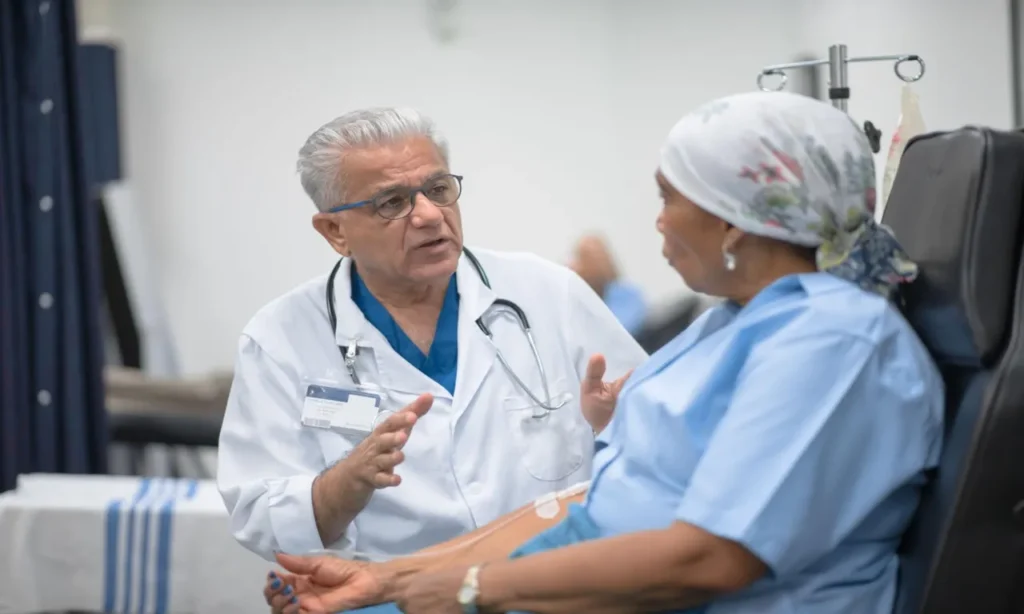
Financial Planning Helps Manage Cancer Treatment Expenses Better
The financial impact of cancer treatment can be significant due to hospital care, medications, surgery, imaging, laboratory tests, rehabilitation, and follow-up visits. Financial counselors assist patients with insurance benefits, payment plans, government assistance programs, charitable organizations, and healthcare resources. Careful financial planning reduces stress while improving access to necessary treatments. Professional guidance helps families manage medical expenses more effectively throughout the cancer journey.
Caregiver Education Improves Patient Support Throughout Treatment Journey
Family caregivers play an essential role during cancer treatment by helping patients manage medications, transportation, nutrition, appointments, emotional wellbeing, and home care responsibilities. Educational programs teach caregivers how to recognize complications, provide safe assistance, and communicate effectively with healthcare providers. Well-informed caregivers improve patient safety while reducing unnecessary hospital visits. Strong caregiver involvement enhances recovery and strengthens long-term treatment success.
Cancer Prevention Reduces Future Treatment Requirements Significantly Today
Preventive healthcare reduces the future need for cancer treatment through healthy lifestyle choices and early medical intervention. Avoiding tobacco, limiting alcohol, maintaining a healthy weight, exercising regularly, eating nutritious foods, protecting skin from ultraviolet exposure, receiving recommended vaccinations, and attending routine screenings significantly lower cancer risk. Prevention remains one of the most effective strategies for reducing disease burden and improving public health outcomes.
Long Term Monitoring Protects Cancer Survivors From Recurrence
Successful cancer treatment requires continued monitoring long after therapy has ended. Physicians schedule regular examinations, imaging studies, blood tests, and health assessments to detect recurrence or late treatment effects as early as possible. Long-term surveillance supports prompt intervention while maintaining overall health. Personalized follow-up plans help survivors preserve physical wellbeing and confidently manage life after active cancer treatment.
Questions Patients Should Discuss Before Starting Treatment
- What cancer stage do I have?
- Which treatment is recommended?
- What are expected side effects?
- How long will treatment continue?
- What are success rates?
- Will fertility be affected?
- Are clinical trials available?
- How often are follow-up visits needed?
- What lifestyle changes should I make?
- How can side effects be managed?
Emerging Therapies Continue Transforming Cancer Treatment Worldwide Today
Medical innovation continues advancing cancer treatment through gene therapy, personalized vaccines, nanotechnology, engineered immune cells, precision diagnostics, and advanced molecular therapies. Researchers worldwide are developing safer and more effective treatments that improve survival while minimizing side effects. Ongoing clinical research creates new opportunities for patients facing complex cancers. Scientific progress continues transforming the future of oncology care.
Global Collaboration Accelerates Cancer Research And Treatment Progress
International collaboration has significantly improved cancer treatment by allowing researchers, hospitals, universities, pharmaceutical companies, and healthcare organizations to share scientific discoveries and clinical trial results. Global cooperation accelerates drug development, improves treatment guidelines, and expands access to innovative therapies. Collaborative research strengthens worldwide cancer care while improving survival rates across diverse patient populations.
Table 4: Cancer Treatment Support Team
| Healthcare Professional | Primary Role |
|---|---|
| Medical Oncologist | Oversees treatment |
| Surgical Oncologist | Performs surgery |
| Radiation Oncologist | Delivers radiation therapy |
| Oncology Nurse | Daily patient care |
| Pathologist | Confirms diagnosis |
| Radiologist | Medical imaging |
| Nutritionist | Diet planning |
| Physical Therapist | Rehabilitation support |
| Psychologist | Emotional counseling |
| Palliative Care Specialist | Symptom management |
Building Hope Throughout Every Cancer Treatment Journey Together
Hope remains one of the strongest emotional resources during cancer treatment. Modern medicine continues improving survival through innovative therapies, personalized treatment plans, multidisciplinary care, supportive services, rehabilitation, and ongoing research. Patients who receive comprehensive medical care, emotional support, healthy lifestyle guidance, and regular follow-up often experience better outcomes. Strong partnerships between patients, families, and healthcare teams foster resilience while supporting recovery and long-term wellbeing.
Choosing Comprehensive Cancer Treatment Improves Recovery Success Today
Selecting experienced oncology specialists and comprehensive cancer treatment programs provides access to advanced technology, personalized medicine, multidisciplinary expertise, supportive care, rehabilitation, nutritional counseling, psychological services, and evidence-based therapies. Coordinated healthcare teams create individualized treatment plans that maximize effectiveness while minimizing unnecessary complications. Professional cancer centers remain essential for improving survival, enhancing quality of life, and supporting long-term recovery for patients facing every stage of cancer.
Frequently Asked Questions
What is cancer treatment?
- Cancer treatment includes medical therapies such as surgery, chemotherapy, radiation, immunotherapy, targeted therapy, and hormone therapy to treat or control cancer.
Which cancer treatment is most effective?
- The most effective treatment depends on the cancer type, stage, genetic profile, and the patient’s overall health.
Can cancer be completely cured?
- Many cancers can be cured when diagnosed early and treated with an appropriate personalized treatment plan.
What are the common side effects of cancer treatment?
- Common side effects include fatigue, nausea, hair loss, appetite changes, pain, infections, and temporary weakness.
How long does cancer treatment usually take?
- Treatment duration varies from several weeks to many months depending on the cancer type and treatment approach.
Can healthy lifestyle habits improve cancer treatment results?
- Yes. Proper nutrition, exercise, adequate sleep, hydration, and regular medical follow-ups support better recovery and overall treatment success.
Conclusion
Modern cancer treatment continues evolving through personalized medicine, precision diagnostics, advanced surgery, immunotherapy, targeted therapy, radiation therapy, and innovative clinical research. Successful treatment depends on early diagnosis, experienced oncology specialists, individualized care plans, healthy lifestyle choices, and continuous medical monitoring. Comprehensive cancer centers provide multidisciplinary support including nutritional counseling, rehabilitation, psychological care, pain management, and survivorship planning to improve every aspect of recovery. Whether facing an early-stage diagnosis or advanced disease, patients benefit from evidence-based therapies and compassionate healthcare teams. Choosing professional cancer treatment empowers patients with greater confidence, improved quality of life, stronger recovery opportunities, and better long-term survival outcomes through modern medical innovation.