Introduction
Modern life has transformed the way humans eat, sleep, work, and move. While technology has improved comfort and productivity, it has also created a silent epidemic of lifestyle-related diseases. Heart disease, obesity, diabetes, chronic stress, insomnia, and mental health disorders are rising globally — not because of genetics, but because of daily habits.Healthy living today is no longer about short-term dieting or occasional workouts. It is about building a sustainable lifestyle that supports long-term physical health, mental stability, emotional resilience, and disease prevention.

The 5 Pillars of Health
- Physical health
- Mental health
- Nutrition
- Sleep
- Lifestyle habits
When one pillar weakens, the others follow. For example:
- Poor sleep increases hunger hormones.
- Chronic stress weakens immunity.
- Bad nutrition reduces energy and mood.
Health is a system — not a single habit.
2. The Health Risks of Modern Living
Modern living has introduced several health risks due to sedentary lifestyles, poor diet choices, and excessive screen time. Lack of physical activity can lead to obesity, heart disease, and weak muscles. Fast food and processed meals often lack essential nutrients, affecting overall health. Increased stress and irregular sleep patterns further harm mental and physical well-being. Over time, these habits can weaken immunity and increase the risk of chronic diseases, making it important to adopt healthier daily routines.
3. The Science of Preventive Health
Preventive healthcare focuses on avoiding disease before it starts.
Studies show that 80% of chronic diseases are preventable through lifestyle changes.
Diseases strongly linked to lifestyle:
- Heart disease
- Type 2 diabetes
- Obesity
- Stroke
- Certain cancers
- Depression and anxiety
Your daily routine is your strongest medicine.
4. Building a Healthy Daily Routine
Healthy living starts with your daily schedule.

The Ideal Daily Health Routine
Morning
- Wake up at consistent time
- Drink water
- Get sunlight exposure
- Eat balanced breakfast
Daytime
- Stay physically active
- Eat nutritious meals
- Manage stress
Evening
- Light dinner
- Reduce screen time
- Relaxation routine
- Sleep on time
Consistency is more powerful than intensity.
5. Nutrition — The Foundation of Health
Food is the most powerful factor influencing health.
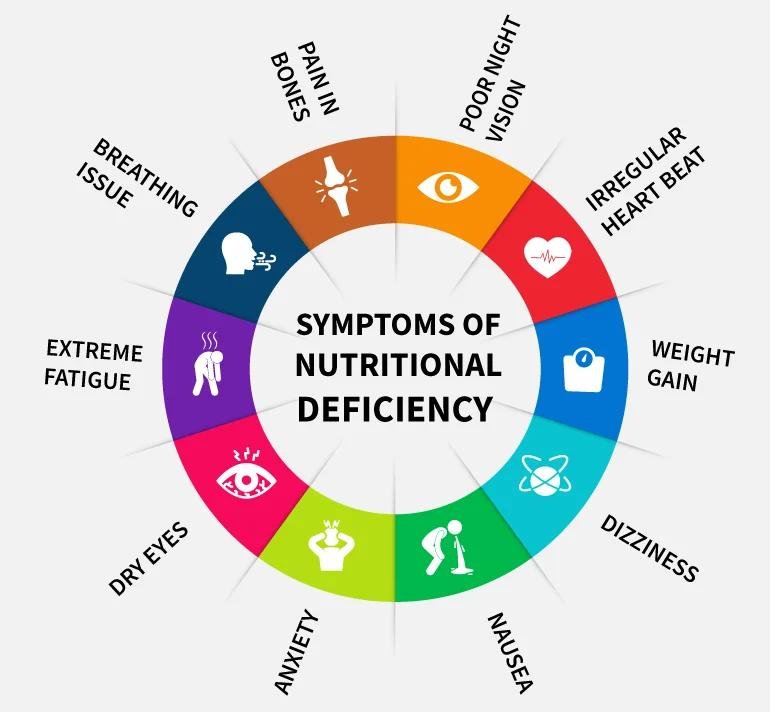
Unhealthy diets lead to:
- Inflammation
- Hormonal imbalance
- Insulin resistance
- Weight gain
- Energy crashes
- Weak immunity
Nutrition affects every cell in your body..1 The Balanced Plate Model
A balanced meal should include:
- 50% vegetables and fruits
- 25% protein
- 25% complex carbohydrates
- Healthy fats in small amounts
This balance stabilizes blood sugar and energy.5.2 Macronutrients Explained
Protein
Essential for:
- Muscle repair
- Hormone production
- Immune function
Healthy sources:
- Eggs
- Fish
- Chicken
- Beans
- Lentils
- Greek yogurt
Carbohydrates
Primary energy source.
Choose complex carbs:
- Brown rice
- Oats
- Whole grains
- Sweet potatoes
Avoid refined carbs:
- White bread
- Sugary cereals
- Soft drinks
Healthy Fats
Necessary for brain and hormone health.
Best sources:
- Avocados
- Nuts
- Olive oil
- Fatty fish
6. Hydration — The Forgotten Health Tool
The human body is ~60% water.
Even mild dehydration causes:
- Fatigue
- Headaches
- Poor concentration
- Mood changes
Daily Water Recommendation
Men: 3–3.7 liters
Women: 2–2.7 liters
Water improves:
- Skin health
- Digestion
- Energy levels
- Brain performance
7. Physical Activity — The Anti-Disease Medicine
Sedentary lifestyle is one of the biggest health risks.
Sitting for long periods is now called “the new smoking.”
Benefits of Regular Exercise
Exercise reduces risk of:
- Heart disease (35%)
- Diabetes (40%)
- Depression (30%)
- Early death (30%)
7.1 The 3 Types of Exercise Everyone Needs
1. Cardiovascular Training
Examples:
- Walking
- Cycling
- Swimming
Benefits:
- Heart health
- Fat burning
- Endurance
2. Strength Training
Examples:
- Weight lifting
- Resistance bands
- Bodyweight exercises
Benefits:
- Muscle growth
- Metabolism boost
- Bone strength
3. Flexibility & Mobility
Examples:
- Stretching
- Yoga
Benefits:
- Injury prevention
- Better posture
- Reduced pain
7.2 Minimum Weekly Exercise Target
WHO recommendations:
- 150 minutes moderate activity OR
- 75 minutes intense activity weekly
Even 30 minutes daily changes health dramatically.
8. Sleep — The Most Underrated Health Pillar
Sleep is when the body repairs itself.
Poor sleep affects:
- Hormones
- Immunity
- Brain function
- Weight
Adults need 7–9 hours per night.
8.1 Effects of Sleep Deprivation
Chronic lack of sleep increases risk of:
- Obesity
- Diabetes
- Heart disease
- Depression
- Memory loss
Sleep is not a luxury — it is a biological necessity.
8.2 How to Improve Sleep Quality
- Fixed sleep schedule
- Avoid screens before bed
- Dark, cool bedroom
- Avoid caffeine at night
- Relaxation routine
9. Stress — The Silent Killer
Short-term stress is normal.
Chronic stress is dangerous.
Effects of Chronic Stress
- High blood pressure
- Weak immune system
- Digestive problems
- Anxiety and depression
Stress management is essential for long-term health.
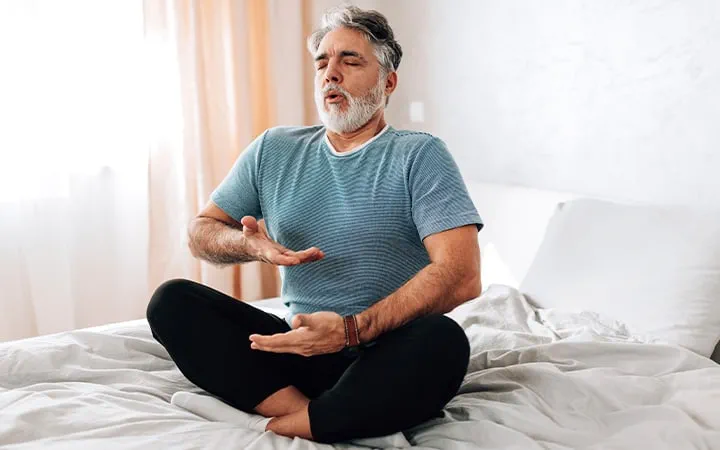
9.1 Practical Stress Management Techniques
- Meditation
- Deep breathing
- Physical exercise
- Journaling
- Nature exposure
Just 10 minutes daily can reduce stress significantly.

10. Mental Health & Emotional Wellbeing
Mental health is equally important as physical health.
Good mental health improves:
- Productivity
- Relationships
- Decision-making
- Quality of life
10.1 Signs of Good Mental Health
- Emotional stability
- Positive outlook
- Ability to manage stress
- Healthy relationships
11. The Role of Sunlight & Vitamin D
Sunlight regulates:
- Sleep cycles
- Mood
- Immunity
Vitamin D deficiency is extremely common.
15–20 minutes of sunlight daily is essential.
12. The Power of Consistency
The biggest health mistake people make:
Trying extreme changes instead of small consistent habits.
Health improves through:
- Small daily actions
- Long-term commitment
- Sustainable routines
13. Healthy Habits That Transform Life
Daily Habits Checklist
- Drink water after waking
- Walk daily
- Eat whole foods
- Sleep 7–9 hours
- Reduce sugar
- Manage stress
Simple habits create powerful results.
14. Avoiding the Biggest Health Mistakes
Common mistakes:
- Crash dieting
- Overtraining
- Skipping sleep
- Ignoring stress
- Eating ultra-processed foods
Balance is the key to longevity.
15. Creating Your Personal Health Plan
Step-by-step:
- Fix sleep schedule
- Improve diet gradually
- Add daily movement
- Reduce stress
- Stay consistent
Small changes compound over time.
Investing in health today prevents disease tomorrow and improves quality of life for decades to come.
The Complete Guide to Healthy Living in Modern Life – Top 5 FAQs
1. What does healthy living mean in modern life?
Healthy living in modern life means maintaining a balance between physical health, mental well-being, and daily habits. It includes eating nutritious foods, staying active, managing stress, and getting enough rest despite a busy lifestyle.
2. How can I stay healthy with a busy routine?
You can stay healthy by making small changes like choosing healthy meals, taking short walks, staying hydrated, and maintaining a regular sleep schedule. Consistency is more important than perfection.
3. Why is mental health important in modern living?
Mental health is crucial because modern life often brings stress and pressure. Managing stress through relaxation, mindfulness, and positive habits helps improve focus and overall well-being.
4. What role does diet play in healthy living?
A balanced diet provides essential nutrients that support energy, immunity, and overall body functions. Avoiding processed foods and choosing natural options helps maintain long-term health.
5. How does physical activity improve modern lifestyle health?
Regular physical activity boosts energy, strengthens the body, improves mood, and reduces the risk of chronic diseases caused by sedentary habits.
Conclusion
Healthy living in modern life requires mindful choices and consistent habits. By focusing on balanced nutrition, regular exercise, mental well-being, and proper rest, individuals can overcome the challenges of a fast-paced lifestyle. Small daily improvements can lead to long-term benefits, helping people live healthier, more productive, and fulfilling lives.
for more things click here …