Healthy Habits for Better Heart Health are essential for keeping your heart strong and your body functioning properly. Your heart is the engine of your body, pumping blood, oxygen, and nutrients to every cell. When you follow Healthy Habits for Better Heart Health, your entire body benefits, reducing the risk of serious diseases. Balanced meals and regular exercise help maintain stable glucose levels. This complete guide explains top healthy habits for better heart health, using natural, simple, and practical steps that anyone can follow at home.
Understanding Heart Health

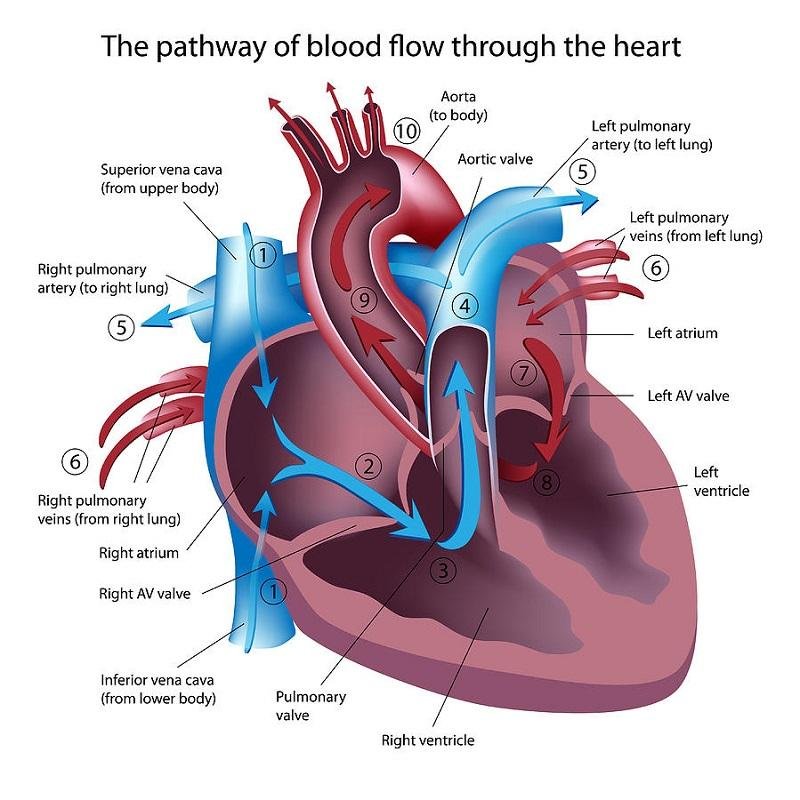
The heart is a muscular organ that pumps blood through blood vessels (arteries and veins). This blood carries:
- Oxygen
- Nutrients
- Hormones
A healthy heart:
- Beats regularly
- Pumps blood efficiently
- Keeps blood pressure normal
- Maintains balanced cholesterol levels
Unhealthy habits slowly damage the heart over time, often without obvious symptoms. That is why prevention is essential.
Common Signs of an Unhealthy Heart
Many people ignore early warning signs. Pay attention if you experience:
- Shortness of breath
- Chest discomfort
- Frequent fatigue
- Swelling in feet or legs
- Irregular heartbeat
- Dizziness
Healthy habits help protect your heart before serious problems begin.
1. Eat a Heart-Healthy Diet

What you eat directly affects your heart. A heart-healthy diet reduces cholesterol, controls blood pressure, and keeps arteries clean.A balanced diet is one of the most important Healthy Habits for Better Heart Health.
Best Foods for Heart Health:
- Fresh fruits (apples, berries, oranges)
- Vegetables (spinach, broccoli, carrots)
- Whole grains (oats, brown rice, whole wheat)
- Lean proteins (fish, beans, lentils)
- Healthy fats (olive oil, nuts, seeds)
Foods to Limit:
- Fried foods
- Processed snacks
- Excess sugar
- Refined flour
- Trans fats
Tip: Choose natural, whole foods over packaged items.
2. Reduce Salt Intake
Too much salt raises blood pressure, which puts stress on the heart.
Simple Ways to Reduce Salt:
- Avoid processed and canned foods
- Use herbs and spices instead of salt
- Do not add extra salt at the table
Keeping sodium intake low helps maintain healthy blood pressure.
3. Stay Physically Active Every Day
Staying physically active every day is essential for maintaining a healthy lifestyle and improving overall well-being. Regular exercise helps strengthen muscles, boost energy levels, and support heart health. Simple activities like walking, jogging, or stretching can make a big difference. Daily physical activity also reduces stress, improves mood, and enhances mental focus. By making exercise a consistent habit, individuals can maintain a healthy weight and reduce the risk of chronic diseases, leading to a longer and more active life.
4. Maintain a Healthy Body Weight
Excess weight increases the risk of:
- High blood pressure
- High cholesterol
- Diabetes
- Heart disease
Even small weight loss improves heart function significantly.
5. Quit Smoking and Avoid Secondhand Smoke

Smoking damages blood vessels, reduces oxygen supply, and increases heart attack risk.
Benefits of Quitting:
- Improved blood circulation
- Lower blood pressure
- Reduced heart disease risk
Avoiding smoke is one of the best gifts you can give your heart.
6. Limit Alcohol Consumption
Limiting alcohol consumption is important for maintaining a healthy lifestyle and protecting overall well-being. Drinking too much alcohol can harm the liver, weaken the immune system, and increase the risk of serious health problems. Reducing intake helps improve energy levels, mental clarity, and sleep quality. Choosing healthier alternatives and practicing moderation can make a positive difference. By controlling alcohol consumption, individuals can support long-term health, maintain better focus, and reduce the chances of developing chronic diseases over time.
7. Control Stress for a Healthy Heart
Chronic stress increases heart rate and blood pressure, harming the heart over time.
Simple Stress-Relief Habits:
- Deep breathing
- Meditation or prayer
- Spending time in nature
- Limiting screen time
A calm mind supports a strong heart.
8. Get Quality Sleep Every Night

Poor sleep increases the risk of:
- High blood pressure
- Obesity
- Heart disease
Healthy Sleep Tips:
- Sleep 7–8 hours daily
- Maintain a fixed sleep schedule
- Avoid heavy meals before bedtime
9. Manage Blood Pressure Regularly
Managing blood pressure regularly is essential for maintaining a healthy lifestyle and preventing serious health issues. High blood pressure can increase the risk of heart disease, stroke, and other complications. Regular monitoring, a balanced diet, and consistent physical activity help keep blood pressure under control. Reducing salt intake and managing stress also play an important role. By staying aware of your blood pressure levels, you can take early action and support long-term heart health and overall well-being.
10. Control Cholesterol Level
Lower Cholesterol Naturally:
- Eat fiber-rich foods
- Avoid fried foods
- Stay active
.
11. Add Heart-Friendly Natural Foods
Adding heart-friendly natural foods to your daily diet is essential for maintaining good cardiovascular health. Foods like fruits, vegetables, whole grains, nuts, and healthy fats help reduce cholesterol and support proper heart function. Natural options rich in fiber and antioxidants improve blood circulation and lower the risk of heart disease. Including these foods in regular meals can boost overall wellness and energy levels. By choosing nutritious and natural ingredients, individuals can protect their heart and promote a healthier lifestyle.
12. Avoid Sitting for Long Periods
Long sitting slows circulation and increases heart disease risk.
Simple Fix:
- Stand or walk every 30–60 minutes
- Stretch during work breaks
13. Keep Blood Sugar Levels Balanced
High blood sugar damages blood vessels and increases heart disease risk. Balanced meals and regular exercise help maintain stable glucose levels.
14. Regular Health Checkups
Regular health checkups are essential for maintaining a healthy lifestyle and detecting potential health problems early. Routine visits to a doctor help monitor vital signs, identify risks, and ensure timely treatment. Preventive screenings and tests can reduce the chances of serious diseases and improve long-term health outcomes. Regular checkups also provide guidance on diet, exercise, and overall wellness. By prioritizing routine medical care, individuals can stay informed about their health and take proactive steps toward a healthier and longer life.
Long-Term Benefits of Healthy Heart Habits
When you care for your heart, you experience:
- More energy
- Better stamina
- Clear thinking
- Strong immunity
- Longer life
A healthy heart supports every aspect of your well-being.
Final Thoughts
Heart health is not built in one day—it is created through daily healthy habits. Small lifestyle changes, when practiced consistently, can protect your heart for life.
Start today. Your future heart will thank you.
1. Why is regular exercise important for heart health?
Regular exercise strengthens the heart muscle, improves blood circulation, and helps control weight. It also lowers the risk of high blood pressure and heart disease.
2. How does a healthy diet support the heart?
A balanced diet with fruits, vegetables, whole grains, and healthy fats helps reduce cholesterol and keeps blood vessels healthy, improving overall heart function.
3. Why is managing stress important for the heart?
Stress can raise blood pressure and lead to unhealthy habits. Managing stress through relaxation and positive activities helps protect heart health.
4. How does sleep affect heart health?
Getting enough sleep helps regulate blood pressure and allows the body to recover. Poor sleep can increase the risk of heart-related problems.
5. Why are regular health checkups necessary?
Regular checkups help detect early signs of heart disease and allow timely treatment, ensuring better long-term heart health.
Conclusion
Maintaining heart health requires simple but consistent habits. Regular exercise, a healthy diet, stress management, proper sleep, and routine checkups all play a vital role. By following these top five habits, individuals can protect their heart, improve overall well-being, and lead a longer, healthier life.
for more click here…