
Introduction
Diabetes treatment focuses on controlling blood sugar levels, preventing serious complications, and improving overall health through personalized medical care and healthy lifestyle changes. Treatment may include balanced nutrition, regular physical activity, blood glucose monitoring, oral medications, insulin therapy, weight management, and routine medical checkups. The appropriate treatment depends on whether a patient has Type 1 diabetes, Type 2 diabetes, or gestational diabetes, along with their age, health condition, and lifestyle. Early diagnosis and consistent management significantly reduce the risk of heart disease, kidney damage, vision loss, and nerve complications. Working closely with healthcare professionals helps patients achieve long-term blood sugar control and maintain a healthier, more active life.
Understanding Diabetes Treatment For Better Health Outcomes
Modern diabetes treatment combines medications, healthy eating habits, physical activity, blood sugar monitoring, and ongoing medical supervision to effectively manage diabetes. Treatment plans are personalized according to diabetes type, age, weight, overall health, and lifestyle. Healthcare providers help patients establish realistic blood glucose goals while reducing long-term complications. Successful diabetes management requires consistent monitoring and regular adjustments to therapy. Comprehensive treatment improves daily wellbeing while protecting major organs such as the heart, kidneys, eyes, and nervous system from diabetes-related damage.
Early Diabetes Diagnosis Improves Treatment Success Significantly Today
Early diagnosis greatly enhances diabetes treatment by allowing healthcare providers to begin management before serious complications develop. Routine blood glucose testing, HbA1c measurements, fasting blood sugar evaluations, and regular health screenings identify diabetes at earlier stages. Prompt diagnosis helps patients adopt healthier habits, begin medications if necessary, and prevent progressive organ damage. Early intervention improves blood sugar control while reducing risks of cardiovascular disease, kidney failure, vision impairment, and nerve damage. Preventive healthcare remains essential for successful long-term diabetes management.
Personalized Diabetes Treatment Plans Improve Long Term Control
Every diabetes treatment plan should be tailored according to the patient’s medical history, diabetes type, current blood sugar levels, lifestyle, nutritional habits, physical activity, and overall health. Personalized treatment allows healthcare providers to recommend medications, meal planning, exercise programs, and monitoring schedules that best fit each individual. Customized care improves treatment effectiveness while reducing unnecessary complications. Individualized diabetes management strengthens long-term blood sugar control and supports healthier living throughout every stage of care.
Healthy Nutrition Supports Effective Diabetes Treatment Every Day
Balanced nutrition remains one of the most important components of successful diabetes treatment. Dietitians recommend consuming whole grains, lean proteins, vegetables, fruits, healthy fats, and fiber-rich foods while limiting refined sugars and processed carbohydrates. Portion control and regular meal timing help maintain stable blood glucose levels throughout the day. Healthy eating also supports weight management, heart health, and improved energy levels. Proper nutrition enhances medication effectiveness while reducing long-term diabetes complications.
Regular Exercise Improves Blood Sugar Control Naturally Today
Physical activity plays a major role in diabetes treatment by increasing insulin sensitivity and helping muscles use glucose more efficiently. Walking, swimming, cycling, resistance training, yoga, and stretching improve blood sugar regulation while supporting cardiovascular health and healthy body weight. Healthcare providers recommend individualized exercise plans based on fitness level and medical condition. Consistent physical activity reduces insulin resistance while improving overall quality of life and long-term diabetes outcomes.
Healthy Lifestyle Habits For Diabetes Management Include
- Eat balanced nutritious meals
- Exercise regularly
- Monitor blood sugar daily
- Stay well hydrated
- Take medications correctly
- Maintain healthy body weight
- Sleep adequately
- Manage daily stress
- Avoid tobacco products
- Attend regular medical checkups
Table 1: Common Diabetes Treatment Options
| Treatment Option | Primary Purpose |
|---|---|
| Healthy Nutrition | Stabilizes blood sugar |
| Physical Activity | Improves insulin sensitivity |
| Oral Medications | Lowers blood glucose |
| Insulin Therapy | Replaces missing insulin |
| Blood Sugar Monitoring | Tracks glucose levels |
| Continuous Glucose Monitor | Real-time glucose tracking |
| Weight Management | Reduces insulin resistance |
| Medical Checkups | Prevents complications |
| Diabetes Education | Improves self-management |
| Lifestyle Modification | Supports long-term control |
Oral Diabetes Medications Improve Blood Sugar Control Effectively
Many patients with Type 2 diabetes benefit from oral medications as part of comprehensive diabetes treatment. These medicines improve insulin sensitivity, reduce glucose production by the liver, increase insulin release, or slow carbohydrate absorption. Healthcare providers carefully select medications based on individual medical conditions and treatment goals. Proper medication use, combined with healthy lifestyle habits, significantly improves long-term blood glucose control and reduces diabetes-related complications.
Insulin Therapy Remains Essential For Many Patients Today
Insulin therapy remains a vital part of diabetes treatment, especially for individuals with Type 1 diabetes and some people with advanced Type 2 diabetes. Different insulin types provide rapid, short, intermediate, or long-lasting blood sugar control depending on medical needs. Healthcare providers educate patients on proper injection techniques, dosage adjustments, blood glucose monitoring, and hypoglycemia prevention. Personalized insulin therapy improves long-term metabolic control while supporting healthier daily living.
Weight Management Strengthens Diabetes Treatment Success Significantly Today
Maintaining a healthy body weight significantly improves diabetes treatment by reducing insulin resistance and enhancing blood sugar regulation. Even modest weight loss can improve glucose control, lower blood pressure, reduce cholesterol levels, and decrease cardiovascular risks. Healthcare providers recommend individualized nutrition plans, exercise routines, behavioral counseling, and medical supervision to support sustainable weight management. Healthy body weight contributes to better diabetes outcomes and overall wellness.
Daily Diabetes Self Care Checklist Includes
- Check blood glucose regularly
- Take prescribed medications
- Eat meals on schedule
- Drink sufficient water
- Exercise safely
- Inspect your feet daily
- Get adequate sleep
- Reduce emotional stress
- Keep medical appointments
- Follow physician recommendations
Preventing Diabetes Complications Through Proper Medical Care Today
Successful diabetes treatment focuses not only on controlling blood sugar but also on preventing long-term complications affecting the heart, kidneys, eyes, nerves, and blood vessels. Routine medical examinations, cholesterol management, blood pressure control, eye exams, kidney function tests, and foot care significantly reduce health risks. Preventive healthcare improves long-term quality of life while minimizing serious diabetes-related complications.
Technology Improves Modern Diabetes Treatment Every Single Day
Modern diabetes treatment benefits from technological advancements including continuous glucose monitors, insulin pumps, smart insulin pens, digital health applications, wearable devices, and telemedicine consultations. Technology provides real-time blood glucose information while improving medication accuracy and patient education. Innovative healthcare solutions simplify diabetes management and help patients make informed daily decisions regarding nutrition, medications, and physical activity.

Mental Health Support Strengthens Diabetes Treatment Success Today
Managing emotional wellbeing remains an important aspect of successful diabetes treatment because living with a chronic condition may increase stress, anxiety, or depression. Mental health professionals provide counseling, stress management strategies, behavioral therapy, and emotional support. Strong psychological wellbeing improves treatment adherence while encouraging healthier lifestyle choices. Comprehensive diabetes care addresses both physical and emotional health to improve long-term patient outcomes.
Regular Medical Checkups Improve Diabetes Treatment Effectiveness Today
Routine healthcare visits remain essential for effective diabetes treatment. Physicians evaluate blood sugar control, HbA1c levels, blood pressure, cholesterol, kidney function, eye health, medication effectiveness, and potential complications during scheduled appointments. Regular follow-up allows timely adjustments to treatment plans while improving long-term disease management. Consistent medical supervision helps patients maintain healthier lives with fewer complications.
Table 2: Common Diabetes Complications Prevention
| Complication | Prevention Strategy |
|---|---|
| Heart Disease | Healthy diet and exercise |
| Kidney Disease | Blood sugar control |
| Eye Problems | Annual eye examinations |
| Nerve Damage | Stable glucose management |
| Foot Ulcers | Daily foot inspection |
| High Blood Pressure | Medication and lifestyle |
| High Cholesterol | Healthy nutrition |
| Stroke | Cardiovascular risk reduction |
| Infections | Good hygiene practices |
| Obesity | Weight management |
Managing Type One Diabetes Treatment Successfully Every Day
Effective diabetes treatment for Type 1 diabetes depends on lifelong insulin therapy, regular blood glucose monitoring, healthy nutrition, physical activity, and routine medical care. Because the pancreas produces little or no insulin, patients require carefully adjusted insulin doses throughout the day. Modern insulin pumps and continuous glucose monitors improve glucose control while reducing complications. Personalized care plans help patients safely balance meals, exercise, stress, and medication. Consistent disease management supports healthier living while preventing serious long-term complications associated with uncontrolled blood sugar levels.
Managing Type Two Diabetes Treatment More Effectively Today
Type 2 diabetes treatment often begins with healthy lifestyle modifications before medications or insulin become necessary. Weight management, balanced nutrition, regular physical activity, blood sugar monitoring, and physician-guided medications improve insulin sensitivity and glucose control. Early intervention significantly reduces cardiovascular disease, kidney damage, nerve injury, and vision loss. Personalized treatment plans are regularly adjusted according to blood glucose levels and overall health. Comprehensive diabetes management improves quality of life while reducing future medical complications.
Gestational Diabetes Treatment Protects Mother And Baby Together
Proper diabetes treatment during pregnancy helps protect both mother and baby from serious health complications. Obstetricians recommend regular blood sugar monitoring, balanced nutrition, moderate physical activity, healthy weight management, and insulin therapy when necessary. Careful glucose control reduces the risks of premature birth, excessive birth weight, and pregnancy-related complications. Close medical supervision ensures healthy fetal development while supporting safer pregnancy outcomes. Most women experience improved blood sugar control after childbirth but require continued follow-up.
Controlling Blood Pressure During Diabetes Treatment Successfully Today
Managing blood pressure remains an essential part of comprehensive diabetes treatment because hypertension significantly increases the risk of heart disease, kidney failure, and stroke. Healthcare providers recommend low-sodium diets, regular exercise, healthy weight management, prescribed medications, and routine blood pressure monitoring. Effective blood pressure control protects blood vessels while improving long-term cardiovascular health. Combining blood sugar management with blood pressure control significantly reduces diabetes-related complications and improves patient outcomes.
Managing Cholesterol Improves Diabetes Treatment Long Term Results
Healthy cholesterol levels contribute significantly to successful diabetes treatment by reducing cardiovascular risks associated with diabetes. Physicians recommend heart-healthy diets, regular exercise, weight management, cholesterol-lowering medications when appropriate, and routine lipid testing. Proper cholesterol control reduces plaque buildup within arteries while protecting heart health. Comprehensive cardiovascular risk management supports longer life expectancy and better quality of life for individuals living with diabetes.
Foods That Support Healthy Blood Sugar Control Daily
- Whole grains
- Fresh vegetables
- Fresh fruits
- Lean protein sources
- Healthy fats
- Beans and legumes
- Nuts and seeds
- Low-fat dairy products
- High-fiber foods
- Plenty of water
Preventing Low Blood Sugar During Diabetes Treatment Safely
Preventing hypoglycemia remains an important goal of successful diabetes treatment. Patients should recognize early warning signs including sweating, dizziness, shakiness, confusion, rapid heartbeat, and hunger. Carrying fast-acting carbohydrates such as glucose tablets or fruit juice helps manage emergencies quickly. Regular meal timing, medication adjustments, and blood glucose monitoring reduce the likelihood of dangerous low blood sugar episodes. Patient education significantly improves treatment safety and confidence.
Protecting Kidney Health During Diabetes Treatment Carefully Today
Kidney protection remains a major priority during long-term diabetes treatment because uncontrolled blood sugar can gradually damage kidney function. Routine kidney function tests, urine protein screening, blood pressure management, healthy hydration, medication adherence, and glucose control help preserve kidney health. Early detection of kidney disease allows timely medical intervention. Preventive care significantly reduces the risk of chronic kidney disease and dialysis.
Protecting Vision Through Proper Diabetes Treatment Every Year
Eye health should remain a priority throughout diabetes treatment because elevated blood sugar may damage retinal blood vessels over time. Annual comprehensive eye examinations help detect diabetic retinopathy, glaucoma, cataracts, and vision changes before permanent damage occurs. Good blood sugar control, healthy blood pressure, and cholesterol management help preserve eyesight. Early diagnosis and treatment greatly improve long-term visual outcomes for individuals with diabetes.
Proper Foot Care Prevents Diabetes Treatment Complications Successfully
Daily foot care plays an important role in successful diabetes treatment because nerve damage and poor circulation increase the risk of ulcers and infections. Patients should inspect their feet daily, wear comfortable footwear, maintain proper hygiene, moisturize dry skin, and seek immediate medical attention for wounds or infections. Preventive foot care significantly reduces serious complications and supports long-term mobility.
Managing Stress Improves Diabetes Treatment Results Consistently Today
Stress management contributes significantly to effective diabetes treatment because emotional stress may increase blood glucose levels and reduce treatment adherence. Relaxation techniques, meditation, deep breathing exercises, yoga, counseling, regular physical activity, and social support help improve emotional wellbeing. Reduced stress enhances blood sugar control while promoting healthier lifestyle habits. Mental wellness remains an essential component of comprehensive diabetes management.
Questions Patients Should Ask Their Diabetes Specialist Today
- What type of diabetes do I have?
- What blood sugar targets are recommended?
- Which medications should I take?
- How often should I monitor glucose?
- What foods should I avoid?
- Can I exercise safely every day?
- How often are HbA1c tests needed?
- What complications should I watch for?
- Should I use a glucose monitor?
- When should I schedule follow-up visits?
Continuous Glucose Monitoring Improves Diabetes Treatment Accuracy Today
Continuous glucose monitoring has transformed modern diabetes treatment by providing real-time blood glucose readings throughout the day and night. These systems help patients identify trends, prevent hypoglycemia, optimize insulin doses, and make informed lifestyle decisions. Continuous monitoring improves treatment precision while reducing daily finger-stick testing. Advanced technology supports safer and more effective long-term diabetes management.

Artificial Intelligence Advances Modern Diabetes Treatment Innovations Today
Artificial intelligence continues transforming diabetes treatment by improving blood sugar prediction, insulin dose recommendations, continuous glucose monitoring analysis, personalized treatment planning, and remote patient monitoring. AI-powered healthcare tools help physicians identify patterns that improve long-term disease management. Ongoing technological innovation supports more accurate treatment decisions while enhancing patient safety and quality of life.
Medical Research Continues Improving Diabetes Treatment Worldwide Today
Scientific research continues advancing diabetes treatment through innovative medications, artificial pancreas systems, stem cell therapies, precision medicine, gene research, and improved insulin formulations. Clinical trials provide valuable evidence that helps physicians deliver safer and more effective treatments. Continuous medical innovation offers hope for better blood sugar control, fewer complications, and improved long-term outcomes for millions of people living with diabetes.
Choosing Comprehensive Diabetes Treatment Supports Healthier Living Today
Selecting experienced healthcare providers and comprehensive diabetes treatment programs gives patients access to personalized medical care, nutritional counseling, medication management, advanced monitoring technology, mental health support, and preventive healthcare. Coordinated treatment plans improve blood sugar control while reducing long-term complications. Professional diabetes care empowers patients to live healthier, more active lives while maintaining greater confidence in managing their condition every day.
Preventing Diabetes Complications Through Early Medical Intervention Today
Successful diabetes treatment focuses on preventing serious complications before they become permanent health problems. Consistent blood sugar control, routine medical examinations, healthy nutrition, regular exercise, medication adherence, and early screening significantly reduce the risks of heart disease, kidney failure, blindness, nerve damage, and poor circulation. Physicians monitor patients closely to identify warning signs before complications progress. Preventive healthcare remains one of the most effective strategies for maintaining long-term health and improving overall quality of life for individuals living with diabetes.
Heart Health Remains Essential During Diabetes Treatment Journey
Cardiovascular health is a major priority throughout diabetes treatment because diabetes significantly increases the risk of heart attacks, strokes, and vascular disease. Healthcare providers recommend controlling blood pressure, maintaining healthy cholesterol levels, exercising regularly, following heart-healthy nutrition plans, and avoiding tobacco products. Medications may also help reduce cardiovascular risks. Protecting heart health through comprehensive medical care supports longer life expectancy and better long-term diabetes outcomes.
Kidney Protection Supports Successful Diabetes Treatment Every Year
Protecting kidney function remains an essential component of effective diabetes treatment. Elevated blood sugar can gradually damage the kidneys, leading to chronic kidney disease if left untreated. Regular kidney function tests, urine protein screening, blood pressure control, proper hydration, and medication adherence help preserve kidney health. Early detection allows physicians to intervene before permanent damage develops. Preventive care significantly improves long-term kidney function and overall patient wellbeing.
Table 3: Healthy Daily Diabetes Management Habits
| Healthy Habit | Benefit |
|---|---|
| Balanced Meals | Stable blood sugar |
| Daily Exercise | Better insulin response |
| Adequate Hydration | Supports kidney health |
| Blood Glucose Checks | Early problem detection |
| Medication Adherence | Better treatment success |
| Quality Sleep | Improved metabolism |
| Stress Management | Lower glucose fluctuations |
| Regular Medical Visits | Prevents complications |
| Healthy Weight | Improved glucose control |
| Tobacco Avoidance | Better cardiovascular health |
Foot Care Prevents Serious Diabetes Treatment Complications Today
Daily foot care remains one of the most important aspects of comprehensive diabetes treatment because poor circulation and nerve damage increase the risk of infections and ulcers. Patients should inspect their feet daily, wear supportive footwear, maintain proper hygiene, moisturize dry skin, and immediately report cuts or wounds. Preventive foot care significantly reduces the likelihood of amputations while preserving mobility and independence throughout life.
Daily Habits Supporting Better Diabetes Health Outcomes
- Check blood sugar consistently
- Eat balanced healthy meals
- Stay physically active
- Drink enough water
- Take medications correctly
- Sleep seven to eight hours
- Manage daily stress
- Avoid smoking completely
- Keep medical appointments
- Maintain healthy body weight
Medication Adherence Improves Diabetes Treatment Effectiveness Consistently Today
Taking medications exactly as prescribed remains essential for successful diabetes treatment. Missing doses or changing medication schedules without medical advice may result in uncontrolled blood sugar and increased complications. Healthcare providers educate patients regarding proper medication timing, dosage adjustments, side effect management, and treatment expectations. Consistent medication adherence improves glucose control while supporting healthier long-term disease management and reducing emergency hospitalizations.
Continuous Medical Monitoring Improves Diabetes Treatment Safety Always
Routine healthcare monitoring strengthens diabetes treatment by allowing physicians to evaluate blood sugar trends, HbA1c results, kidney function, cholesterol levels, blood pressure, weight, medication effectiveness, and potential complications. Regular appointments enable timely treatment adjustments while preventing disease progression. Ongoing medical supervision improves patient safety and ensures diabetes remains effectively controlled over time.
Healthy Sleep Supports Better Diabetes Treatment Results Daily
Quality sleep contributes significantly to effective diabetes treatment because inadequate sleep may increase insulin resistance, elevate stress hormones, and disrupt blood sugar regulation. Healthcare professionals recommend maintaining consistent sleep schedules, reducing screen exposure before bedtime, managing stress, and treating sleep disorders when necessary. Healthy sleep improves metabolism while enhancing physical recovery and emotional wellbeing throughout diabetes management.
Hydration Supports Healthy Blood Sugar Regulation Throughout Treatment
Adequate hydration remains an important part of successful diabetes treatment because water helps regulate blood sugar levels and supports normal kidney function. Drinking sufficient water throughout the day helps reduce dehydration caused by elevated glucose levels while improving overall metabolism. Healthcare providers encourage limiting sugary beverages and choosing water as the primary source of hydration. Proper hydration supports healthier diabetes management every day.
Smoking Cessation Improves Diabetes Treatment Long Term Outcomes
Quitting tobacco significantly improves diabetes treatment by lowering the risks of cardiovascular disease, kidney damage, nerve injury, stroke, and poor circulation. Smoking worsens insulin resistance while accelerating diabetes-related complications. Healthcare professionals provide counseling, nicotine replacement therapy, medications, and behavioral support to help patients stop smoking successfully. Tobacco cessation contributes to better blood sugar control and healthier long-term outcomes.
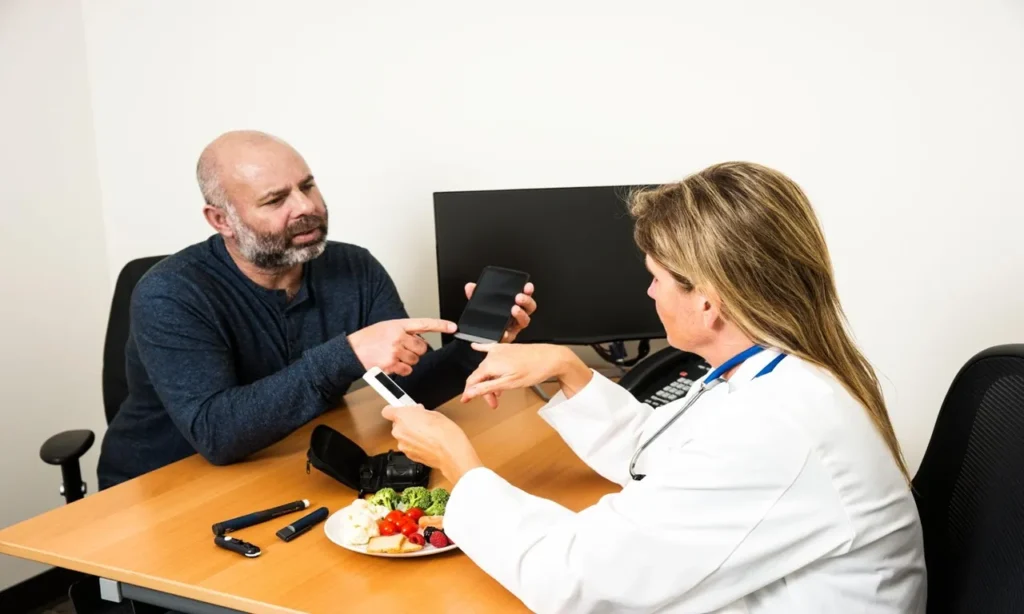
Important Medical Tests During Diabetes Treatment Include
- HbA1c blood test
- Fasting blood glucose
- Kidney function tests
- Cholesterol profile
- Blood pressure measurement
- Comprehensive eye examination
- Foot examination
- Urine protein screening
- Body weight assessment
- Dental health evaluation
Modern Technology Simplifies Diabetes Treatment Management Successfully Today
Technological innovations continue improving diabetes treatment through continuous glucose monitoring systems, insulin pumps, smart insulin pens, mobile healthcare applications, wearable fitness devices, and telemedicine services. These tools provide real-time health information that helps patients make informed treatment decisions. Modern technology increases convenience while improving treatment accuracy and long-term glucose management.
Table 4: Diabetes Healthcare Support Team
| Healthcare Professional | Primary Responsibility |
|---|---|
| Endocrinologist | Diabetes diagnosis and treatment |
| Primary Care Physician | Overall health management |
| Diabetes Educator | Patient education |
| Registered Dietitian | Nutrition planning |
| Pharmacist | Medication guidance |
| Ophthalmologist | Eye examinations |
| Podiatrist | Foot health management |
| Nephrologist | Kidney care |
| Cardiologist | Heart health monitoring |
| Mental Health Counselor | Emotional wellbeing support |
Building Healthy Habits Supports Diabetes Treatment Lifelong Success
Long-term success with diabetes treatment depends on consistently practicing healthy habits every day. Balanced nutrition, regular physical activity, medication adherence, blood sugar monitoring, stress management, routine medical appointments, adequate sleep, and preventive healthcare work together to improve overall health. Sustainable lifestyle changes help patients maintain stable blood glucose levels while reducing the risk of future complications.
Choosing Comprehensive Diabetes Treatment Creates Better Health Outcomes
Selecting experienced healthcare professionals and comprehensive diabetes treatment programs provides patients with personalized medical care, nutritional counseling, medication management, advanced monitoring technology, mental health support, preventive healthcare, and long-term follow-up. Coordinated healthcare teams develop individualized treatment plans that maximize blood sugar control while minimizing complications. Professional diabetes care remains one of the strongest foundations for healthier living, improved quality of life, greater independence, and long-term disease management.
Frequently Asked Questions
What is diabetes treatment?
- Diabetes treatment involves managing blood sugar through healthy eating, exercise, medications, insulin therapy, and regular medical monitoring.
Can diabetes be cured permanently?
- Currently, there is no permanent cure for Type 1 or Type 2 diabetes, but proper treatment can effectively control blood sugar and reduce complications.
Which foods are best during diabetes treatment?
- Whole grains, vegetables, lean proteins, healthy fats, legumes, fruits in moderation, and high-fiber foods are recommended.
Do all diabetes patients need insulin?
- No. People with Type 1 diabetes require insulin, while many individuals with Type 2 diabetes manage their condition through lifestyle changes and oral medications before insulin becomes necessary.
How often should blood sugar be checked?
- The frequency depends on the diabetes type, medications, and physician recommendations. Many patients monitor blood sugar daily.
Can exercise improve diabetes treatment?
- Yes. Regular physical activity improves insulin sensitivity, lowers blood sugar levels, supports weight management, and improves cardiovascular health.
Conclusion
Modern diabetes treatment combines personalized medical care, healthy nutrition, regular exercise, blood glucose monitoring, medications, insulin therapy, advanced technology, and continuous medical supervision to achieve effective long-term blood sugar control. Early diagnosis and consistent treatment significantly reduce the risk of heart disease, kidney damage, nerve complications, vision loss, and other serious health problems. Patients who follow individualized care plans, maintain healthy lifestyle habits, and attend regular medical appointments often experience better health, greater independence, and improved quality of life. Working closely with experienced healthcare professionals ensures that diabetes treatment remains safe, effective, and adaptable to changing medical needs, supporting lifelong wellness and successful diabetes management.