Importance of Rest Days: Why Rest Is Just as Important as Activity

In today’s hustle-driven culture, people often believe that constant work and nonstop exercise are the keys to success and fitness. The idea of taking a break is sometimes seen as laziness. However, this mindset can actually harm your body and slow down your progress.
Rest days are not a sign of weakness—they are a necessary part of a healthy lifestyle. Whether you are working out regularly, studying, or managing a busy routine, your body needs time to recover and repair itself. Without proper rest, your muscles, mind, and energy levels begin to decline.
Understanding the importance of rest days can help you build a balanced routine that supports long-term health, better performance, and overall well-being.
What Happens to Your Body During Rest
When you take a rest day, your body is not inactive—it is actively repairing itself. During physical activity, especially exercise, small tears occur in your muscle fibers. These tiny tears are a normal part of growth, but they need time to heal.
Rest allows the body to rebuild these muscle fibers stronger than before. This process improves strength, endurance, and flexibility. Without enough rest, the body cannot fully recover, leading to fatigue and reduced performance.
Rest also helps restore energy levels. Your body replenishes glycogen stores, balances hormones, and prepares itself for future activity. This recovery process is essential for both physical and mental health.
Importance of Rest Days for Muscle Growth and Recovery
Many people believe that more exercise leads to faster results, but the opposite is often true. Muscle growth does not happen during workouts; it happens during rest.
When you exercise, you break down muscle fibers. During rest, your body repairs and strengthens them. This is how muscles grow and become more resilient. Without proper recovery time, your muscles remain in a constant state of stress, preventing growth.
Including regular rest days in your routine allows your body to recover properly and perform better in future workouts.
Overtraining: The Hidden Danger
Overtraining occurs when the body is pushed beyond its ability to recover. This can lead to fatigue, decreased performance, and increased risk of injury.
Signs of overtraining include constant tiredness, muscle soreness, lack of motivation, poor sleep, and frequent illness. Ignoring these signs can result in long-term health problems.
Rest days help prevent overtraining by giving your body the time it needs to recover and reset.
Mental Health Benefits of Rest Days

Rest is not only important for the body but also for the mind. Continuous activity and pressure can lead to mental fatigue and stress.
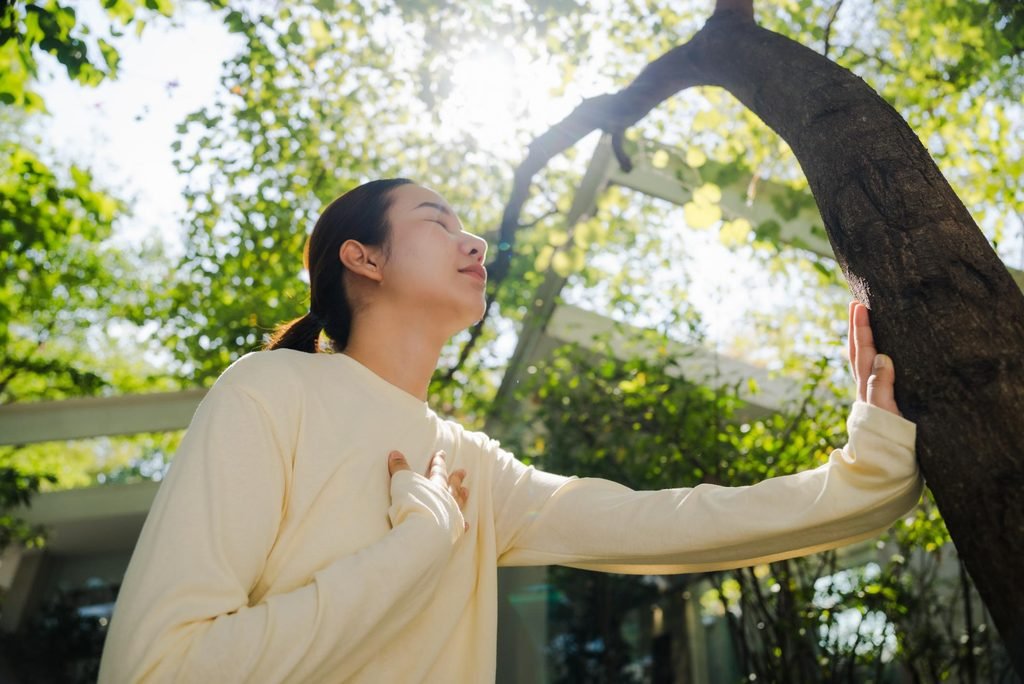
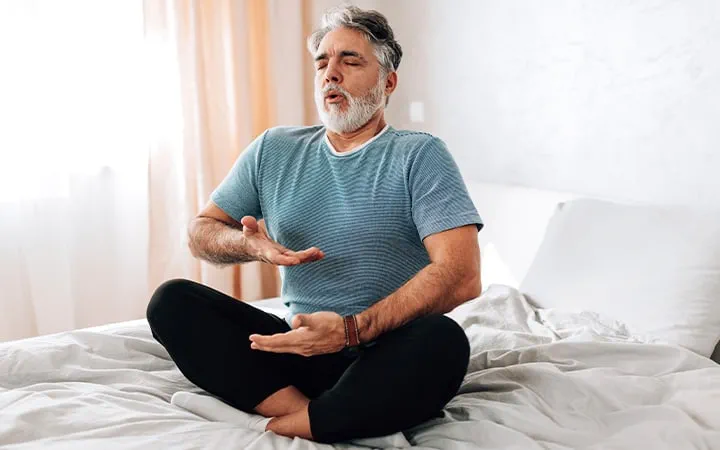
Taking time to relax allows your mind to recover, improving focus, creativity, and emotional balance. It also reduces stress and anxiety, helping you feel more refreshed and motivated.
A well-rested mind leads to better decision-making and overall productivity.
The Connection Between Rest and Sleep
Rest days often improve sleep quality. When your body is not constantly under physical stress, it can relax more easily and enter deeper stages of sleep.
Good sleep enhances recovery, supports brain function, and improves overall health. Lack of rest and poor sleep can create a cycle of fatigue and low performance.
Injury Prevention Through Proper Rest
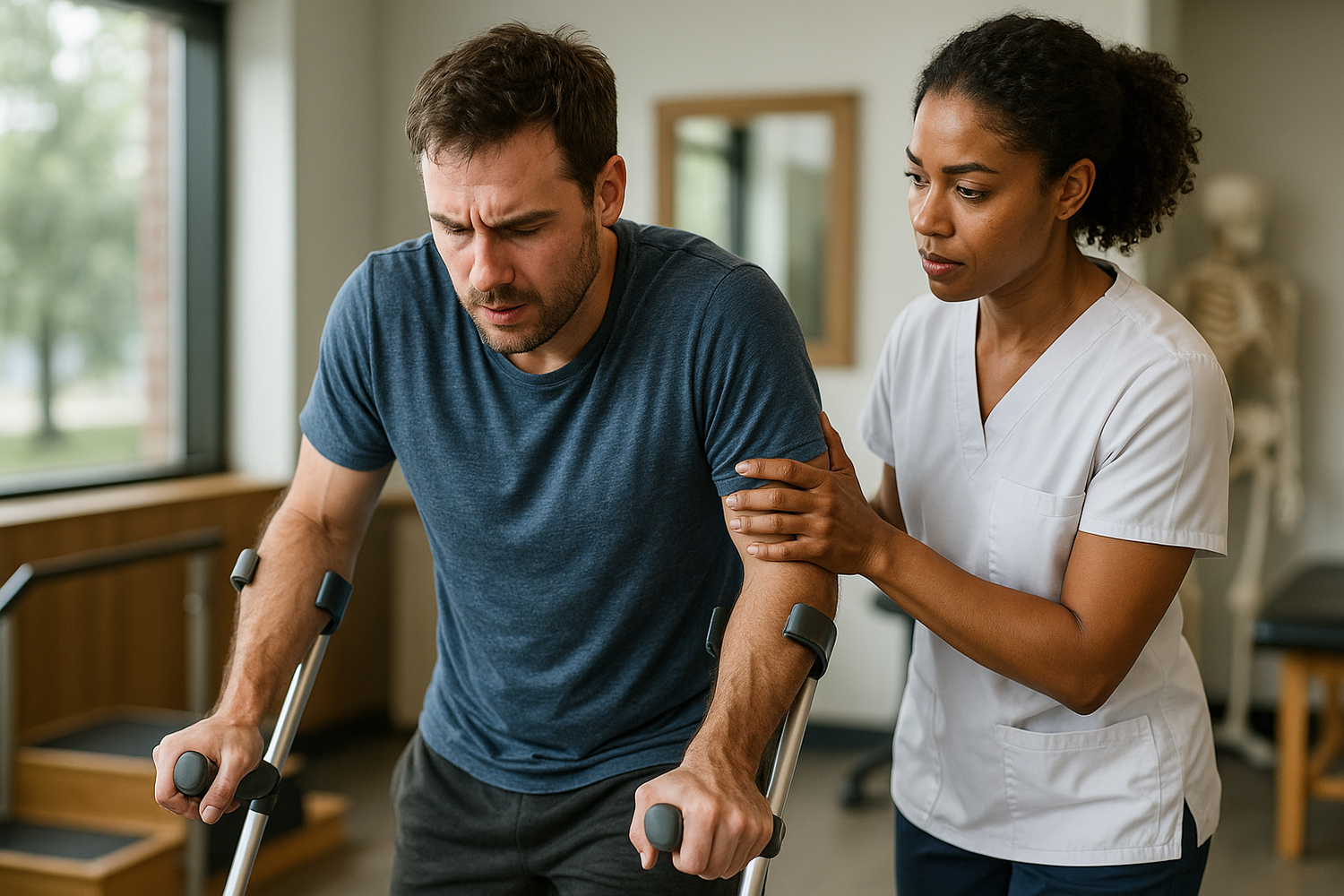
One of the biggest benefits of rest days is injury prevention. When the body is overworked, muscles and joints become more vulnerable to strain and damage.
Rest allows tissues to heal and reduces inflammation, lowering the risk of injuries. This is especially important for people who engage in regular physical activity.
Importance of Rest Days: Balancing Activity and Recovery
A healthy lifestyle is about balance. Too much activity without rest can harm your body, while too much inactivity can reduce fitness.
Finding the right balance between movement and recovery ensures that your body stays strong, flexible, and healthy. Rest days should be planned just like workouts.
What to Do on Rest Days
Rest days do not mean doing nothing at all. Light activities such as walking, stretching, or gentle yoga can support recovery without putting stress on the body.
These activities improve blood circulation and help muscles recover faster. Rest days are also a great time to relax, spend time with family, or focus on mental well-being.
Long-Term Benefits of Taking Rest Days
In the long run, taking rest days improves performance, reduces injury risk, and supports overall health. It helps maintain consistency, which is the key to success in any fitness or lifestyle journey.
A well-rested body is more energetic, focused, and capable of handling daily challenges.
Frequently Asked Questions (FAQs)
1. Why are rest days important for fitness?
Rest days are essential because they allow your body to repair and rebuild muscles. Without rest, your body cannot recover properly, which can lead to fatigue, poor performance, and even injury.
2. How many rest days should I take each week?
Most people benefit from 1–2 rest days per week, depending on their activity level and fitness goals. Beginners may need more rest, while experienced individuals can balance intense and light activity days.
3. Do muscles grow on rest days?
Yes, muscle growth actually happens during rest. Exercise creates small tears in muscle fibers, and rest allows them to repair and grow stronger.
4. What happens if I don’t take rest days?
Skipping rest days can lead to overtraining, which causes fatigue, reduced performance, poor sleep, and increased risk of injury.
5. Can I stay active on rest days?
Yes, you can do light activities like walking, stretching, or yoga. This is called active recovery and helps improve blood flow without stressing your body.
6. Are rest days important for mental health?
Absolutely. Rest days help reduce stress, improve focus, and prevent mental burnout. A well-rested mind leads to better productivity and emotional balance.
7. How do rest days help prevent injuries?
Rest allows your muscles, joints, and tissues to heal and recover. Without rest, your body becomes overworked, increasing the risk of strains and injuries.
8. Do rest days improve sleep quality?
Yes, proper rest can improve sleep. When your body is not overexerted, it can relax better and enter deeper, more restorative sleep cycles.
9. What are the signs that I need a rest day?
Common signs include:
- Constant tiredness
- Muscle soreness
- Lack of motivation
- Poor sleep
- Decreased performance
10. Are rest days necessary even if I feel fine?
Yes. Even if you feel okay, your body still needs recovery time. Regular rest prevents long-term fatigue and keeps your performance consistent.
11. Can rest days help improve long-term results?
Yes, rest days support muscle growth, reduce injury risk, and improve consistency—leading to better long-term fitness and health results.
12. What is the difference between rest and inactivity?
Rest means allowing your body to recover, while inactivity is a lack of movement. Rest can still include light activity, while inactivity often leads to reduced fitness.
Final Thoughts: Rest Is Not Optional—It’s Essential
Rest days are a crucial part of a healthy lifestyle. They allow your body to recover, grow, and perform at its best. Ignoring rest can lead to fatigue, injuries, and burnout.
By understanding the importance of rest days, you can create a balanced routine that supports both physical and mental health.
Take rest seriously, listen to your body, and give yourself the time you need to recover. Your long-term health depends on it.
for more click here…