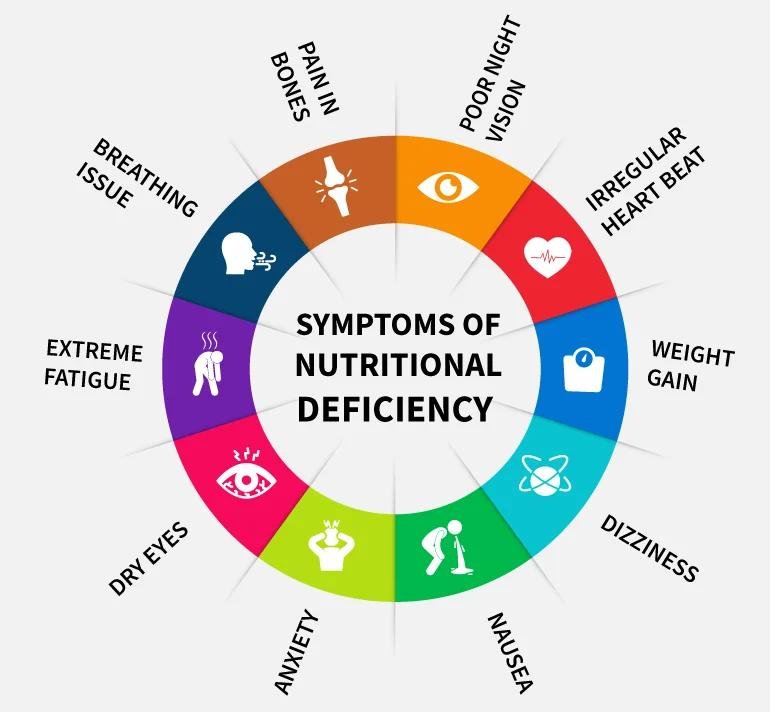
Signs your body needs better nutrition are often ignored in daily life, yet they can seriously affect your energy, immunity, and overall health. Many people assume that constant fatigue, poor concentration, or frequent illness is normal, but these are clear warning signals from your body.Understanding these signs early can help you improve your diet, restore balance, and support your overall well-being naturally.
The Role of Nutrition in Maintaining Good Health
Nutrition fuels:
- Brain function
- Hormone balance
- Immune defense
- Muscle repair
- Skin, hair, and nail health
When nutrients are missing, the body cannot perform basic repair and regulation, leading to physical and mental symptoms. Poor nutrition doesn’t always mean hunger—it often means nutrient deficiency, even in people who eat “enough food.”
1. Constant Fatigue and Low Energy

Possible Nutrient Gaps
- Iron
- Vitamin B12
- Magnesium
- Protein
- Complex carbohydrates
2. Frequent Illness or Weak Immunity
Frequent illness or weak immunity can affect daily life and overall health. A weak immune system makes the body more vulnerable to infections, colds, and fatigue. Poor nutrition, lack of sleep, stress, and limited physical activity are common causes. Strengthening immunity requires a balanced diet, regular exercise, proper hydration, and adequate rest. Including vitamins and natural foods can also boost the body’s defense system. By adopting healthy habits, individuals can improve immunity and reduce the chances of getting sick frequently.
3. Hair Fall, Brittle Nails, and Dull Skin

4. Digestive Problems (Bloating, Constipation, Acidity)
Digestive problems like bloating, constipation, and acidity can disrupt daily life and cause discomfort. These issues often result from poor diet, low fiber intake, dehydration, or irregular eating habits. Eating balanced meals, drinking enough water, and staying physically active can improve digestion. Avoiding junk food and managing stress also helps maintain a healthy digestive system.
5. Mood Swings, Anxiety, or Low Motivation
Mood swings, anxiety, and low motivation can affect both mental and physical well-being. These issues are often linked to stress, poor sleep, or an unhealthy lifestyle. Practicing mindfulness, staying physically active, and maintaining a balanced diet can help improve mood. Building positive routines and taking time to relax also supports emotional stability. By focusing on mental health, individuals can regain energy, improve focus, and lead a more balanced and productive life.
6. Cravings for Sugar, Salt, or Junk Food
Cravings for sugar, salt, or junk food are often signs of poor eating habits or nutrient imbalances. These cravings can lead to overeating and negatively impact overall health. Lack of sleep, dehydration, and stress can increase these urges. Choosing healthy snacks, staying hydrated, and maintaining regular meal times can help control cravings. By developing mindful eating habits, individuals can reduce unhealthy cravings and support better long-term health.
7. Slow Wound Healing
Slow wound healing can be a sign of poor nutrition or a weakened immune system. When the body lacks essential nutrients like vitamins, protein, and minerals, it struggles to repair damaged tissues efficiently. Conditions like poor blood circulation or unmanaged health issues can also delay healing. Eating a balanced diet, staying hydrated, and maintaining proper hygiene can support faster recovery and improve the body’s natural healing process.
8. Weak Muscles and Joint Pain
Weak muscles and joint pain can limit daily activities and reduce overall mobility. These issues are often caused by lack of physical activity, poor nutrition, or aging. Deficiency of essential nutrients like calcium, vitamin D, and protein can weaken bones and muscles. Regular exercise, stretching, and a balanced diet help improve strength and flexibility. Maintaining a healthy lifestyle can reduce pain and support better joint and muscle health.
9. Dry Eyes and Vision Problems
Dry eyes and vision problems can occur due to excessive screen time, poor nutrition, or lack of proper eye care. Insufficient intake of vitamin A and dehydration can affect eye health and cause discomfort. Taking regular breaks from screens, staying hydrated, and eating nutrient-rich foods can help protect vision. Practicing good eye habits and proper care supports long-term eye health and reduces the risk of serious vision issues.
10. Sleep Problems
Sleep problems can affect both physical and mental health, leading to fatigue and reduced concentration. Poor sleep habits, stress, and excessive screen time are common causes. Lack of quality sleep can weaken the immune system and lower energy levels. Maintaining a consistent sleep schedule, reducing screen use before bed, and creating a calm environment can improve sleep quality. Prioritizing proper rest helps restore the body, improve focus, and support overall well-being.
11. Weak Bones or Dental Issues

How to Improve Nutrition Naturally
1. Eat Whole Foods
Focus on:
- Vegetables
- Fruits
- Whole grains
- Lean proteins
2. Balance Your Plate
Half vegetables, one-quarter protein, one-quarter complex carbs.
3. Stay Hydrated
Water supports every body system.
4. Avoid Ultra-Processed Foods
Reduce:
- Sugary drinks
- Fried snacks
- Refined flour
Sample Daily Nutrition Plan
| Meal | Example |
|---|---|
| Breakfast | Oats + fruit |
| Lunch | Vegetables + protein |
| Snack | Nuts or yogurt |
| Dinner | Light balanced meal |
When to Take Nutrition Seriously
If symptoms persist despite lifestyle improvements, consult a healthcare professional. Nutrition is prevention—not punishment.
Final Thoughts
Your body is intelligent. Every symptom is a message. Ignoring nutrition warning signs today can lead to chronic illness tomorrow. By listening to your body and fueling it properly, you build:
- Energy
- Mental clarity
- Strong immunity
- Long-term health
Better nutrition is not a luxury—it’s a necessity.
Warning Signs Your Body Needs Better Nutrition – FAQs
1. What are common signs of poor nutrition?
Common signs include fatigue, frequent illness, weak immunity, dry skin, and slow wound healing. These symptoms indicate that the body is not getting enough essential nutrients.
2. Can poor nutrition affect energy levels?
Yes, poor nutrition can lead to constant tiredness and low energy. Without proper nutrients, the body cannot function efficiently.
3. How does nutrition impact immunity?
A lack of vitamins and minerals weakens the immune system, making the body more vulnerable to infections and illnesses.
4. Why do I experience frequent cravings?
Cravings for sugar or junk food often signal nutrient deficiencies or imbalanced eating habits.
5. Can poor nutrition cause digestive problems?
Yes, inadequate fiber and hydration can lead to bloating, constipation, and other digestive issues.
6. How does nutrition affect mental health?
Poor diet can contribute to mood swings, anxiety, and low motivation due to lack of essential nutrients that support brain function.
7. When should I improve my diet?
If you notice persistent symptoms like fatigue, weak immunity, or poor concentration, it’s a sign to improve your diet and lifestyle.
Conclusion
Recognizing the warning signs of poor nutrition is essential for maintaining overall health and well-being. Symptoms like low energy, weak immunity, and digestive issues should not be ignored. By adopting a balanced diet, staying hydrated, and maintaining healthy habits, individuals can improve their physical and mental health. Early action can prevent serious health problems and lead to a more active, healthier life.
for more click here…