Introduction
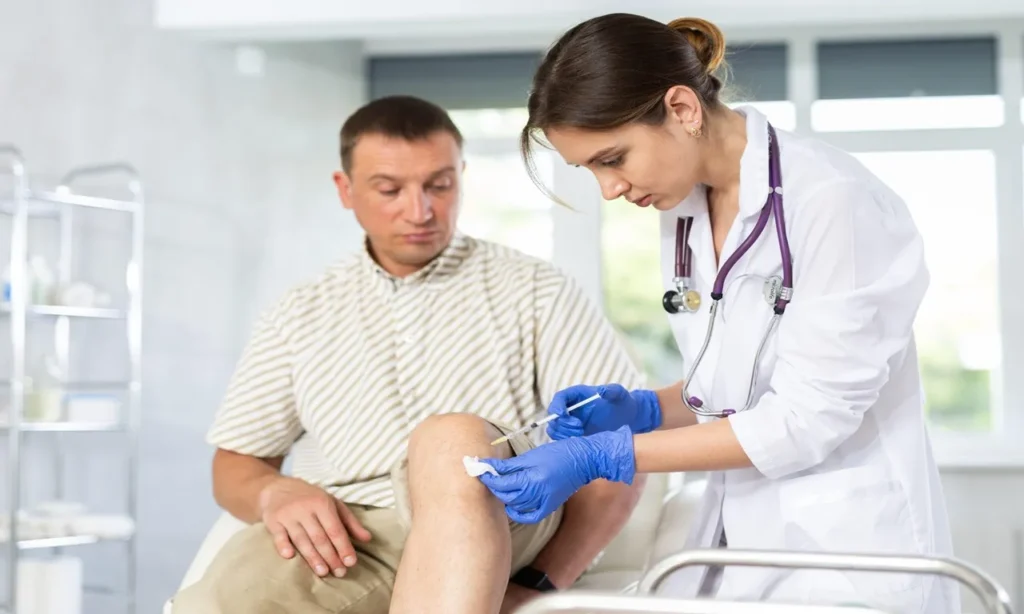
Arthritis treatment focuses on reducing joint pain, improving mobility, slowing disease progression, and enhancing overall quality of life. Arthritis affects millions of people worldwide and can interfere with daily activities, work, and physical independence. Modern treatment combines medications, physical therapy, lifestyle changes, healthy nutrition, weight management, exercise, and advanced medical procedures when necessary. Early diagnosis and personalized care plans help prevent permanent joint damage while improving long-term outcomes. Whether you have osteoarthritis, rheumatoid arthritis, psoriatic arthritis, or another form of joint disease, choosing the right arthritis treatment strategy can significantly reduce discomfort, restore movement, and support a healthier, more active lifestyle.
Early Arthritis Diagnosis Improves Long-Term Treatment Success Significantly
Early arthritis treatment begins with an accurate diagnosis that identifies the specific type and severity of joint disease. Healthcare providers evaluate symptoms, medical history, physical examinations, blood tests, X-rays, MRI scans, and ultrasound imaging before developing a personalized treatment plan. Early intervention helps reduce inflammation, slow disease progression, and prevent permanent joint damage. Prompt diagnosis improves mobility, supports effective pain management, enhances treatment outcomes, preserves joint function, increases patient confidence, and contributes to a better quality of life.
Personalized Treatment Plans Improve Individual Patient Recovery Outcomes
Every patient experiences arthritis differently, making personalized arthritis treatment essential for long-term symptom control. Physicians create customized treatment plans based on age, arthritis type, disease severity, activity level, overall health, and lifestyle goals. Individualized care combines medications, rehabilitation, exercise, nutrition, and regular monitoring to optimize results. Personalized treatment improves pain relief, supports healthy joint function, enhances physical independence, minimizes disease progression, increases patient satisfaction, and contributes to lasting improvements in daily living.
Anti-Inflammatory Medications Reduce Joint Pain And Swelling Effectively
Medications remain an important part of arthritis treatment by controlling inflammation, reducing pain, and improving daily function. Doctors may recommend nonsteroidal anti-inflammatory drugs, corticosteroids, disease-modifying antirheumatic drugs, biologic therapies, or other prescription medications depending on the arthritis type. Proper medication management requires regular medical supervision to maximize benefits while minimizing side effects. Effective medication improves mobility, supports joint preservation, enhances physical comfort, reduces disease activity, strengthens treatment success, and improves overall quality of life.
Physical Therapy Restores Joint Mobility And Functional Independence
Professional physical therapy is a valuable component of arthritis treatment because it strengthens muscles, improves flexibility, restores joint movement, and reduces stiffness. Licensed therapists design personalized exercise programs that increase mobility while protecting affected joints from additional stress. Consistent rehabilitation supports long-term recovery through guided stretching, strengthening exercises, posture correction, and balance training. Physical therapy improves daily function, reduces discomfort, increases muscle strength, enhances flexibility, promotes independence, and contributes to healthier joint performance.
Healthy Weight Management Reduces Excess Joint Pressure Naturally
Maintaining a healthy body weight plays a major role in successful arthritis treatment because excess weight places additional stress on weight-bearing joints such as the knees, hips, ankles, and spine. Even modest weight reduction can significantly decrease pain while improving movement and joint function. Healthy nutrition combined with regular physical activity supports sustainable weight management. Weight control improves mobility, reduces inflammation, minimizes joint wear, enhances treatment effectiveness, supports cardiovascular health, and contributes to better long-term outcomes.
Common Arthritis Treatment Options Comparison
| Treatment Method | Primary Benefit |
|---|---|
| Anti-inflammatory Medication | Reduces pain and swelling |
| Physical Therapy | Improves flexibility and strength |
| Weight Management | Decreases joint pressure |
| Exercise Programs | Enhances mobility |
| Lifestyle Changes | Supports long-term health |
| Joint Injections | Temporary pain relief |
| Biologic Therapy | Controls autoimmune inflammation |
| Occupational Therapy | Improves daily activities |
| Surgery | Restores severe joint damage |
| Nutritional Counseling | Reduces inflammation naturally |
Regular Exercise Strengthens Muscles Supporting Damaged Joints Effectively
Exercise is one of the most effective components of arthritis treatment because strong muscles provide better support for affected joints. Low-impact activities such as walking, swimming, cycling, water aerobics, and yoga improve flexibility without causing excessive joint stress. Consistent exercise reduces stiffness while increasing endurance and balance. Regular physical activity enhances mobility, strengthens muscles, supports weight management, improves cardiovascular health, minimizes discomfort, and contributes to long-term arthritis control.
Nutritious Diet Supports Overall Joint Health And Recovery
A balanced diet enhances arthritis treatment by providing essential nutrients that support healthy joints and reduce inflammation. Fruits, vegetables, whole grains, lean proteins, fatty fish, nuts, seeds, and healthy oils contain vitamins, minerals, antioxidants, and omega-3 fatty acids that promote joint function. Limiting processed foods and excessive sugar may also improve symptoms. Healthy nutrition supports immune function, strengthens bones, improves energy levels, enhances treatment effectiveness, promotes recovery, and contributes to overall wellness.
Occupational Therapy Improves Daily Activities With Less Pain
Occupational therapy complements arthritis treatment by helping patients perform daily tasks more comfortably and safely. Therapists recommend adaptive equipment, ergonomic techniques, joint protection strategies, energy conservation methods, and workplace modifications that reduce stress on painful joints. These practical solutions improve independence while minimizing discomfort during routine activities. Occupational therapy enhances functional ability, supports long-term self-care, increases confidence, improves quality of life, reduces injury risk, and promotes healthier daily movement.
Joint Injections Provide Temporary Pain Relief During Flare-Ups
Joint injections may be recommended during arthritis treatment when medications and therapy alone cannot adequately control pain. Corticosteroid or hyaluronic acid injections help reduce inflammation and improve joint lubrication for selected patients. Although temporary, these treatments often provide meaningful symptom relief that supports rehabilitation and daily function. Professional evaluation determines suitability for each individual. Joint injections improve comfort, support mobility, reduce inflammation, enhance rehabilitation progress, increase treatment flexibility, and improve patient satisfaction.
Regular Medical Monitoring Prevents Progressive Joint Damage Effectively
Routine follow-up appointments are essential during arthritis treatment because healthcare providers monitor disease progression, medication effectiveness, laboratory results, imaging studies, and overall joint health. Regular assessments allow treatment adjustments before permanent damage develops. Continuous monitoring improves long-term disease control while identifying potential complications early. Ongoing medical care strengthens treatment success, supports informed decision-making, enhances patient safety, improves symptom management, promotes healthier joints, and contributes to lasting quality of life.
Major Benefits Of Professional Arthritis Treatment
- Early disease diagnosis
- Personalized treatment planning
- Effective pain management
- Reduced joint inflammation
- Improved physical mobility
- Better muscle strength
- Healthy weight management
- Enhanced daily independence
- Long-term joint protection
- Improved quality of life
Heat And Cold Therapy Relieves Joint Pain Naturally
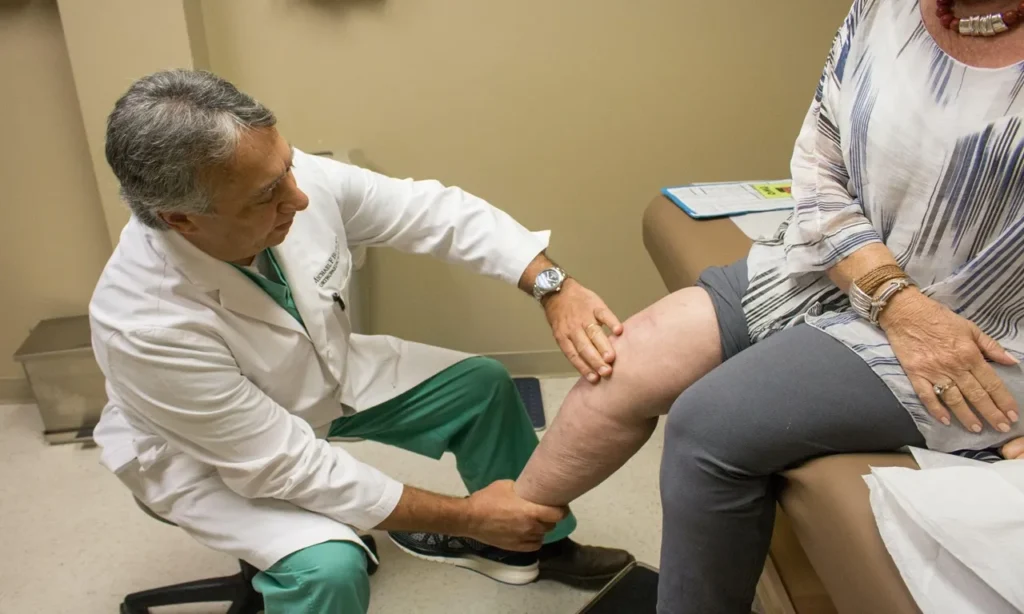
Heat and cold therapy are valuable components of arthritis treatment because they help reduce pain, stiffness, swelling, and muscle tension without invasive procedures. Heat therapy increases blood circulation, relaxes surrounding muscles, and improves flexibility before physical activity. Cold therapy reduces inflammation and numbs painful joints during arthritis flare-ups. Alternating between both methods may provide additional comfort. Consistent application supports daily pain management, enhances mobility, improves exercise performance, reduces discomfort, promotes relaxation, and contributes to better long-term joint health.
Biologic Medications Control Autoimmune Arthritis Disease Progression Effectively
Biologic medications have transformed modern arthritis treatment, particularly for autoimmune conditions such as rheumatoid arthritis and psoriatic arthritis. These advanced therapies target specific immune system pathways responsible for chronic inflammation rather than suppressing the entire immune response. Physicians carefully monitor patients through regular laboratory testing and clinical evaluations to ensure safety and effectiveness. Biologic therapies reduce inflammation, preserve joint function, improve mobility, slow disease progression, minimize permanent damage, and significantly improve long-term quality of life.
Stress Management Supports Better Arthritis Symptom Control Daily
Managing emotional stress is an important aspect of arthritis treatment because chronic stress may increase inflammation, worsen pain perception, and reduce overall well-being. Relaxation techniques such as meditation, breathing exercises, mindfulness, gentle yoga, and counseling help patients manage emotional challenges while supporting physical recovery. Healthy stress management improves sleep quality, strengthens mental resilience, enhances treatment adherence, reduces muscle tension, promotes emotional balance, and contributes to improved arthritis symptom management.
Quality Sleep Enhances Arthritis Recovery And Pain Management
Adequate sleep plays a critical role in successful arthritis treatment because the body repairs tissues and regulates inflammation during restful sleep. Poor sleep often increases joint pain, fatigue, stiffness, and emotional stress, making arthritis symptoms more difficult to manage. Establishing healthy sleep habits, maintaining a consistent bedtime, and treating sleep disorders support better recovery. Quality sleep improves immune function, enhances energy levels, reduces discomfort, supports tissue healing, strengthens treatment outcomes, and improves daily functioning.
Smoking Cessation Improves Arthritis Treatment Outcomes Significantly Today
Stopping smoking greatly enhances the effectiveness of arthritis treatment by reducing inflammation, improving circulation, and supporting healthier immune function. Smoking has been associated with increased disease severity, slower healing, reduced medication effectiveness, and greater risk of joint damage in several forms of arthritis. Healthcare professionals often recommend smoking cessation programs as part of comprehensive care. Quitting smoking improves overall health, supports medication response, reduces complications, enhances mobility, promotes tissue repair, and contributes to better long-term joint outcomes.
Lifestyle Strategies Supporting Arthritis Treatment Success
| Lifestyle Strategy | Primary Benefit |
|---|---|
| Heat Therapy | Relieves stiffness |
| Cold Therapy | Reduces inflammation |
| Biologic Medication | Controls autoimmune activity |
| Stress Management | Improves emotional well-being |
| Quality Sleep | Enhances recovery |
| Smoking Cessation | Reduces disease progression |
| Healthy Diet | Supports joint health |
| Regular Exercise | Improves flexibility |
| Weight Management | Reduces joint pressure |
| Medical Monitoring | Detects early complications |
Assistive Devices Improve Daily Mobility And Joint Protection
Assistive devices are valuable additions to arthritis treatment because they reduce pressure on painful joints while improving safety and independence. Canes, walkers, braces, orthopedic footwear, jar openers, ergonomic kitchen tools, and adaptive household equipment simplify daily tasks with less discomfort. Healthcare professionals recommend appropriate devices based on individual mobility needs. Proper assistive equipment improves confidence, reduces injury risk, supports independent living, enhances physical function, minimizes joint strain, and contributes to long-term arthritis management.
Aquatic Therapy Provides Gentle Joint Rehabilitation Benefits Safely
Aquatic therapy is an excellent component of arthritis treatment because water supports body weight while reducing stress on painful joints. Warm-water exercises improve flexibility, muscle strength, balance, cardiovascular fitness, and range of motion with minimal discomfort. The natural resistance of water strengthens muscles without excessive joint impact. Aquatic rehabilitation improves mobility, reduces stiffness, enhances endurance, supports healthy movement, promotes confidence during exercise, and contributes to improved long-term joint function.
Regular Stretching Exercises Maintain Healthy Joint Flexibility Daily
Daily stretching is an important part of arthritis treatment because it maintains joint flexibility, reduces stiffness, and prepares muscles for physical activity. Gentle stretching improves circulation while preserving range of motion in affected joints. Healthcare providers recommend individualized stretching routines based on arthritis type and severity. Regular flexibility exercises improve posture, reduce muscle tightness, enhance movement efficiency, support rehabilitation, minimize injury risk, and contribute to better daily mobility.
Patient Education Strengthens Long-Term Arthritis Self-Management Skills Effectively
Education empowers individuals receiving arthritis treatment by helping them understand disease progression, medication use, exercise recommendations, nutrition, symptom monitoring, and lifestyle modifications. Informed patients actively participate in treatment decisions while recognizing warning signs that require medical attention. Ongoing education improves confidence and encourages healthy daily habits. Better knowledge enhances treatment adherence, supports informed decision-making, reduces unnecessary complications, improves symptom control, strengthens communication with healthcare providers, and promotes long-term success.
Family Support Improves Arthritis Treatment Success And Motivation
Strong family support significantly enhances arthritis treatment by encouraging healthy lifestyle changes, medication adherence, emotional well-being, and consistent participation in rehabilitation programs. Family members often assist with transportation, meal preparation, household responsibilities, and emotional encouragement during difficult periods. Positive support systems improve motivation while reducing stress associated with chronic illness. Family involvement strengthens recovery, improves mental health, enhances daily independence, increases treatment consistency, promotes healthier routines, and contributes to improved quality of life.
Healthy Habits Supporting Arthritis Treatment
- Follow prescribed medications regularly
- Exercise consistently every week
- Maintain a healthy body weight
- Eat anti-inflammatory foods daily
- Stay physically active safely
- Sleep seven to eight hours
- Manage emotional stress effectively
- Avoid smoking completely
- Attend regular medical appointments
- Protect joints during activities
Advanced Imaging Techniques Improve Arthritis Diagnostic Accuracy Significantly
Advanced imaging technologies strengthen arthritis treatment by providing detailed views of joint structures, cartilage, bones, ligaments, tendons, and surrounding tissues. MRI, ultrasound, CT scans, and digital X-rays help physicians diagnose arthritis accurately while monitoring disease progression and treatment response. High-quality imaging supports personalized care planning and early intervention. Accurate diagnostics improve treatment decisions, preserve joint function, reduce complications, enhance patient safety, strengthen long-term outcomes, and improve overall quality of care.
Minimally Invasive Procedures Reduce Arthritis Symptoms Effectively Today
Certain patients benefit from minimally invasive procedures as part of comprehensive arthritis treatment when conservative therapies provide limited relief. Arthroscopic procedures allow physicians to repair damaged tissues, remove loose cartilage, or treat joint abnormalities through small incisions. These techniques generally involve shorter recovery times compared to traditional surgery. Minimally invasive treatments reduce pain, improve mobility, preserve healthy tissue, support rehabilitation, enhance physical function, minimize recovery periods, and improve patient satisfaction.

Multidisciplinary Healthcare Teams Optimize Arthritis Treatment Results Consistently
Successful arthritis treatment often involves collaboration among rheumatologists, orthopedic specialists, physical therapists, occupational therapists, nutritionists, pain management experts, psychologists, and primary care physicians. This multidisciplinary approach ensures every aspect of the patient’s health receives appropriate attention throughout treatment. Coordinated care improves communication among healthcare providers while creating personalized treatment strategies. Team-based management enhances recovery, strengthens disease control, supports comprehensive rehabilitation, improves patient outcomes, increases satisfaction, and promotes better long-term health.
Comprehensive Arthritis Treatment Improves Long-Term Quality Of Life
Comprehensive arthritis treatment combines early diagnosis, evidence-based medications, rehabilitation, healthy lifestyle modifications, nutritional support, patient education, regular monitoring, and specialized medical care to achieve the best possible outcomes. Personalized treatment plans address both physical symptoms and emotional well-being while helping patients maintain independence. Long-term management reduces pain, protects joint function, enhances mobility, improves confidence, supports daily activities, promotes healthier aging, and allows individuals to enjoy a more active and fulfilling life.
Joint Replacement Surgery Restores Severe Arthritis Mobility Effectively
Joint replacement surgery becomes an important arthritis treatment option when conservative therapies no longer provide adequate pain relief or functional improvement. Orthopedic surgeons replace damaged joints with durable artificial implants designed to restore movement and reduce chronic discomfort. Hip and knee replacements are among the most successful orthopedic procedures performed today. Careful patient selection, comprehensive rehabilitation, and ongoing medical follow-up maximize long-term outcomes. Successful surgery improves mobility, reduces persistent pain, restores independence, enhances physical activity, increases confidence, and significantly improves overall quality of life.
Pain Management Specialists Enhance Comprehensive Arthritis Care Successfully
Pain management specialists play a vital role in arthritis treatment by helping patients control chronic discomfort using evidence-based therapies. They develop individualized plans that may include medications, therapeutic injections, nerve blocks, physical rehabilitation, behavioral therapy, and complementary pain-control techniques. Their multidisciplinary approach addresses both physical and emotional aspects of chronic pain. Professional pain management improves daily comfort, enhances physical function, supports rehabilitation, reduces medication dependence when appropriate, strengthens overall treatment outcomes, and promotes a healthier lifestyle.
Regular Bone Health Monitoring Prevents Future Joint Complications
Maintaining strong bones is an essential part of arthritis treatment, especially for older adults and individuals receiving long-term medications that may affect bone density. Physicians evaluate calcium levels, vitamin D status, bone mineral density, and fracture risk while recommending preventive strategies. Healthy bones provide better joint support and reduce injury risks. Bone health monitoring improves skeletal strength, enhances mobility, supports long-term independence, minimizes fracture risk, protects joint stability, and contributes to better arthritis management.
Community Support Groups Improve Emotional Health And Recovery
Support groups provide valuable emotional encouragement throughout arthritis treatment by connecting patients with others facing similar challenges. Sharing experiences, coping strategies, treatment advice, and motivational support reduces feelings of isolation while improving mental well-being. Group participation often increases confidence and encourages healthier lifestyle habits. Emotional support strengthens resilience, improves treatment adherence, enhances communication skills, promotes optimism, reduces stress, increases motivation, and contributes to improved long-term quality of life.
Innovative Medical Research Advances Arthritis Treatment Every Year
Medical research continues improving arthritis treatment through new medications, regenerative therapies, precision medicine, biologic advancements, diagnostic technologies, and personalized healthcare approaches. Researchers constantly evaluate safer and more effective treatment options that reduce disease progression while improving patient outcomes. Ongoing clinical studies provide hope for better symptom control and long-term joint preservation. Scientific innovation strengthens treatment effectiveness, enhances patient safety, supports earlier intervention, improves rehabilitation outcomes, increases future therapeutic options, and advances arthritis care worldwide.
Advanced Arthritis Treatment Options Comparison
| Treatment Option | Primary Benefit |
|---|---|
| Joint Replacement Surgery | Restores joint function |
| Pain Management Programs | Reduces chronic pain |
| Bone Health Monitoring | Prevents fractures |
| Support Groups | Improves emotional wellness |
| Medical Research | Advances future therapies |
| Physical Rehabilitation | Restores mobility |
| Biologic Therapy | Controls inflammation |
| Lifestyle Management | Improves overall health |
| Nutritional Counseling | Supports joint recovery |
| Regular Monitoring | Detects disease progression |
Daily Self-Care Habits Improve Arthritis Treatment Effectiveness Consistently
Daily self-care is a cornerstone of successful arthritis treatment because healthy habits directly influence pain levels, mobility, and overall well-being. Patients benefit from following medication schedules, staying active, eating nutritious meals, maintaining proper hydration, protecting joints during activities, and practicing stress management techniques. Consistent self-care strengthens treatment outcomes while preventing unnecessary symptom flare-ups. Healthy routines improve physical function, support long-term recovery, enhance emotional health, increase independence, reduce complications, and promote a higher quality of life.
Medication Safety Prevents Unnecessary Arthritis Treatment Complications Successfully
Medication safety is essential during arthritis treatment because improper use of prescription or over-the-counter drugs may increase the risk of side effects or interactions. Patients should follow dosage instructions carefully, attend regular medical appointments, report unusual symptoms promptly, and avoid changing medications without professional guidance. Safe medication practices improve treatment effectiveness while protecting overall health. Responsible medication management enhances patient safety, reduces complications, supports disease control, strengthens long-term outcomes, increases treatment confidence, and improves healthcare quality.
Healthy Lifestyle Choices Support Lifelong Joint Function Naturally
Healthy lifestyle habits greatly improve arthritis treatment by supporting stronger joints, healthier muscles, better circulation, and reduced inflammation. Regular exercise, balanced nutrition, adequate sleep, smoking cessation, stress reduction, and weight management work together to enhance medical therapies. Long-term lifestyle improvements help patients remain active while slowing disease progression. Positive habits strengthen physical health, improve energy levels, support emotional well-being, reduce pain, enhance treatment effectiveness, and contribute to healthier aging.
Preventive Healthcare Reduces Future Arthritis Disease Progression Risks
Preventive healthcare strengthens arthritis treatment by identifying risk factors, monitoring disease activity, and encouraging early intervention before complications develop. Routine medical examinations, laboratory testing, imaging studies, vaccination updates, and healthy lifestyle counseling help maintain overall health while reducing disease-related risks. Preventive strategies support long-term joint preservation through proactive medical care. Early prevention improves treatment success, minimizes complications, enhances patient safety, supports informed healthcare decisions, increases independence, and contributes to improved quality of life.
Professional Medical Guidance Ensures Safe Arthritis Management Always
Professional medical supervision remains the foundation of successful arthritis treatment because healthcare providers monitor disease progression, evaluate treatment response, adjust medications, and recommend appropriate rehabilitation strategies. Regular consultations ensure patients receive evidence-based care tailored to their specific condition and health goals. Ongoing professional guidance strengthens confidence while reducing treatment uncertainty. Expert supervision improves symptom control, enhances patient education, supports safe medical decisions, increases long-term joint protection, promotes healthier living, and improves overall outcomes.

Healthy Practices Supporting Arthritis Treatment Success
- Follow prescribed treatment plans consistently
- Maintain regular physical activity safely
- Eat balanced anti-inflammatory meals daily
- Keep a healthy body weight
- Stay hydrated throughout every day
- Attend scheduled medical appointments regularly
- Practice stress reduction techniques daily
- Protect joints during physical activities
- Get sufficient restorative sleep nightly
- Avoid tobacco and excessive alcohol
Emerging Regenerative Therapies Show Promising Arthritis Treatment Potential
Emerging regenerative medicine is creating new opportunities in arthritis treatment through therapies that aim to repair damaged tissues and improve joint function. Researchers continue studying stem cell therapy, platelet-rich plasma, tissue engineering, and other innovative approaches to determine their long-term safety and effectiveness. While many treatments remain under investigation, early findings are encouraging for selected patients. Continued scientific research strengthens future therapeutic possibilities, improves personalized care, supports medical innovation, enhances treatment options, and advances orthopedic medicine.
Digital Health Technologies Improve Arthritis Patient Monitoring Continuously
Digital healthcare technologies are transforming arthritis treatment by allowing patients and healthcare providers to monitor symptoms, medication schedules, physical activity, pain levels, and rehabilitation progress through mobile applications and wearable devices. These technologies encourage better communication while supporting personalized treatment adjustments. Continuous digital monitoring improves treatment adherence, enhances patient engagement, strengthens disease management, increases healthcare efficiency, promotes informed clinical decisions, and contributes to better long-term outcomes.
Comprehensive Rehabilitation Maximizes Arthritis Recovery And Independence Successfully
Comprehensive rehabilitation remains one of the most effective components of arthritis treatment because it combines physical therapy, occupational therapy, exercise training, education, nutritional counseling, and emotional support into one coordinated program. This holistic approach addresses multiple aspects of arthritis while improving physical and psychological well-being. Structured rehabilitation enhances mobility, strengthens muscles, reduces pain, supports independent living, improves confidence, increases treatment success, and promotes lasting recovery.
Comprehensive Arthritis Treatment Supports Lifelong Joint Health Successfully
Effective arthritis treatment requires a long-term commitment to medical care, healthy lifestyle habits, rehabilitation, patient education, and regular monitoring. Combining evidence-based therapies with personalized treatment plans allows individuals to manage symptoms, preserve joint function, and maintain independence throughout life. Ongoing collaboration between patients and healthcare professionals ensures timely treatment adjustments as needs change. Comprehensive care reduces pain, slows disease progression, improves physical mobility, enhances emotional well-being, increases overall quality of life, and supports healthier aging for people living with arthritis.
Comprehensive Arthritis Treatment Outcomes Comparison
| Treatment Focus | Long-Term Outcome |
|---|---|
| Early Diagnosis | Better disease control |
| Personalized Care | Improved treatment response |
| Medication Management | Reduced inflammation |
| Physical Therapy | Greater mobility |
| Healthy Lifestyle | Long-term joint protection |
| Rehabilitation Programs | Increased independence |
| Pain Management | Better daily comfort |
| Medical Monitoring | Early complication detection |
| Regenerative Research | Future treatment advancements |
| Comprehensive Care | Improved quality of life |
Frequently Asked Questions
What is the most effective arthritis treatment?
- The best arthritis treatment depends on the type of arthritis, disease severity, and individual health. Most patients benefit from a combination of medication, exercise, physical therapy, and healthy lifestyle changes.
Can arthritis be completely cured?
- Most forms of arthritis cannot be completely cured, but proper treatment can effectively reduce pain, control inflammation, protect joints, and improve long-term mobility.
Which foods help reduce arthritis symptoms?
- Anti-inflammatory foods such as fatty fish, leafy greens, berries, nuts, olive oil, whole grains, and colorful vegetables may support better joint health.
Is exercise safe for people with arthritis?
- Yes. Low-impact activities like walking, swimming, cycling, stretching, and yoga improve flexibility, strengthen muscles, and reduce joint stiffness when performed correctly.
When should surgery be considered for arthritis?
- Joint replacement or other surgical procedures are usually considered when medications, therapy, and conservative treatments no longer provide adequate symptom relief.
How long does arthritis treatment take to work?
- Treatment response varies depending on the arthritis type and therapy used. Some medications work within weeks, while others may require several months for maximum benefit.
Can lifestyle changes improve arthritis symptoms naturally?
- Yes. Maintaining a healthy weight, exercising regularly, eating a balanced diet, sleeping well, and avoiding smoking can significantly improve arthritis symptoms.
Conclusion
Professional arthritis treatment combines early diagnosis, personalized medical care, evidence-based medications, physical rehabilitation, healthy nutrition, weight management, regular exercise, and continuous medical monitoring to achieve the best possible outcomes. Modern treatment strategies focus on reducing pain, controlling inflammation, protecting joint function, and improving long-term mobility while enhancing overall quality of life. Patients who actively participate in their treatment plans often experience greater independence, improved physical function, and fewer disease-related complications. Whether managing osteoarthritis, rheumatoid arthritis, or other joint disorders, working closely with experienced healthcare professionals ensures safe and effective care. A comprehensive, long-term approach remains the most reliable path toward healthier joints, greater mobility, reduced pain, and lifelong wellness.